Plan to strike out blowflies

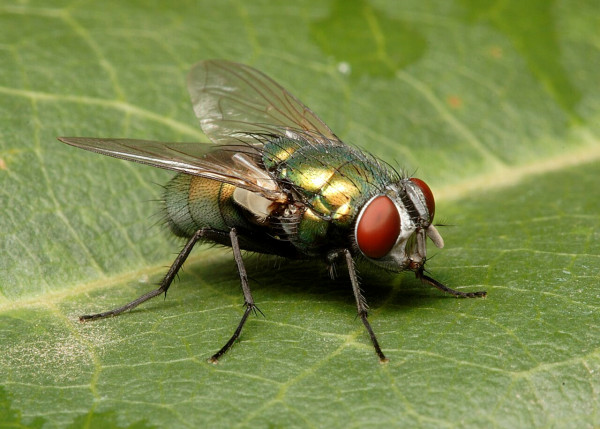
EVERY sheep producer in north-west Victoria will have their eyes on a project releasing millions of sterile male blowflies on Kangaroo Island to see whether it will suppress the blowfly reproduction rate and population – and by default the incidence of flystrike.

The release of masses of sterile male insects into the wild to mate with the females and thus reduce the next generation’s population is a method of biological insect control which has been successfully used worldwide for decades for numerous pest insects.

The Australian sheep blowfly lucilia cuprina is thought to be a good target for this sterile insect technique.

Sterilisation is induced through irradiation on the reproductive cells of the insects and not through genetic modification.

The release of sterile male blowflies on Kangaroo Island (4500km2 area, 600,000 sheep) in South Australia is under way and if blowfly suppression there is successful, it could indicate that suppression on the mainland might also be possible.

AWI program manager, animal wellbeing and industry resilience, Carolina Diaz, said that while there was no guarantee the project would be successful, the rewards could be significant of it was.

“It is hypothesised if producers could work together to strategically release sterile male blowflies within defined regions at targeted times, it might reduce fly pressure and thus reduce woolgrowers’ need for other fly management tools such as mulesing or chemicals,” Ms Diaz said.

“However, it is important the sterile male blowfly density is sufficient to dominate the already present wild, non-sterile male population, so there is less competition for the sterile blowflies to mate.

“Even if initially successful, there is always the risk that wild populations could be reintroduced through uncontrollable biosecurity gaps.

“The relative isolation of Kangaroo Island means it is a good testing ground for the technology, but it must remain biosecure from the mainland’s wild blowfly population, otherwise it will be at risk of reintroductions.”

In the current (second) phase, sterile blowflies are being released on the Dudley Peninsula (650km2) on the eastern end of Kangaroo Island which will be followed, if successful, by three years of large-scale releases across the rest of the island.

This will require the rearing of a massive 40 to 50 million blowflies per week.

Rearing and harvesting equipment, diet composition and climate control will need to be developed and optimised for production at this industrial scale.

Digital Editions


  • Almond boss resigns

    Almond boss resigns

    ALMOND giant Select Harvests is on the hunt for a new boss after shock news its chief executive is stepping down. Chief executive and managing…

More News

  • Dog’s Day Out arrives in the Mallee

    Dog’s Day Out arrives in the Mallee

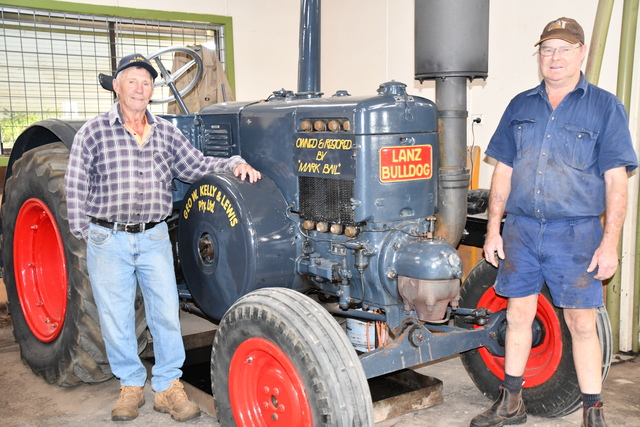
    THE iconic spluttering rumble of Lanz Bulldog Tractors is set to roar across Swan Hill and Woorinen next month, when the Mallee Steam, Oil and Machinery Club hosts Dog’s Day…

  • Perfect storm for grape industry

    Perfect storm for grape industry

    This year is certainly testing ones resolve, excessive heat, high water costs, record low grape prices, 170mm of rain at the wrong time and now the fuel issue. After eventually…

  • Holding on to their heritage

    Holding on to their heritage

    Purchase this photo from Pic Store: 531373 TRADITIONAL family farms, passed down from generation to generation, are becoming rarer and rarer these days. With the growth in corporate farming, greater…

  • Wet weather halts harvest

    Wet weather halts harvest

    It’s been an eventful start to harvest for the almond industry. Like all of agriculture in the region, Mother Nature and geo-political tensions have played a hand in providing extra…

  • Royal Commission push back

    Royal Commission push back

    A FIERY clash in Federal Parliament has reignited the bitter fight over the future of the Murray-Darling Basin, with the federal environment minister rejecting claims the government is “destroying family…

  • Call for royal commission into water welcomed by irrigators

    Call for royal commission into water welcomed by irrigators

    FARMING communities have backed a call for a federal Royal Commission into water, saying it is time to expose the “treachery, lies and shonky deals” behind the Murray-Darling Basin Plan.…

  • Nationals push to protect prime farmland with new federal Bill

    Nationals push to protect prime farmland with new federal Bill

    THE Nationals have moved to block taxpayer funding for energy and mining projects on Australia’s best farming land, unveiling a new Bill they say is vital to protect the nation’s…

  • Sally returns from Japanese adventure

    Sally returns from Japanese adventure

    I am pretty excited for this week , actually just tomorrow evening specifically when Sally returns from her first globe trotting adventure. Flying in from Osaka Japan, she’s been on…

  • CWA brings life skills program to the Mallee

    CWA brings life skills program to the Mallee

    Purchase this photo from Pic Store: 539453 A SURGE of community spirit swept through the Mallee when Country Women’s Association of Victoria president Jenny Nola attended the Murray Valley Conference…

  • Basin leaders meet as water plan review looms

    Basin leaders meet as water plan review looms

    NEARLY 200 leaders from across the Murray-Darling Basin gathered in Brisbane last week to debate the future of water management, with northern Victorian councils warning food production and regional communities…