Algae alert for stock water

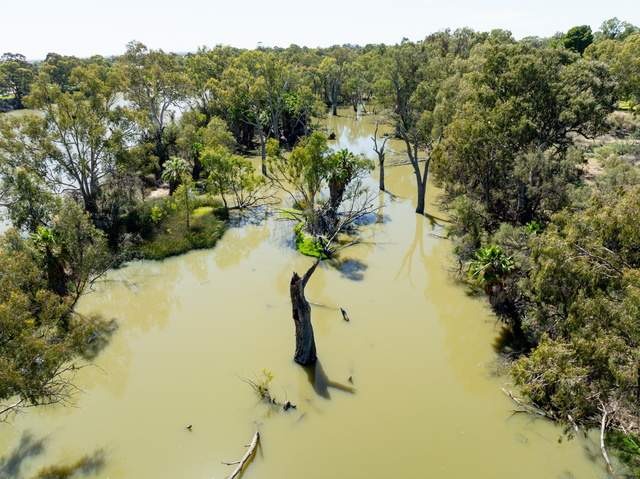
RECENT flooding, combined with warmer weather conditions, has produced favourable conditions for blue-green algae to thrive in farm water supplies and standing floodwaters.

Agriculture Victoria senior veterinary officer Dianne Phillips, says livestock owners need to remain alert as ingestion of blue-green algae could result in the poisoning of livestock.

“As there is no specific treatment for blue-green algae poisoning, producers should check standing bodies of water and farm water supplies daily for blooms, as this remains the most effective way of preventing stock deaths,” Dr Phillips says.

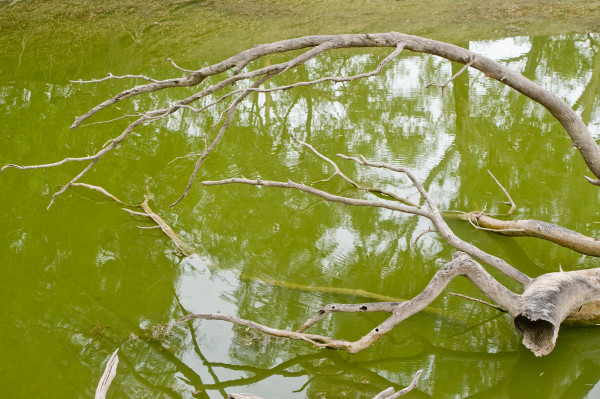
“Blue-green algal blooms typically appear as surface scum that looks like a suspension of green paint, often with an earthy smell.

“However, the colour may range from pale green to dark brown.”

Deaths can occur when stock drink toxins produced by the blue-green algae, often when it is concentrated on the downwind side of a water supply and has formed a dense, surface scum.

Animals that have consumed blue-green algal toxin may appear ill very rapidly, develop a staggering gait, collapse, begin to convulse and die – typically within 24 hours – depending on the toxicity of the bloom and the concentration of the toxin.

Those that don’t die immediately often suffer severe liver damage. This may lead to the development of jaundice (the yellows) or photosensitisation over the next few days.

Livestock that recover from these ailments often suffer from chronic ill-thrift.

If a suspicious bloom is noticed, the water supply should be isolated as quickly as possible, and a safe alternative water supply provided.

“Where possible, producers should identify an alternative water supply prior to their primary source of livestock drinking water being affected by a bloom,” Dr Phillips says.

“There may not be time to identify an alternative water source once the primary water supply is affected.

“We recommend laboratory testing of the water supply for the presence of blue-green algae and a post-mortem or examination of dead or sick animals by a veterinarian.”

Contaminated water should not be used to irrigate vegetables and fruit or come in contact with plants being grown for food, particularly fruit and vegetables that are mostly eaten raw, such as apples, grapes, tomatoes, strawberries, cabbages and other salad greens.

Dr Phillips says dogs are also prone to poisoning as they can swim in farm water supplies and should be kept away from suspect water sources.

Further information on blue-green contamination in livestock water supplies is available at go.vic.gov.au/3UR90aO.

The information note Managing Contaminated Stock Water is also available at agriculture.vic.gov.au/farm-management/emergency-management/floods/managing-contaminated-livestock-water, which steps through how to manage flood contaminated stock water supplies

Digital Editions


  • Almond boss resigns

    Almond boss resigns

    ALMOND giant Select Harvests is on the hunt for a new boss after shock news its chief executive is stepping down. Chief executive and managing…

More News

  • Dog’s Day Out arrives in the Mallee

    Dog’s Day Out arrives in the Mallee

    THE iconic spluttering rumble of Lanz Bulldog Tractors is set to roar across Swan Hill and Woorinen next month, when the Mallee Steam, Oil and Machinery Club hosts Dog’s Day…

  • Perfect storm for grape industry

    Perfect storm for grape industry

    This year is certainly testing ones resolve, excessive heat, high water costs, record low grape prices, 170mm of rain at the wrong time and now the fuel issue. After eventually…

  • Holding on to their heritage

    Holding on to their heritage

    Purchase this photo from Pic Store: 531373 TRADITIONAL family farms, passed down from generation to generation, are becoming rarer and rarer these days. With the growth in corporate farming, greater…

  • Wet weather halts harvest

    Wet weather halts harvest

    It’s been an eventful start to harvest for the almond industry. Like all of agriculture in the region, Mother Nature and geo-political tensions have played a hand in providing extra…

  • Royal Commission push back

    Royal Commission push back

    A FIERY clash in Federal Parliament has reignited the bitter fight over the future of the Murray-Darling Basin, with the federal environment minister rejecting claims the government is “destroying family…

  • Call for royal commission into water welcomed by irrigators

    Call for royal commission into water welcomed by irrigators

    FARMING communities have backed a call for a federal Royal Commission into water, saying it is time to expose the “treachery, lies and shonky deals” behind the Murray-Darling Basin Plan.…

  • Nationals push to protect prime farmland with new federal Bill

    Nationals push to protect prime farmland with new federal Bill

    THE Nationals have moved to block taxpayer funding for energy and mining projects on Australia’s best farming land, unveiling a new Bill they say is vital to protect the nation’s…

  • Sally returns from Japanese adventure

    Sally returns from Japanese adventure

    I am pretty excited for this week , actually just tomorrow evening specifically when Sally returns from her first globe trotting adventure. Flying in from Osaka Japan, she’s been on…

  • CWA brings life skills program to the Mallee

    CWA brings life skills program to the Mallee

    Purchase this photo from Pic Store: 539453 A SURGE of community spirit swept through the Mallee when Country Women’s Association of Victoria president Jenny Nola attended the Murray Valley Conference…

  • Basin leaders meet as water plan review looms

    Basin leaders meet as water plan review looms

    NEARLY 200 leaders from across the Murray-Darling Basin gathered in Brisbane last week to debate the future of water management, with northern Victorian councils warning food production and regional communities…