It’s summer in a fortnight – and it’s been hot in plenty of places already.
And for sheep breeders and woolgrowers across northwest Victoria that means one thing – flystrike.
Particularly if we end up with another wet spell through December and January.
But now nanotechnology and the humble tea tree are becoming the new face in the farmer’s fightback in the war to save as much as $300 million a year – and more depending on seasons.
Because, like so many other areas of agriculture, the chemical solutions are starting to fail as resistance grows.
Now a new multi-partner project is targeting nanotechnology to develop a tea tree oil biopesticide which will provide prolonged, safe and residue-free flystrike protection for sheep.
The project has been launched in response to the emergence of chemical resistance in sheep blowflies. This is compromising the effectiveness of current sheep flystrike chemical control options, plus there is potential for their access to be further restricted due to workplace health and safety, and residue and environmental concerns.
A solution could be to use eco-friendly biopesticides made from natural essential oils like tea tree oil. Unfortunately, when biopesticides are applied as a blowfly repellent using current delivery methods, the biopesticides have shorter protection periods and lack potency compared to available chemical options.
This means that, to date, biopesticides have not been a practical option for woolgrowers.
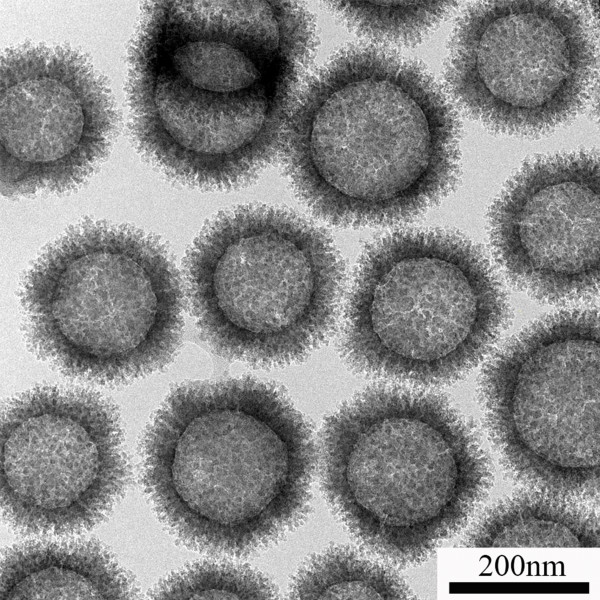
However, nanotechnology might provide a solution. Nanotechnology is essentially the study of very small things – nanoparticles less than a thousandth of a millimetre in size. Building on previous AWI investment in nanotechnology for flystrike control, researchers are developing a promising new method of delivering biopesticides that provide extended protection and are softer on the environment.
“Led by the Queensland government’s Department of Primary Industries, this project will design and test natural and environmentally friendly tea tree oil nano-formulations to give prolonged periods of protection against flystrike, with minimal residues and off-target effects,” AWI animal wellbeing and industry resilience program manager Carolina Diaz said.
“Tea tree oil, an essential oil extracted from the Australian tea tree plant, is already being used in many external parasitic treatments such as human lice treatments, domestic pet tick control and fly repellent.
“Previous AWI investment into nanotechnology for flystrike control, carried out by the University of Queensland, has already demonstrated the ability of silica nanoparticles to provide extended periods of protection in laboratory tests.
“This project aims to design and develop a nanoformulation that can be loaded with Australian tea tree oil to extend protection against flystrike when applied to sheep.”
Research began this year and is planned to run for the next two years. However, the project has a clear stop/go point next year linked to whether the researchers can demonstrate the effectiveness of the formulation against sheep blowfly in the lab and hence whether the project should progress to animal trials.