FARMERS, international visitors, people sending packages through the mail and importers will all foot the bill for higher costs in Australia’s frontline biosecurity controls.
Agricultural biosecurity got handed $1 billion over four years in this week’s Federal Budget – but the devil is in the detail.
Some of the cash injection is to be recouped by a new “sustainable” funding model which will see all those listed above – along with taxpayers – required to also kick the can to protect Australia’s borders.
Agriculture, fisheries and forestry producers will help fund the new model with what Federal Agriculture Minister Murray Watt described a “modest” new biosecurity protection levy to create “a new system that will be more predictable, equitable, transparent and accountable”.
The biosecurity protection levy is expected to reach $79.3m in 2026-27, topped up by long-haul flights and cruise ships through an increase to the current $60 Passenger Movement Charge.
Mr Watt said cost-recovery efforts will also be extended to include parcels and other mail packages, while importers will also contribute through clearance costs with increased fees and charges raking in as much as $350 million next year.
National Farmers’ Federation vice-president David Jochinke, from western Victoria, said it was “only fair” more people share the bill for biosecurity as all Australians are beneficiaries of the safeguard controls.
He said it was also just as fair those who potentially create many of the risks – those bringing things in the country – should pay their way.
“Farmers already contribute heavily by funding traceability systems, biosecurity organisations and meeting the cost of outbreaks,” Mr Jochinke said.
“They then shouldn’t have to pay more for something from which everyone benefits. It’s time that risk creators did the same.”
But if agriculture was feeling better about its biosecurity, it may have found the latest news on Pacific Australia Labour Mobility, or PALM, workers a bitter pill to swallow.
The Budget included $370.8 million over four years to “expand and improve” PALM.
However, Member for Mildura Jade Benham said the recently announced review of the visa migration system meant any significant improvements to the current system were going to be a long way off.
Ms Benham said the seasonal worker market had been further crippled by next month’s UK-Australia free trade agreement, “which means we will lose access to UK backpackers as a labour pool”.
She said the “paltry” PALM funding in the Budget was “too little, too late”.
“Seasonal work has been a priority since COVID and no program, state or federal, has seriously addressed it yet,” Ms Benham said.
“And at the speed the whole debate is moving, Sunraysia’s producers have been condemned to face another challenging season for workers.”
Other notable sections of the Budget included $290 million in cash flow support for the instant asset write-off and just $250 million for road projects in rural, regional and fringe urban areas.
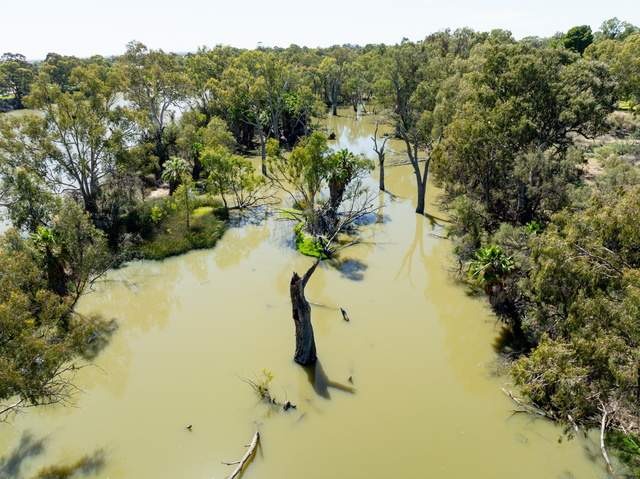
The Murray-Darling Basin Plan will undergo a statutory review for $104 million, and more than $236 million will be spent over the next decade to address critical, longstanding risks in Australia’s flood gauge network.
Measures aimed at restoring “transparency, integrity and confidence to water markets”, including a single digital platform for national water data management, will receive $33 million.