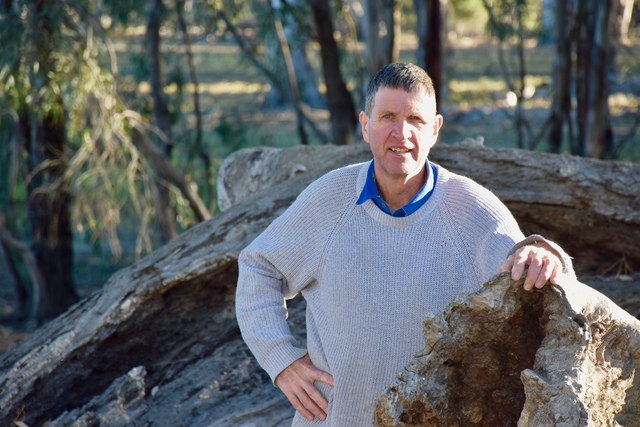
A BROADACRE farmer from the Wimmera is set to take the reins of the state’s peak farming body, promising a fierce fight for rural communities under pressure.
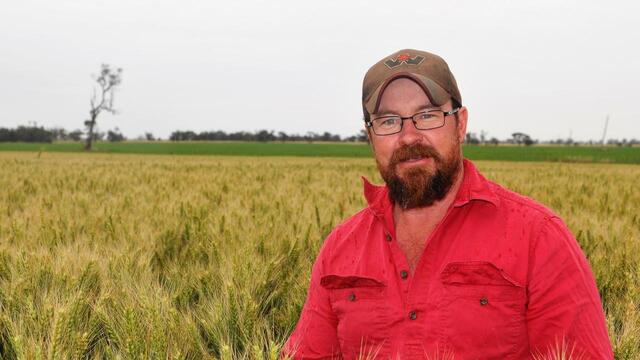
Minyip cropping farmer Ryan Milgate has been named incoming president of the Victorian Farmers Federation after nominations closed, with no vote required.
Mr Milgate and Ballan livestock farmer Scott Young, who steps in as vice-president, were the only nominees for the top roles and will be declared elected unopposed.
The pair will officially begin their tenure after the VFF conference in Ballarat on 2 June.
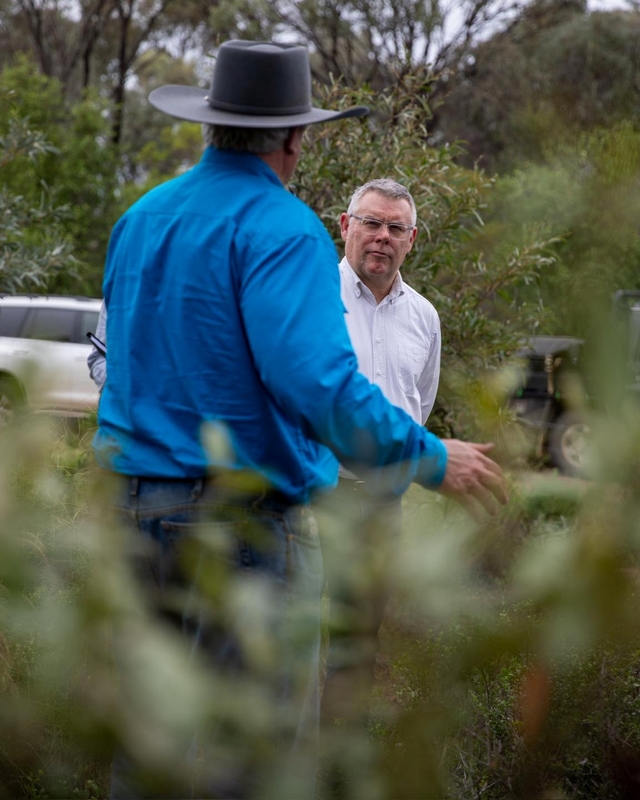
Speaking from his sprayer in the paddock, Mr Milgate said the phones had already been “running pretty hot” as he connected with members ahead of taking office.
“It’s going to be a big job,” he told North West Farmer.
Mr Milgate said success in his first 12 months would hinge on rebuilding and maintaining strong engagement with both farmers and government at a time of mounting pressure on the sector.
“We’ve got some really big things coming our way,” he said.
“There’s a state election in November, and we’ve got issues with transmission lines, wind turbines, mining and the lack of investment in rural Victoria.
“To be successful, we’ve got to be at the table and advocating for farmers. You’ve got to have those relationships where you can have the hard conversations and still keep the door open.”
He credited outgoing leadership, including Brett Hosking and the VFF team, with restoring the organisation’s influence.
“Brett’s done a sensational job rebuilding that. We are back at the table, and we need to stay there,” he said.
“It might look from the outside like we’re not having input, but the reality is things would be much worse if we weren’t there having a red hot go.”
Mr Milgate said his leadership style would focus on empowering members rather than dictating policy.
“My role is not to be the boss,” he said.
“It’s about making sure farmers have the structures to have input, building strong policy, and then advocating for it.
“I’m not a battering ram. It’s about getting the best outcomes from the ground up.”
Cost pressures remain a major concern, particularly fuel and supply chain disruptions, but Mr Milgate admitted there was no easy fix.
“I don’t think I can walk in and cut fuel by a dollar a litre. It’s just not realistic,” he said.
“But what we can do is fight for supply. If I can’t get diesel, I can’t harvest a crop.
“We need sovereign capability. Whether it’s fuel, fertiliser or chemicals, we’re too exposed globally.”
He warned farmers were increasingly vulnerable to international shocks.
“Covid, war in Ukraine, global instability. We’re so exposed here in Australia,” Mr Milgate said.
“We can’t flick a switch, but we can plan for the future and make sure we’ve got investment and manufacturing onshore.”
Mr Milgate said farm viability remained a moving target, heavily dependent on commodity, weather and market forces.
“A frost in November can turn a great year into a disaster overnight,” he said.
He also raised concerns about supermarket power over sectors like dairy and horticulture, and called for stronger safeguards.
Despite the challenges, he said most farmers did not want heavy government intervention.
“They just want the guide rails to do what they do best,” Mr Milgate said.
He also urged city Australians to better understand farmers.
“We’re just real people doing our best,” he said.
“Farmers are the ultimate environmentalists. The better we look after the land, the more profitable we are.”
Mr Milgate acknowledged an ongoing divide between city and country but said efforts to bridge it must continue.
“There’s always going to be extremes, but it’s the sensible centre we need to connect with,” he said.
On renewable energy, he said projects must be done properly, warning poor consultation had damaged trust.
“The lack of transparency and genuine engagement has been a disaster,” Mr Milgate said.
“Farmland has been treated like vacant land. That has to change.”
He was also critical of compulsory acquisition powers and broader government engagement with rural communities.
“My biggest frustration is the lack of genuine engagement,” Mr Milgate said.
“It feels like decisions are made without understanding the impact on the people living there.”
Mr Milgate said the Murray-Darling Basin Plan review was another major concern.
“Everything I’m hearing is that it’s having severe impacts on regional communities,” he said.
“We need to go back to basics and get it right.”
Despite the challenges ahead, he said he remained committed to farming and regional Victoria.
“I love the challenge,” Mr Milgate said.
“Some days you get a curveball, but you knock off and think, we got through it.”
He called on farmers to get involved in shaping the VFF’s future.
“It’s easy to sit on the sidelines,” he said.
“But we need members involved to drive better outcomes for everyone.”
Mr Milgate said he had no political ambitions.
“You’ve got people like Brett who are open about wanting to go into politics, and some are quite critical of that. Yet across the country, people involved in advocacy say it’s a great thing when farmers step into those roles,” he said.
“We often say farmers don’t have a voice in Parliament, so who better to represent us than someone who has come up through the ranks, who understands the structures, and who still lives and breathes it on the farm? They’re the ultimate advocates.
“Having said that, I still love farming too much. It’s not something I’m interested in at all.
“To be honest, I didn’t even really want to step outside the grains sector. I wanted to stay in that lane, but opportunities come along and you take them.
“But politics doesn’t interest me. I think too often it loses sight of what’s right and what’s actually needed. It becomes about maintaining popularity, and that doesn’t sit well with me.”