AS the dust settled on the 2024 harvest, Mallee Sustainable Farming reported that producers across the region were diving into their yield data, evaluating how drought and frosty conditions impacted their crops.
With that valuable information in hand, it was the perfect time to assess the nutrient removal caused by grain or hay production, and make informed decisions for the upcoming fertiliser program.
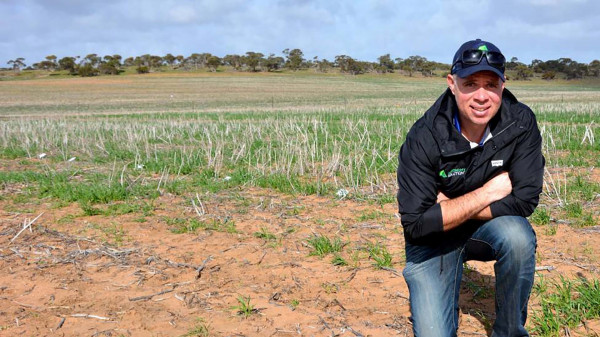
Agronomy Solutions research agronomist Sean Mason, who has been working with MSF at the cutting edge of nutrient management, told North West Farmer when crops are cut for hay instead of harvested for grain, the removal of nutrients from the paddock can differ.
Mr Mason said understanding these differences was crucial for planning fertiliser budgets for the upcoming season.
Here’s how major nutrients compare – but as they are based off averages they will vary across paddocks depending on soil type nutrient stats and 2024 applications:
• Nitrogen (N): Nutrient removal for hay is roughly equivalent to grain, with about 20kg of nitrogen removed per tonne.
• Phosphorus (P): Hay removal is slightly lower, with about 1.5 to 2.5kg of phosphorus per tonne (can be lower). Phosphorus is mobile within the plant, concentrating in the grain during harvest, which potentially reduces its removal in hay on a total plant weight basis.
• Potassium (K): This is where the major difference lies. With hay, the entire plant is removed, leading to about 20 to 30kg of potassium per tonne being taken from the paddock, significantly more than grain, which typically removes about 6 to 7kg per tonne.
• Sulphur (S): Like nitrogen, sulphur removal is comparable between hay and grain. Farmers can expect 1.5 to 2kg of sulphur per tonne of hay.
Mr Mason said these figures underlined the importance of considering the whole plant removal when budgeting for inputs this season.
He said while hay cutting didn’t remove dramatically higher amounts of nitrogen or sulphur, the higher potassium removal is noteworthy.
“Potassium may not always be top of mind for growers in the Mallee, but it is a ‘sleeper issue’ worth monitoring,” Mr Mason said.
“Critical potassium levels vary depending on soil type and texture – in sandier soils, potassium levels at or below 50 to 60 milligrams per kilogram are often considered critical while in heavier textured loams, higher levels – as much as 100 to 150 milligrams per kilogram – may be necessary for optimal crop performance.
“Soil testing remains the best way to gauge potassium levels so keep in mind potassium movement is influenced by soil characteristics.
“In heavier soils with high cation exchange capacity (CEC), potassium is less mobile and remains closer to the surface.
“In sandy soils with lower CEC, potassium can leach more easily through the profile, especially after significant rainfall. This would suggest, similar to nitrogen that sampling beyond 0 to 10cm would be worthwhile to gauge K levels.
“Farmers cutting hay on a regular basis should pay close attention to potassium levels, especially in high-production zones where historical nutrient removal may already have depleted subsoil reserves.”
Given the nutrient removal figures were on the low side for hay and grain in 2024, Mr Mason said it was likely fewer inputs would be required in optimising input efficiency this season, and he issued the following advice:
• Soil testing: Start the season with comprehensive soil tests to understand nutrient availability, particularly nitrogen, phosphorous and sulphur levels. Following poor crop yields, savings are likely to be achieved but it’s important to know where.
• Variable rate technology (VRT): Even if you haven’t set up zoning for fertiliser inputs in the past, consider zoning paddocks based on nutrient needs this coming season. This approach allows targeted fertiliser application, reducing costs while ensuring nutrients are applied where they’re most needed.
• Monitor seasonal conditions: Some nutrients can move down the profile with heavy summer rainfall particularly in lighter soils. Sampling nutrients down the soil profile can help determine where nutrients are concentrated.
“By understanding the unique nutrient dynamics of grain and hay removal, farmers can make informed decisions to balance soil health and maximise productivity,” Mr Mason said.
“Nutrient budgeting isn’t just about replacing what’s removed; it’s about planning for a system which supports sustainable and efficient production in the long term.”