Fill the summer feed gap

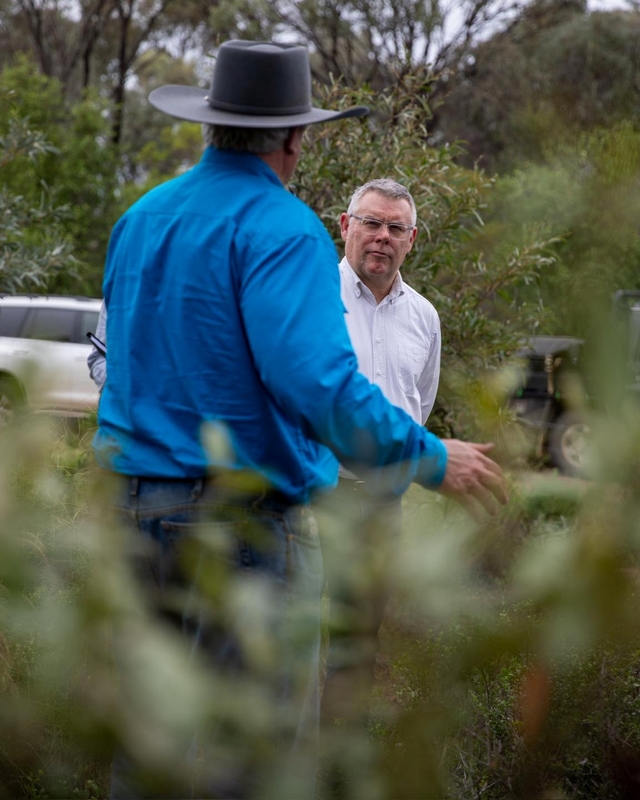
ELDERS Ouyen livestock manager Kieran O’Shannessy says modern hi-tech farm machinery has changed the landscape for traditional stubbles-grazing programs through the Mallee.

Mr O’Shannessy said the machinery did such a good job, it didn’t leave anywhere near the feed which farmers could count on as part of their summer feed bank not that many years ago.

However, he said the feed situation in his patch was “not too bad” and he hoped that would be improved if the promised rain managed to fall this week.

“We have only had about 240mm for the year – and that’s about 90mm short of an average season around here,” Mr O’Shannessy said earlier in the week.

“But cropping yields have still been pretty good because we might have been short on rain, but it just kept falling at the right time.”

While grazing stubbles did provide a valuable tool to fill the summer feed gap, the big question was how do we know what value is in a stubble and when do we need to supplement?

The majority of feed value in stubbles comes from two main areas: grain residues and summer growth (depending on the plant).

Standing straw and trash left behind provides very little feed value, due to the low digestibility and energy content.

Stubbles are also notorious for being imbalanced in their nutrient profile, so matching your stubble with the appropriate supplement (grain, pellet, loose lick or block) is a great way to improve the performance of your stock on the same amount of feed while avoiding major health challenges such as acidosis, urinary calculi or a calcium deficiency.

Mr O’Shannessy said decisions on when to pull stock out of stubbles would depend on the class of stock and what level of performance was required.

He said the following guidelines provided some rough “rules of thumb” for knowing when to start supplementing or when to remove stock:

• Lambs generally need grain residues of more than 100kg per hectare to continue growing.

• Dry stock will lose weight if there is less than 40kg per hectare of grain or green material.

• To minimise soil erosion, do not graze once stubble material is 1500kg dry matter per hectare or below (about 50 to 70 per cent ground cover).

“Finally, do not forget to ensure animals are recently vaccinated before going onto stubbles, to avoid pulpy kidney losses, and also consider testing and drench treatment for worms if necessary,” Mr O’Shannessy said.

“Each year, region or paddock/mob will potentially need a different plan.

“We have had people buying in young lambs and sheep with a bit of weight to carry through to the autumn, but restocker demand has been down about 50 per cent on this time last year.”

Sheep sales at Elders Ouyen won’t resume until February 1 next year.

Digital Editions


  • Almond boss resigns

    Almond boss resigns

    ALMOND giant Select Harvests is on the hunt for a new boss after shock news its chief executive is stepping down. Chief executive and managing…

More News

  • Dog’s Day Out arrives in the Mallee

    Dog’s Day Out arrives in the Mallee

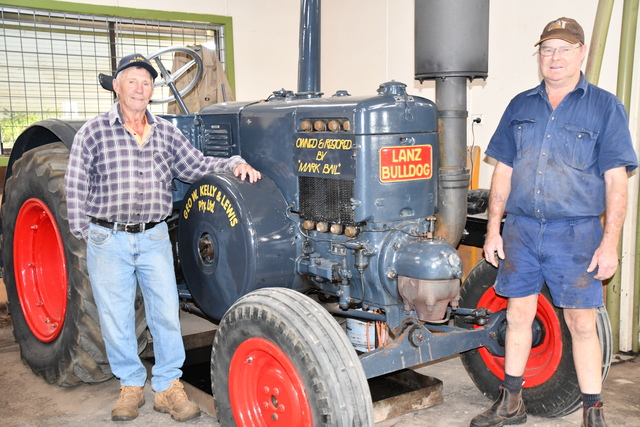
    THE iconic spluttering rumble of Lanz Bulldog Tractors is set to roar across Swan Hill and Woorinen next month, when the Mallee Steam, Oil and Machinery Club hosts Dog’s Day…

  • Perfect storm for grape industry

    Perfect storm for grape industry

    This year is certainly testing ones resolve, excessive heat, high water costs, record low grape prices, 170mm of rain at the wrong time and now the fuel issue. After eventually…

  • Holding on to their heritage

    Holding on to their heritage

    Purchase this photo from Pic Store: 531373 TRADITIONAL family farms, passed down from generation to generation, are becoming rarer and rarer these days. With the growth in corporate farming, greater…

  • Wet weather halts harvest

    Wet weather halts harvest

    It’s been an eventful start to harvest for the almond industry. Like all of agriculture in the region, Mother Nature and geo-political tensions have played a hand in providing extra…

  • Royal Commission push back

    Royal Commission push back

    A FIERY clash in Federal Parliament has reignited the bitter fight over the future of the Murray-Darling Basin, with the federal environment minister rejecting claims the government is “destroying family…

  • Call for royal commission into water welcomed by irrigators

    Call for royal commission into water welcomed by irrigators

    FARMING communities have backed a call for a federal Royal Commission into water, saying it is time to expose the “treachery, lies and shonky deals” behind the Murray-Darling Basin Plan.…

  • Nationals push to protect prime farmland with new federal Bill

    Nationals push to protect prime farmland with new federal Bill

    THE Nationals have moved to block taxpayer funding for energy and mining projects on Australia’s best farming land, unveiling a new Bill they say is vital to protect the nation’s…

  • Sally returns from Japanese adventure

    Sally returns from Japanese adventure

    I am pretty excited for this week , actually just tomorrow evening specifically when Sally returns from her first globe trotting adventure. Flying in from Osaka Japan, she’s been on…

  • CWA brings life skills program to the Mallee

    CWA brings life skills program to the Mallee

    Purchase this photo from Pic Store: 539453 A SURGE of community spirit swept through the Mallee when Country Women’s Association of Victoria president Jenny Nola attended the Murray Valley Conference…

  • Basin leaders meet as water plan review looms

    Basin leaders meet as water plan review looms

    NEARLY 200 leaders from across the Murray-Darling Basin gathered in Brisbane last week to debate the future of water management, with northern Victorian councils warning food production and regional communities…