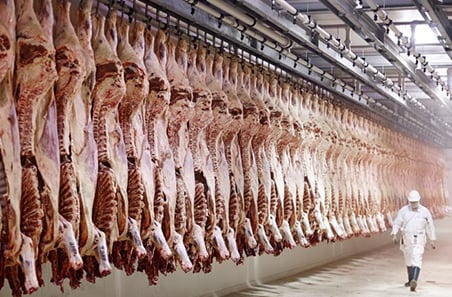
Cattle slaughter rates continue to rise

In late March, MLA’s market information team forecast cattle slaughter rates in April would decline sharply (with April 2023 the shortest working month since 2017).

The team also predicted slaughter rates would rebound strongly in May.

The May performance data month-on-month and year-on-year indicates these expectations for a strong improvement in kill numbers were realised.

May versus April 2023: Weekly average kill numbers for May rose by 20 per cent or 17,500 head compared to April. Kill numbers for May were higher by 20 per cent or 70,000 head month-on-month compared to April.

May 2023 vs May 2022: Weekly average kill numbers for May 2023 were higher by 30 per cent or 24,000 head year-on-year. Total kill numbers for May 2023 were higher by 30 per cent or 97,000 head year-on-year.

Evidently, significant increases in throughput occurred during May as processors shook off shortened working weeks and lifted numbers.

Larger numbers of finished stock provided processors with ample choice, although the improvements in May kill numbers were also directly tied to the lack of rain across many parts of the eastern seaboard at the time.

In year-to-date terms, 2023 volumes are the highest they’ve been since 2020, with this year’s figures 26 per cent or 467,000 head higher than 2022 totals.

Compared to 2021 when Australia processed 6 million head of cattle, year-to-date slaughter rates are higher by 11 per cent or 231,000 head.

Importantly, as the calf drops from 2021 and early 2022 reach finished weights, the increasing supply of slaughter-weight stock has been met with continually improving processor capacity.

Evidence of this has been seen in recent weeks, with weekly slaughter numbers reaching their highest levels in more than three years.

Based on 2023 performance so far, MLA recently released its cattle industry projections, which forecast an 18 per cent or 1.1 million head increase in slaughter numbers year-on-year.

Current weekly performance suggests these volumes are attainable.

Despite the outlook for higher slaughter, 2023 figures (if realised) would remain 9 per cent or 689,000 head below the 10-year average.

If processors continue to operate at or around current kill rates and labour issues ease with improved access to international migrants, MLA’s market information team forecasts high volumes of slaughter-weight animals will come to market as the year progresses.

Digital Editions


  • Almond boss resigns

    Almond boss resigns

    ALMOND giant Select Harvests is on the hunt for a new boss after shock news its chief executive is stepping down. Chief executive and managing…

More News

  • Dog’s Day Out arrives in the Mallee

    Dog’s Day Out arrives in the Mallee

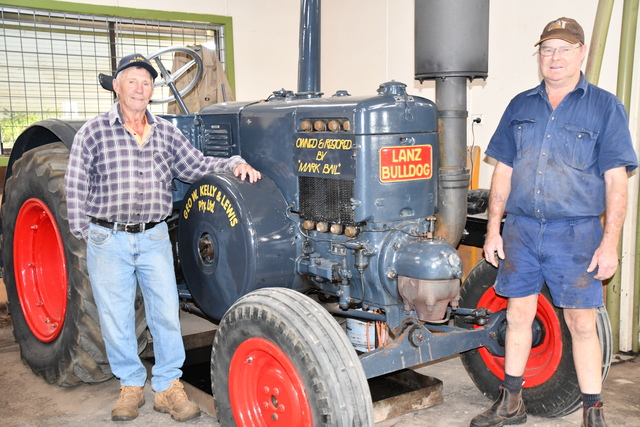
    THE iconic spluttering rumble of Lanz Bulldog Tractors is set to roar across Swan Hill and Woorinen next month, when the Mallee Steam, Oil and Machinery Club hosts Dog’s Day…

  • Perfect storm for grape industry

    Perfect storm for grape industry

    This year is certainly testing ones resolve, excessive heat, high water costs, record low grape prices, 170mm of rain at the wrong time and now the fuel issue. After eventually…

  • Holding on to their heritage

    Holding on to their heritage

    Purchase this photo from Pic Store: 531373 TRADITIONAL family farms, passed down from generation to generation, are becoming rarer and rarer these days. With the growth in corporate farming, greater…

  • Wet weather halts harvest

    Wet weather halts harvest

    It’s been an eventful start to harvest for the almond industry. Like all of agriculture in the region, Mother Nature and geo-political tensions have played a hand in providing extra…

  • Royal Commission push back

    Royal Commission push back

    A FIERY clash in Federal Parliament has reignited the bitter fight over the future of the Murray-Darling Basin, with the federal environment minister rejecting claims the government is “destroying family…

  • Call for royal commission into water welcomed by irrigators

    Call for royal commission into water welcomed by irrigators

    FARMING communities have backed a call for a federal Royal Commission into water, saying it is time to expose the “treachery, lies and shonky deals” behind the Murray-Darling Basin Plan.…

  • Nationals push to protect prime farmland with new federal Bill

    Nationals push to protect prime farmland with new federal Bill

    THE Nationals have moved to block taxpayer funding for energy and mining projects on Australia’s best farming land, unveiling a new Bill they say is vital to protect the nation’s…

  • Sally returns from Japanese adventure

    Sally returns from Japanese adventure

    I am pretty excited for this week , actually just tomorrow evening specifically when Sally returns from her first globe trotting adventure. Flying in from Osaka Japan, she’s been on…

  • CWA brings life skills program to the Mallee

    CWA brings life skills program to the Mallee

    Purchase this photo from Pic Store: 539453 A SURGE of community spirit swept through the Mallee when Country Women’s Association of Victoria president Jenny Nola attended the Murray Valley Conference…

  • Basin leaders meet as water plan review looms

    Basin leaders meet as water plan review looms

    NEARLY 200 leaders from across the Murray-Darling Basin gathered in Brisbane last week to debate the future of water management, with northern Victorian councils warning food production and regional communities…