CONCERNS chaff lines generated by harvest weed seed control programs might increase the risk of crop damage from pests have been allayed through new research.
Researchers investigated the diversity of invertebrate populations in southern region cropping systems and found no difference between chaff and no-chaff treatments.
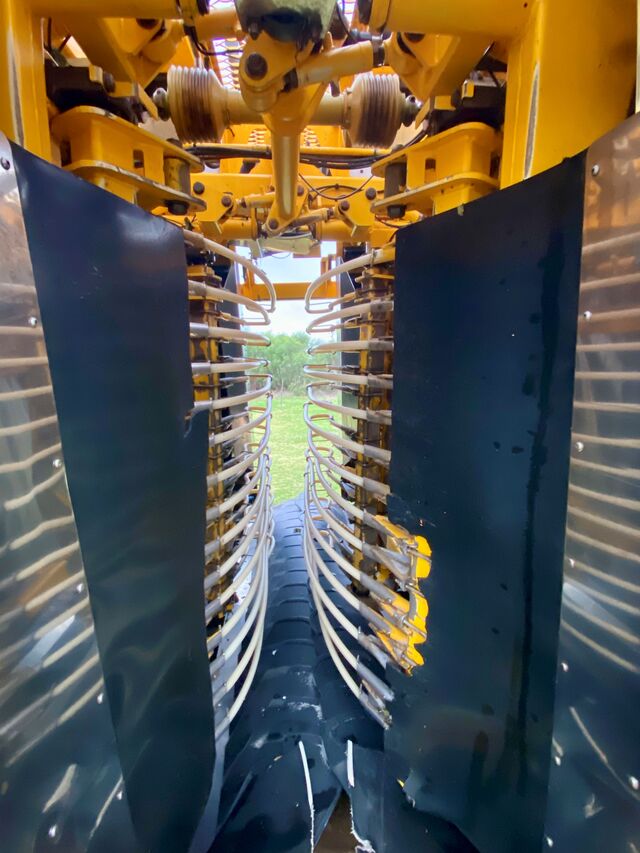
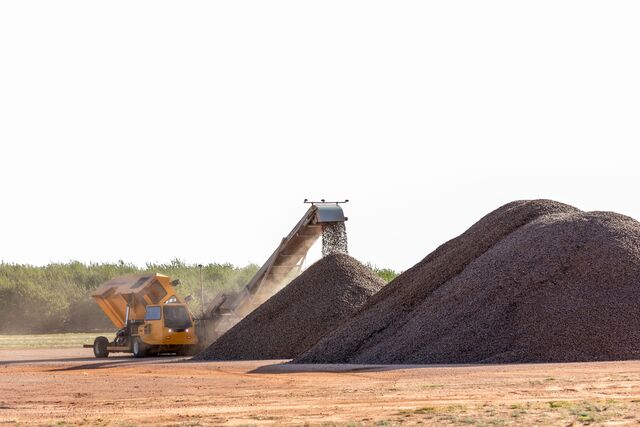
Growers are increasingly adopting harvest weed seed control systems, gathering chaff residues in lines to contain weed seeds, a practice which can reduce the weed seedbank with repeated use over several seasons.
As a chemical-free option, it also helps to extend the effective life of available herbicides by preventing herbicide resistance.
However, some growers have reported increased invertebrate populations in these chaff residues, prompting GRDC-invested research to analyse and assess the risk of pest damage to subsequent crops.
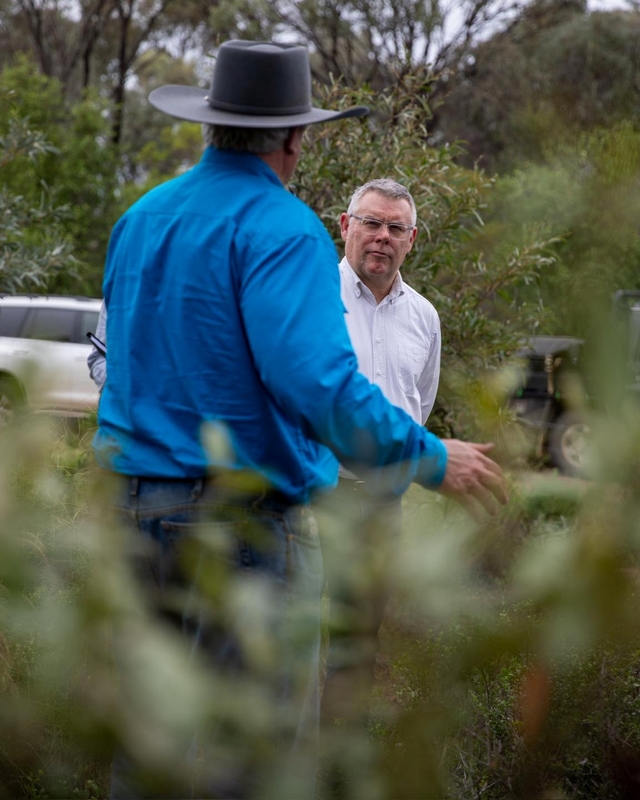
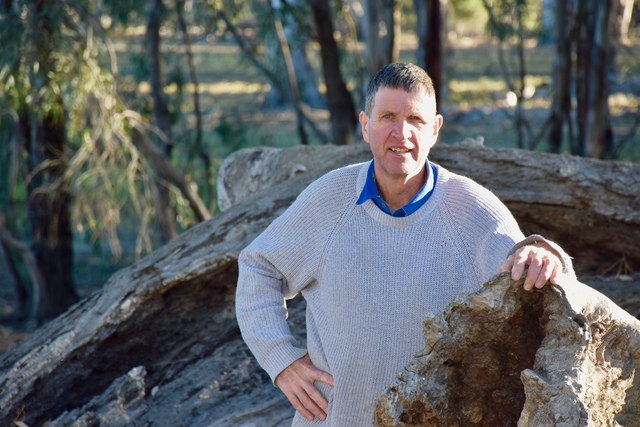
A multi-agency taskforce, including Birchip Cropping Group’s Kelly Angel, SARDI’s Kate Muirhead, Adelaide University’s Kym Perry and Nigel Myers from Nutrien.
In 2022 and 2023, the project established 14 experimental sites in paddocks that had either chaff lines or chaff tramlines.
Sites in Victoria and SA represented the different rainfall zones across the region.
Chaff lines concentrate weed seed-bearing chaff material into a single narrow row between stubble rows directly behind the harvester.
Chaff tramlines concentrate chaff material on dedicated wheel tracks in controlled farming systems.
Each of the test sites had four plots – two with chaff residues intact and two with the chaff removed. Invertebrates were collected using pitfall traps, funnel samples and soil samples. Visual assessments, PCR tests and DNA analysis were used to identify species.
Analysis of more than 2000 samples identified 405 invertebrate species. Of these, 85 were crop pest species (21 per cent), 170 were beneficial species (42 per cent) and 150 were benign (37 per cent).
The majority of species (79 per cent) were beneficial or benign, contributing to natural pest control and improved soil structure, function and recycling.
Dr Muirhead said this represented a rich community of pests and natural enemies associated with chaff in grain paddocks, although the species composition and abundance varied greatly between sites.
“The number of pest and beneficial species did not differ between chaff and no-chaff treatments,” she said.
“Overall, invertebrate pest pressure on crops was low, and there was no effect of chaff treatment on plant damage.
“We only saw plant pest damage at two sites in Victoria. This level of pest pressure is within the realm of what we might expect in a typical year, where plant damage associated with crop residues is low in the majority of paddocks.”
The major pest groups collected were lucerne flea, mites, millipedes, slaters, beetles and snails (Figure 1).
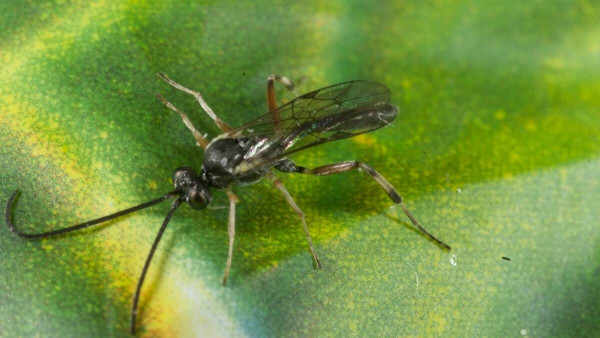
The main beneficial groups found were spiders (72 species), parasitoid wasps (50 species) and beetles (23 species), with predatory mites and centipedes as the most abundant species (Figure 2).
“There was no evidence from this study that grain growers are at greater risk of pest damage if they choose to adopt weed seed control systems,” Dr Muirhead said.
“So, the findings of this study should provide greater confidence to adopt weed seed management where necessary to limit the weed seedbank.”