IT could be several years before a carp herpes virus is released into waterways after a report found more research is required.
The long-awaited National Carp Control Plan (NCCP) outlined how biological control methods could be used to reduce carp numbers.
According to the report, released earlier this month, a carp herpes virus could reduce and suppress populations by 40 to 60 per cent and by up to 80 per cent in less resilient populations.
It recommended further research into how the virus could affect other fish species, including native species, and undertaking more real-life modelling on Australian variants of carp.
The report found research had been limited to laboratory conditions under Australian biosecurity laws because the virus is exotic.
Concerns remained about impacts on water quality from decomposing fish, how long the virus would remain effective at killing carp and whether it could infect native fish populations.
An Agriculture Department spokesperson said as an established pest species, the eradication of carp was unlikely.
“The purpose of the NCCP is to assess how effective the carp virus could be in controlling carp populations,” the spokesperson said.
There will also be no immediate public consultation on the report.
“If agriculture ministers decide to proceed with the biological control program, further public consultation will certainly occur before any virus release,” the spokesperson said.
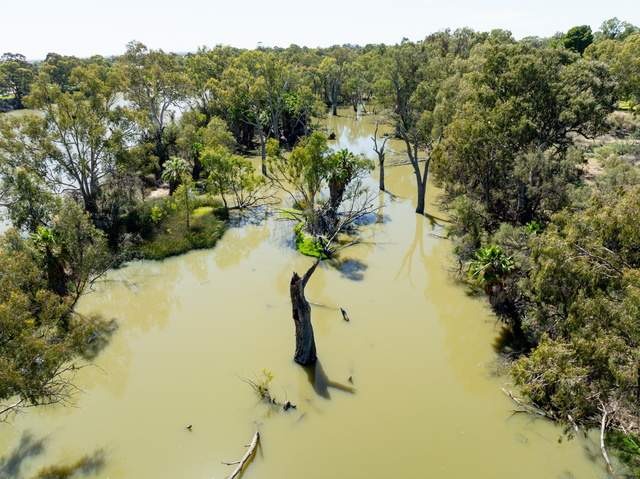
Carp have become the most dominant large-bodied fish in the Murray-Darling Basin, making up to 80-90 per cent of fish biomass.
They have major negative impacts on water quality and the amenity value of freshwater environments, as well as a devastating impact on biodiversity and native fish populations.
The government said the plan, formulated over six years, was the largest feasibility assessment of a biological control agent in Australia.
It comprised more than 4000 pages of documents including 19 peer-reviewed research papers, nine technical papers and five further planning investigation studies.
It involved 11 national and international research institutions.
The Commonwealth allocated $15.2 million in May 2016 to investigate the feasibility of releasing the Cyprinid herpesvirus 3.
Case studies undertaken as part of the plan estimate the total cost of implementing the plan in the Murray and Murrumbidgee river systems at about $190 million.
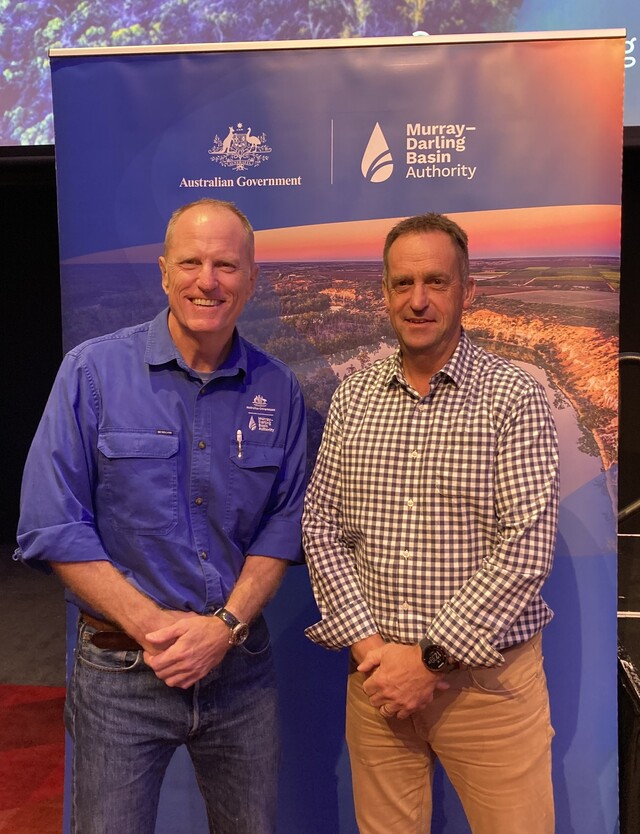
Agriculture Minister Murray Watt said agencies needed to consider the wider impacts of introducing a virus.
“It seemed to me that the recommendations were that you could consider using it in a more targeted manner, rather than just going and plonking it into every river system right around the country,” he told the ABC. “But there’s still some more work to be done here.
“We’ve got to get the National Biosecurity Committee, which includes the most senior biosecurity people from the federal and state governments, to have a good look at this now as well.
“But I think it is a really solid piece of work based on really good evidence, so I think it’s a really helpful contribution to what’s been a very challenging issue for a long time.”
Moulamein farmer and Speak Up campaign deputy chair Lloyd Polkinghorne said efforts to control “rabbits of the water” can be part of a “fresh and holistic approach” to improving the river environs.
“However, governments need to understand that carp are only part of the problem,” the water advocate said.
“Through the ‘just add water’ approach that has been adopted to this point, we have provided ideal breeding grounds for European carp and allowed them to further damage the environment that we are supposed to be protecting.”
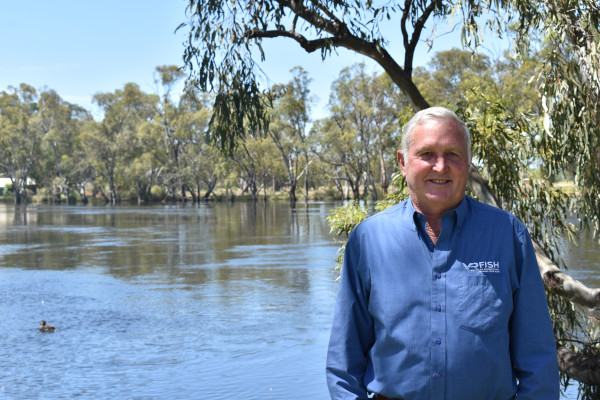
VRFish chair Rob Loats said it was time to get on with the release of the virus.
“They’ve done all this research and it’s taken several more years,” he said.
“I just believe we have to get on with it – make a decision and release it.
“The data is showing, the science is showing huge populations of carp in our river system, so even if we got rid of 50 per cent of them and followed up with a comprehensive recovery plan for native fish, we believe that’s a huge win.”