In another initiative to help with the demands of peak wool harvesting periods, Australian and New Zealand training providers have begun working together to ensure consistency of shearing and wool handler training across the Tasman.
An exchange program between Australian and New Zealand shearer and wool handler training providers got under way in February, when a group of Australian trainers visited New Zealand for train-the-trainer sessions.
The Australian trainers from Australian Wool Innovation (AWI) and the Shearing Contractors’ Association of Australia (SCAA) Shearer Wool Handler Training Inc were hosted by New Zealand’s Elite Wool Industry Training (EWIT).
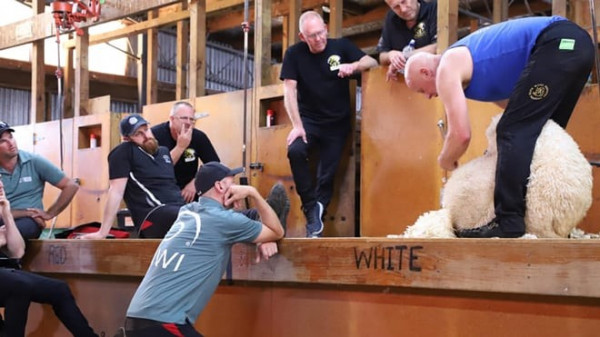
Like the Australian training providers, EWIT has a strong group of trainers, all very consistent with the way they deliver training. The visit was very encouraging with good discussion on the best pattern to shear crossbred and composite sheep.
The New Zealand trainers then had the opportunity in April for a return visit to Australia for a trainers’ workshop, held near Inverleigh in Victoria, at which AWI and SCAA trainers assisted the EWIT trainers in how best to shear Merinos and how training is delivered to new entrants in the Australian industry.
A number of New Zealand contractors also joined in on the sessions to see first-hand the effort being made to standardise the countries’ training systems and, from this, leverage the flow of staff during peak periods in both nations.
Attracting and retaining workers
The exchange program followed the signing of a joint Memorandum of Understanding (MOU) between the training bodies of Australia and New Zealand last year, in response to the global shortage of shearers and skilled wool handlers.
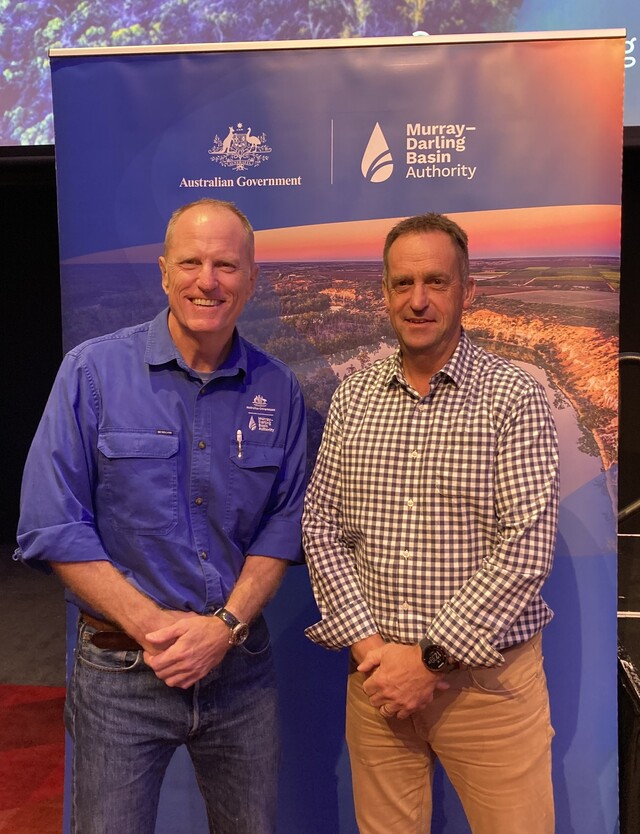
AWI’s National Manager, Wool Harvesting Training & Careers Development, Craig French says both trips were very constructive and provided the Australian and New Zealand organisations with a foundation to work together in a manner that will benefit the wool industries in both countries.
“Our two trans-Tasman nations are now collaborating and working towards the common goal of attracting, training and retaining wool harvesting staff, and providing consistent messaging and skills for new entrants to wool harvesting,” Craig said.
“Working and collaborating on standardising training techniques and delivery will eventually help the flow of shearers and wool handlers between the two countries and alleviate, to some extent, the seasonal staffing pressures felt by contractors in both countries.”
Shearer and wool handler exchange
Young shearers and wool handlers from Australia visiting New Zealand in February.
The exchange program also recently involved a group of 12 enthusiastic young shearers and four wool handlers from NSW, Victoria and South Australia visiting New Zealand in February.
A two-day advanced crossbred course and then placement for four to six weeks with contractors in the Otago region helped to take the strain off a busy part of the New Zealand shearing season.
The feedback has been very positive, with the group saying they have all learnt a lot and their careers will be better for the experience.
The group also then had the opportunity to compete in the Golden Shears shearing and wool handling championship in March at Masterton.
All did very well, with two outstanding first place ribbons in the Junior Shearing category (Tyron Cochrane from Goodooga in northern NSW) and Junior Wool Handling category (Abby Curnow from Laanecoorie near Bendigo).
A group of New Zealand shearers and wool handlers will visit Australia in spring to attend an AWI workshop on shearing Merinos to ensure quality of work and set them up for success in the industry.
After the workshop, the New Zealanders will work with a range of Australian contractors for the busy spring season.
“The work in New Zealand dries up in late spring so it is important we try to capitalise on this and encourage their wool harvesting staff to work here in Australia,” Craig said.
“The plan is to make this exchange very successful so more New Zealand shearers want the training and when they work in Australia their shearing pattern and technique will align with Australian conditions and requirements.”