A NEWLY released Emissions Reduction Roadmap for the Australian grape and wine sector has outlined effective and practical steps to reduce the sector’s carbon emissions by more than 40 per cent before 2030.
Developed by Wine Australia in consultation with more than 200 members of the grape and wine community, the Emissions Reduction Roadmap provides an industry-endorsed and science-backed pathway to reducing carbon emissions across the Australian grape and wine sector.
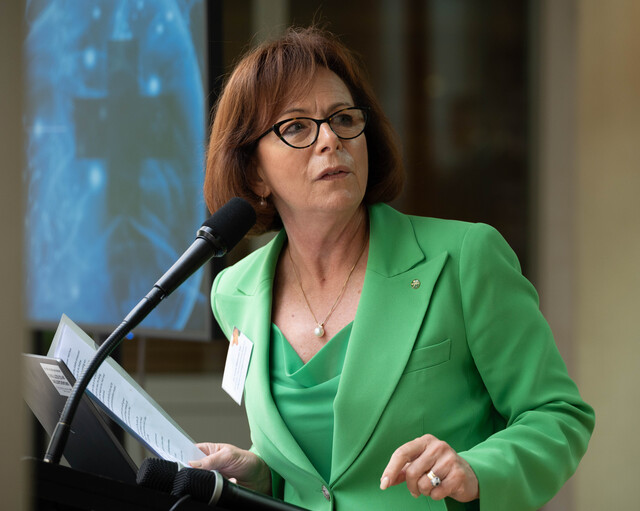
Wine Australia senior research and innovation program manager Dr Sharon Harvey said the roadmap is a key starting point for grape and wine businesses to decarbonise and reflects the commitment to ongoing improvement and safeguarding the future for Australian wine.
“Wine regions around the world are facing production challenges as a result of climate change, and global action towards a lower carbon future is accelerating,” Dr Harvey said.
“We all need to consider the emissions cost of our products to reduce our impact on the climate and to ensure access to key markets in the future.
“Backed by science, our roadmap identifies the current footprint of the Australian grape and wine sector, the key areas where emissions reduction can be achieved, and it provides practical steps for growers, winemakers, and other members of the value chain to start or further reduce emissions.
“With the initiatives modelled in the roadmap, we can have confidence that there is a 42 per cent reduction opportunity that can be achieved by 2030.
“We will also review the roadmap at intervals leading up to 2030, and beyond, to see how we are tracking and to ensure that we take advantage of new innovations to support the sector’s goal of net zero emissions.”
The roadmap outlines 11 initiatives that lead to cost savings and the reduction of emissions in the vineyard, in the winery and through the supply chain.
Achieving the full potential of the reduction opportunity will require focus on using data to inform business decisions, reducing – and eventually eliminating – the use of fossil fuel vehicles, operating efficient production sites powered by renewable electricity, optimising low emissions transport and distribution networks, and collaborating with the wine supply chain to reduce emissions from high emitting materials and services.
The Emissions Reduction Roadmap is accompanied by the Emissions Reduction Guide, a reference manual that grapegrowers and winemakers can use to take action in their own businesses.
Dr Harvey said collaboration across the entire production and supply chain is key to achieving the emissions reduction goals.
“I encourage everyone in the industry from around Australia to look at the roadmap’s resources and sign up to the network, so we can work together as a community to share knowledge, resources, and best practices,” he said.
“By doing so, we can drive real change and ensure the long-term success of our sector.”
The roadmap, developed with global sustainability advisory Edge Impact, forms part of Wine Australia’s Environment, Social and Governance Investment Plan for the wine sector, a strategy that identifies the areas that need to be prioritised to future-proof the sector.