Importers, not farmers, must pay for risks

MORE needs to be done to protect Australia’s biosecurity but taking more money from Australian farmers is not the answer.

This is the position of representative body NSW Farmers, which says the federal government needs to force importers to pay for the biosecurity threats they create.

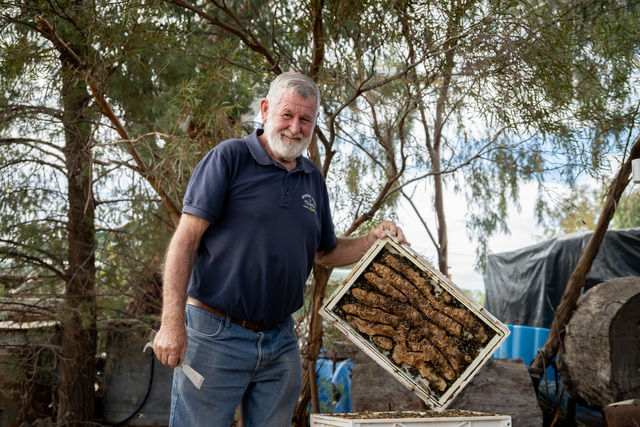
In the wake of the deadly varroa mite spreading across bee colonies in NSW, including being detected recently in hives at Balranald and Euston, eradication of the pest has been declared no longer possible.

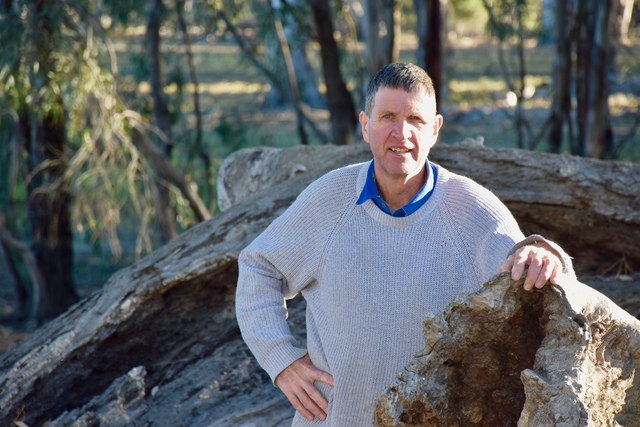
NSW Farmers biosecurity committee chair Ian McColl said the outbreak was demonstrative of just how much of a risk exotic animal and plant pests and diseases was.

“We have had a practical demonstration of how difficult biosecurity control efforts can be with varroa mite – despite our best efforts, Australia now has to live with another costly biosecurity failure,” Mr McColl said.

“This underscores how critical detection and prevention is.

“We need all governments appropriately resourcing biosecurity efforts to maintain strong protections at the border.”

But to help create extra funding for these biosecurity measures, the government is currently consulting on a new biosecurity protection levy which will apply to primary producers from July 1 2024.

The levy will be charged to agricultural, fisheries and forestry producers and is intended to collect around $50 million per year, which will be allocated to maintain the Commonwealth biosecurity policy, operational and technical functions.

Mr McColl said the levy should be imposed on importers, rather than farmers themselves who have to bear the brunt of biosecurity breaches.

“Our members have been quite clear that increased biosecurity funding is essential but it should take into account who creates the risk and who already pays,” he said.

“Taxing farmers who are at ultimate risk of biosecurity breaches is not the way to move to improved biosecurity outcomes, especially when that tax might simply fund administrative functions of the federal department and not increase biosecurity prevention, preparedness or response capabilities.”

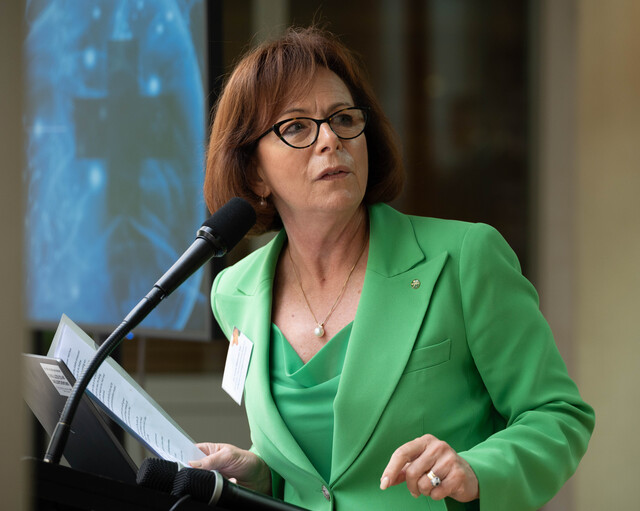
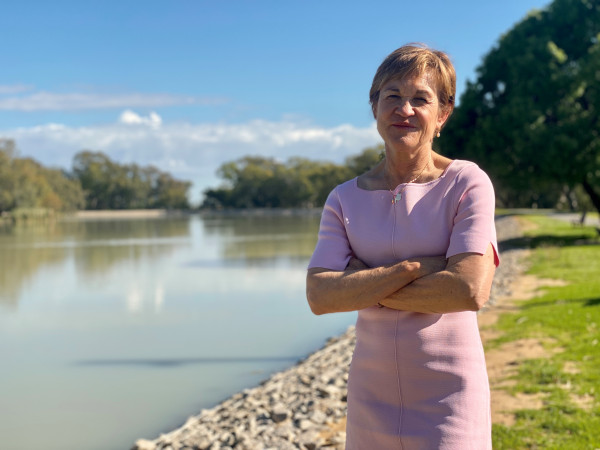
Independent Member for Murray Helen Dalton has expressed her support for the representative body, opposing the biosecurity protection levy in its current form.

“Clearly, it is importers who should be paying the costs for our biosecurity,” Mrs Dalton said.

“Asking farmers to pay for it is just not on.

“It’s not farmers who are making big dollars from importing this food.

“It’s not farmers who are importing biosecurity risks such as varroa mite.”

Mrs Dalton was also sceptical that any levy that farmers paid would actually go towards improving biosecurity outcomes.

“It may end up paying for more bureaucrats and more paper shuffling,” she said.

“Farmers should not be paying for improved biosecurity, when they are already paying for the serious failures in biosecurity that we have seen recently.”

Digital Editions


  • Almond boss resigns

    Almond boss resigns

    ALMOND giant Select Harvests is on the hunt for a new boss after shock news its chief executive is stepping down. Chief executive and managing…

More News

  • Dog’s Day Out arrives in the Mallee

    Dog’s Day Out arrives in the Mallee

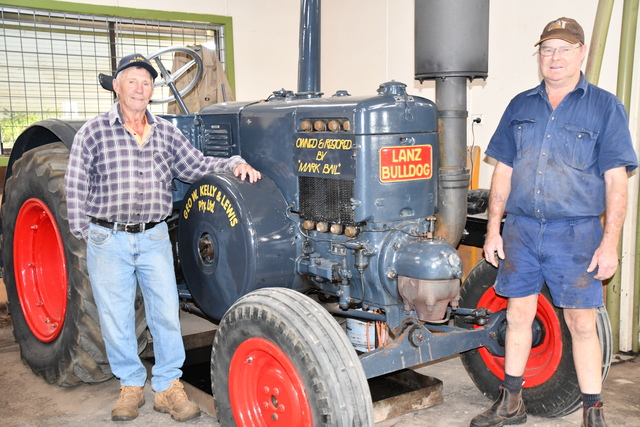
    THE iconic spluttering rumble of Lanz Bulldog Tractors is set to roar across Swan Hill and Woorinen next month, when the Mallee Steam, Oil and Machinery Club hosts Dog’s Day…

  • Perfect storm for grape industry

    Perfect storm for grape industry

    This year is certainly testing ones resolve, excessive heat, high water costs, record low grape prices, 170mm of rain at the wrong time and now the fuel issue. After eventually…

  • Holding on to their heritage

    Holding on to their heritage

    Purchase this photo from Pic Store: 531373 TRADITIONAL family farms, passed down from generation to generation, are becoming rarer and rarer these days. With the growth in corporate farming, greater…

  • Wet weather halts harvest

    Wet weather halts harvest

    It’s been an eventful start to harvest for the almond industry. Like all of agriculture in the region, Mother Nature and geo-political tensions have played a hand in providing extra…

  • Royal Commission push back

    Royal Commission push back

    A FIERY clash in Federal Parliament has reignited the bitter fight over the future of the Murray-Darling Basin, with the federal environment minister rejecting claims the government is “destroying family…

  • Call for royal commission into water welcomed by irrigators

    Call for royal commission into water welcomed by irrigators

    FARMING communities have backed a call for a federal Royal Commission into water, saying it is time to expose the “treachery, lies and shonky deals” behind the Murray-Darling Basin Plan.…

  • Nationals push to protect prime farmland with new federal Bill

    Nationals push to protect prime farmland with new federal Bill

    THE Nationals have moved to block taxpayer funding for energy and mining projects on Australia’s best farming land, unveiling a new Bill they say is vital to protect the nation’s…

  • Sally returns from Japanese adventure

    Sally returns from Japanese adventure

    I am pretty excited for this week , actually just tomorrow evening specifically when Sally returns from her first globe trotting adventure. Flying in from Osaka Japan, she’s been on…

  • CWA brings life skills program to the Mallee

    CWA brings life skills program to the Mallee

    Purchase this photo from Pic Store: 539453 A SURGE of community spirit swept through the Mallee when Country Women’s Association of Victoria president Jenny Nola attended the Murray Valley Conference…

  • Basin leaders meet as water plan review looms

    Basin leaders meet as water plan review looms

    NEARLY 200 leaders from across the Murray-Darling Basin gathered in Brisbane last week to debate the future of water management, with northern Victorian councils warning food production and regional communities…