Microbiome delivering maximum results

STRONG roots and fibrous stems have proven hardy resistance to excessive heat, and saved a young nursery from devastating losses.

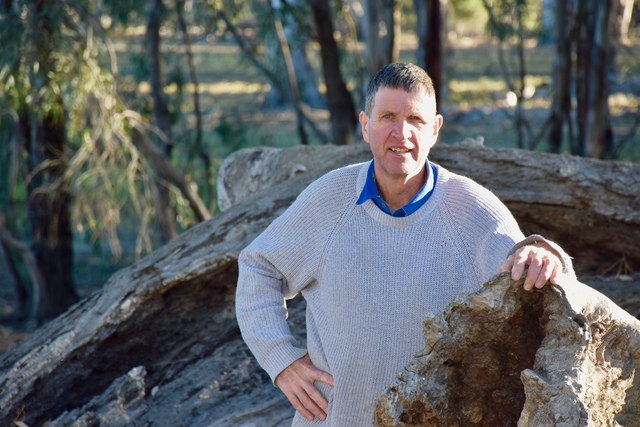
Permaculturist Russell Calder did not lose a single plant through the January heatwave, which he attributed to high carbon and humus content in his soil, along with significant investment in automatic watering infrastructure.

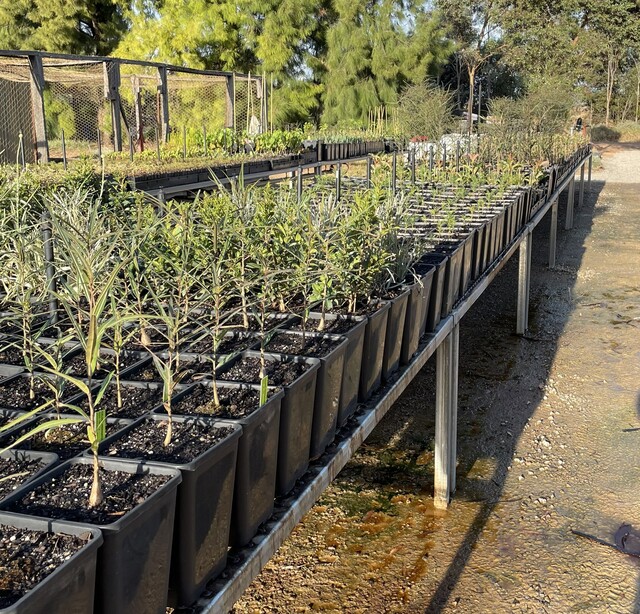
His latest venture into seedling cultivation, utilising his flagship organic worm casting fertiliser, Stimulator, has helped him understand the benefits of complex organic matter in the lifespan of plants.

“It was amazing really, those seedlings were out in the weather, they weren’t covered, and we haven’t lost a single one – they weren’t even stressed,” he said.

“I don’t like to think about it but normally in that heat I would expect to lose 25 to 50 per cent of my stock and for 100 per cent to show some detrimental effect like leaf burn or dieback, but there was no sign of stress.

“It’s the benefits of automatic watering, certainly, but the main thing was regular applications of Stimulator before the heat.

“It encourages the plant to produce fibrous fruits, so the nutrients and moisture are drawn into the plant more effectively, without which they can’t draw in enough and you’re going to lose plants.

“As we are still in the early stages of the Calder Nurseries project, surviving the heatwave made the difference between success and failure.”

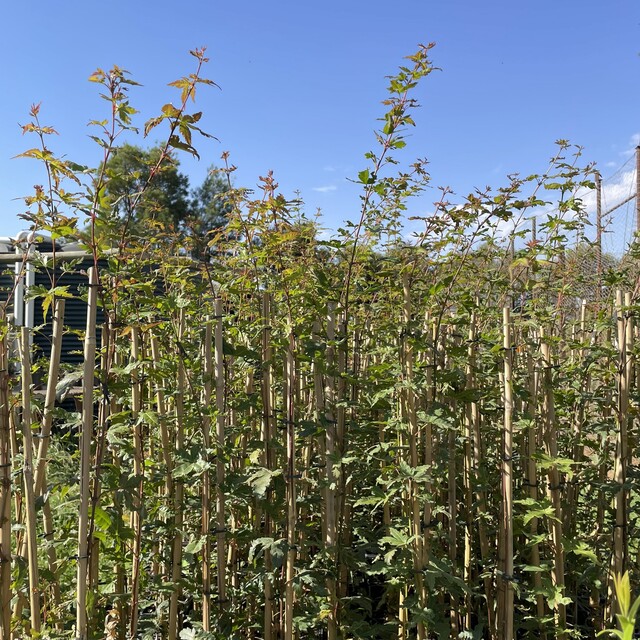
The nursery has more drought-resistant native seedlings, as well as less durable conifer and Japanese maple seedlings which remained unaffected, defying expectations.

“It’s taken me 26 years as a chemically trained greenkeeper to completely understand how and why Stimulator encourages such hardy growth, but I’ve always known the complex microbiology developed through the process of composting manure before feeding it to our earth worms is beneficial for the soil and the plant,” Mr Calder said.

“Stimulator in its dehydrated state is 25 per cent carbon and 25 per cent humus, which is the resultant part of a complete organic breakdown – it’s what plants have evolved to live on over four billion years of recycling nutrients.

“Humus and carbon under normal conditions can take centuries to form, but we’ve inadvertently come across a way of speeding up that process with composting and with the macro and microorganisms in the worm beds, and they have played a much bigger role in the process than I initially gave them credit for.

“Carbon doesn’t produce as much of the visual effects of large bushy leaf growth that you would expect from a nitrogen fertiliser like urea, but it develops strong roots and rich soil that can withstand stress.”

Digital Editions


More News

  • Warm weather set to continue

    Warm weather set to continue

    BARLEY prices are supported as drought speculation builds, with growers holding onto grain for livestock feed. The Bureau of Meteorology January drought statement showed below-average rainfall for much of Victoria…

  • Growers warn of fallout from visa cuts

    Growers warn of fallout from visa cuts

    UNPICKED crops, decimated rural communities and higher supermarket prices are among the consequences that could unfold if One Nation’s anti-immigration policy were to be implemented, farmers and experts have warned.…

  • Grape harvest underway

    Grape harvest underway

    Harvest has begun with our first loads of Chardonnay and Pinot Grigio. Reports of lower yields following the ongoing heat are common, although with the worldwide oversupply of wine, this…

  • Grant strengthens cattle and red meat industry

    Grant strengthens cattle and red meat industry

    Purchase this photo from Pic Store: 528596 Meat and Livestock Australia (MLA) in partnership with industry peak bodies, has secured a grant from the National Foundation for Australia-China Relations to…

  • Safety a priority

    Safety a priority

    EVERY farmer deserves to come home safely at the end of the day. That is the message at the heart of a new statewide campaign urging Victorian farmers to see…

  • Golden opportunity for future

    Golden opportunity for future

    THE Victorian Farmers Federation has called on the State Government to make strategic investments in agriculture, saying smarter policy and targeted funding in seven priority areas could supercharge the industry…

  • New initiative for soil diseases

    New initiative for soil diseases

    THE Grains Research and Development Corporation has recently launched a new initiative aimed at addressing economic strain from soilborne crop diseases. The Soil-Borne Disease Initiative is a five-year program that…

  • Wine producers call for intervention

    Wine producers call for intervention

    AUSTRALIA’S winegrape producers’ association has warned that the sector is entering a structural crisis as global demand continues to spiral. In their pre-budget submission for 2026-27, Australian Grape and Wine…

  • Vineyard vintage outlook wine-derful

    Vineyard vintage outlook wine-derful

    THIS year’s vintage is shaping up well across the Murray Darling. Duxton Vineyards, operating more than 2400 hectares as well as a large-scale winery, are reportedly on track for a…

  • Honey on tap un-bee-lievably good

    Honey on tap un-bee-lievably good

    Purchase this photo from Pic Store: 532909 WHAT’S better than beer on tap? Honey, especially if it’s made and produced by Megan and Lachie Mannes, from the Mannes Desert Honey…