Brett Hosking
President, Victorian Farmers Federation
VICTORIA’S farmers are being squeezed from every direction.
Drought conditions, soaring input costs and volatile global markets have already placed unprecedented pressure on agricultural producers.
Now, many are being hit with steep council rate hikes and the looming threat of a new emergency services levy which risks compounding the burden on farming communities already at breaking point.
Recently the VFF team crunched the figures and revealed the five biggest council offenders when it comes to local rates, and the outcome was startling.
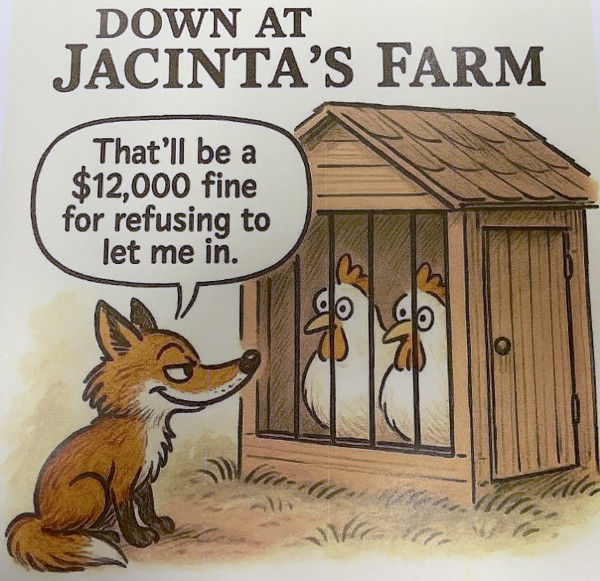
Many local councils are flaunting the Victorian Government’s local government rate capping policy and hanging farmers out to dry.
We won’t stand idle and watch the burden of funding key services rely more and more on the agricultural sector.
From rates to the fundamentally wrong Emergency Services and Volunteers Fund, farmers are wondering when the financial hits will stop.
Some farmers face increases in the tens of thousands of dollars with the ESVF and now have surging rates on top of it.
We’ve won a reprieve with the fire services levy increases paused, but it’s still looming large, and this rate rort is another kick in the guts.
To put it in context, farmers in the Surf Coast Shire are facing a huge 15.93 per cent rise to their rates.
When you consider the potential costs imposed by the looming ESVF, an extra $1 million would be extracted from local farmers just in that area.
Put simply, it’s not sustainable and we can’t sit back and watch it happen.
When you’ve got one group of taxpayers in some cases facing double-digit rate increases and little to no increase for others in the same area, there can be no doubt the system is flawed.
We’ve long argued for the Victorian Government to require councils to apply the rate cap to each class of land to stop this mess.
The fundamental principle should be that as the value of farmland increases; the differential rate is adjusted to reduce the rate in the dollar so that the rate burden paid by the farm sector remains stable.
This approach has been applied with great effect in the Ararat Rural City Council and every single council in the state must do the same.
When you look at the issues facing farmers from a wide angle, it’s no wonder why many regional Victorians are furious.
Farmers aren’t asking for special treatment, rather fairness.
The reality is farms use fewer council services than their urban counterparts yet are being charged many times more in rates.
This fundamental inequity in the local government funding system needs urgent reform.
Once again, the ball is in the court of the Victorian Government, and we will be making sure farmers voices continue to be heard.
The five worst performing councils are listed below:
Local Government Change in average farm rates assessment (%) Change in average residential rates assessment (%)
Surf Coast Shire 15.93 1.09
Macedon Ranges Shire 14.78 2.49
Melton City Council 13.94 -3.36
Mitchell Shire (40-100 ha farmland) 8.62 1.60
Mornington Peninsula Shire 6.14 3.66