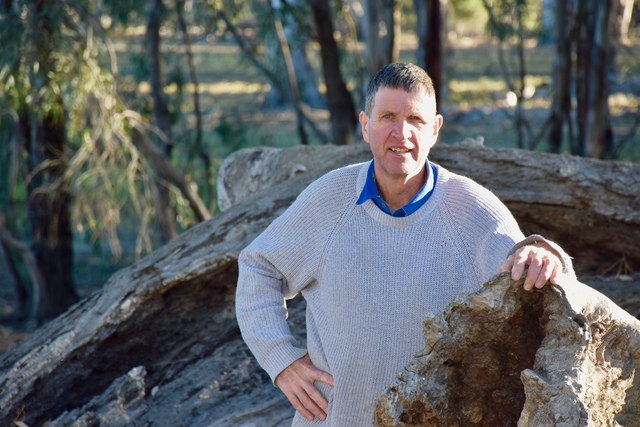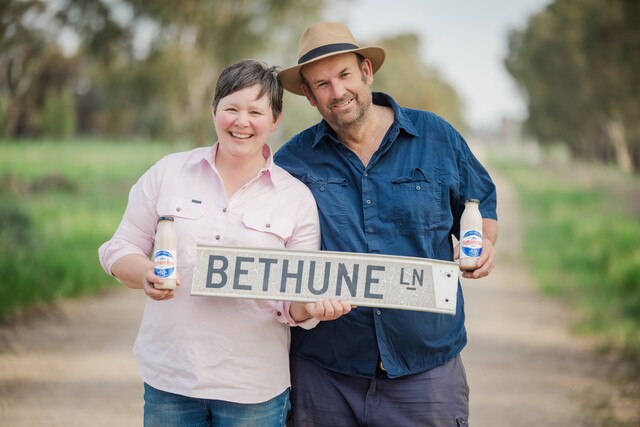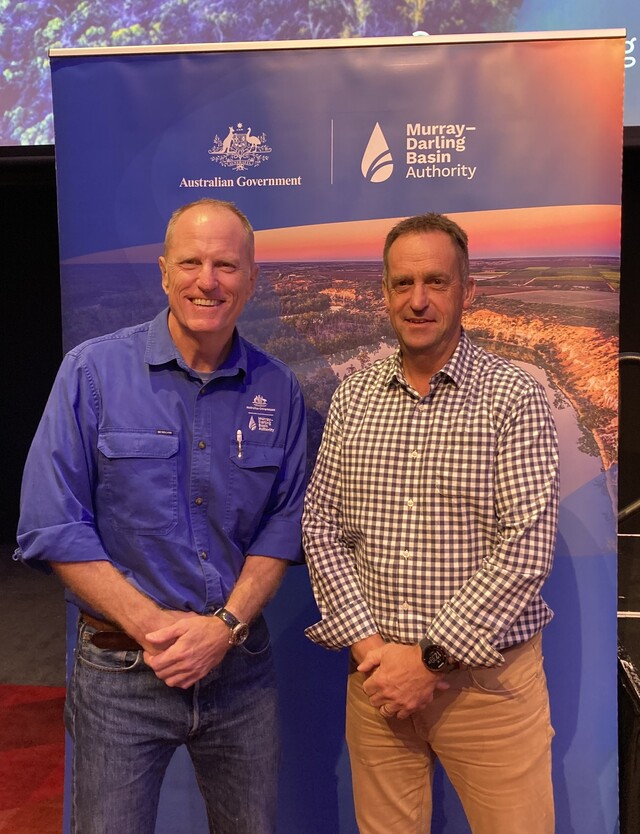
Camilla, Will, Emma and James Shippen of Banyandah Pastoral Co run a huge self-replacing Merino operation across 105,000ha, the majority of which is situated at Moulamein, north-east of Swan Hill.
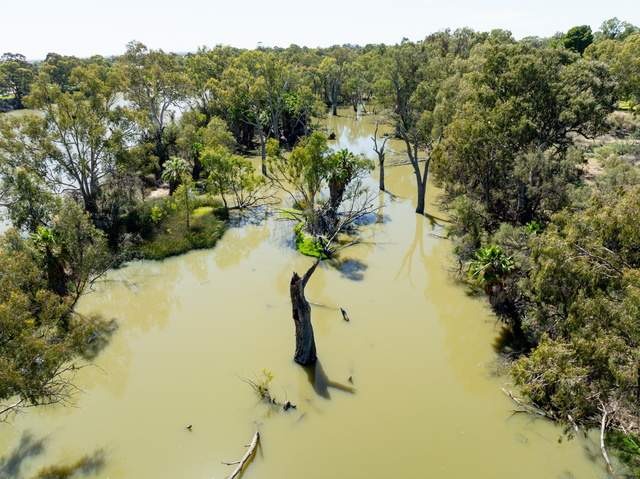
The average annual rainfall there is 330mm but in November last year, like much of the region, it suffered unprecedented flooding which stranded many of the Shippens’ sheep – and put half their usual shearing sheds out of action.
This was terrible timing, with the gigantic annual shearing of 55,000 grown sheep and 40,000 lambs having only just begun.
“It was a pretty difficult shearing, this one,” Ian Shippen said.
“We were inundated with flood waters that probably only happen about once every 50 years in our country.
“We usually shear in about four different sheds, but due to the flooding we had to truck around 30,000–40,000 sheep.
“In the end, I rang AWI in desperation saying we had to do something.”
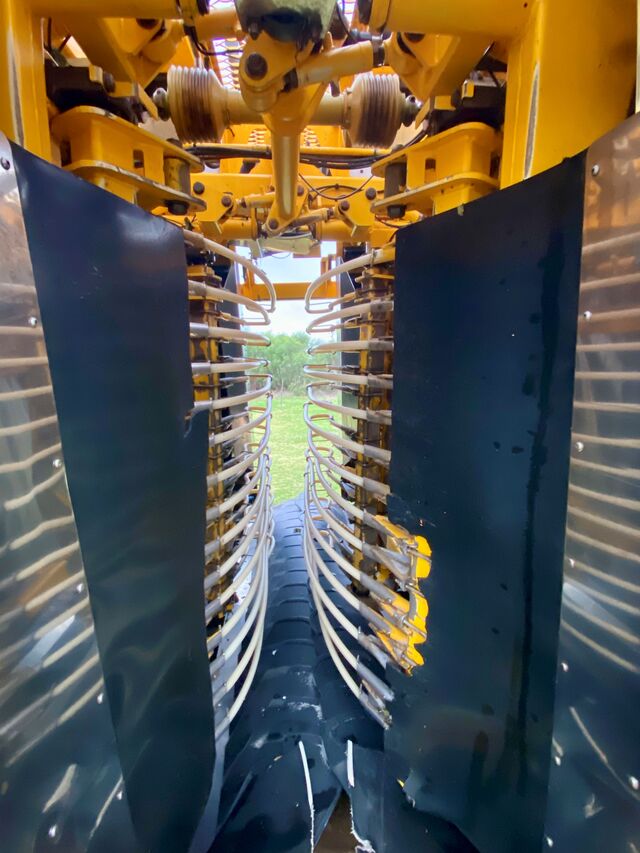
Ian said his dire situation was helped enormously when AWI organised for five modular sheep delivery units owned by AWI and two more owned by Haynes Engineering to be made available for him to use.
“AWI got some modular shearing units delivered to us at one of our places that wasn’t too badly affected by floodwater.
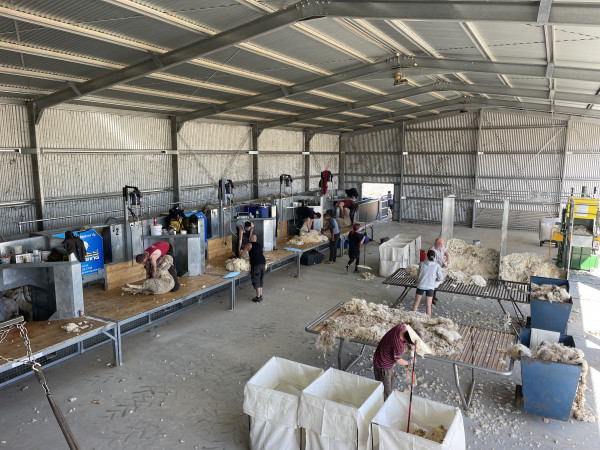
“We turned an existing hay shed, sized about 30m by 18m, into a shearing shed with a set of yard, in about three weeks.
“We cemented the floor and put in seven modular shearing units which worked really well.”
The size of the existing hay shed meant that the seven modular units were configured into an L-shape, with a fabricator creating a corner to allow the sheep to flow.
In the end, seven sheep delivery units in total were installed in the hay shed.
The Shippens have since shorn about 15,000–20,000 sheep through the system and have confirmed their intention to purchase the modular units from AWI and Haynes Engineering as they now have a fully operational shed at a fraction of the cost of other designs.
“I think the shed ran very well,” Ian said.
“We hadn’t had a lot of time to think about how best to adapt the hay shed into a shearing shed and I’d maybe change a few little things, but conceptually it worked well.
“We were surprised how it took limited effort to get the sheep to flow up into the race and once in there they ran well.
“I was very happy with it.
“We had a crew of seven shearers doing about 900 sheep per day.
“The professional shearers that we had – those who see shearing as a career – really warmed to the sheep delivery units; they thought it was a fantastic concept.
“They reckoned it was worth about five or six sheep per run better in their tallies.
“These are people doing about 35 a run so it was a pretty big increase in production.
“The shearers also said they felt a lot better and less tired at the end of the week so they really embraced it.
“I’m no spring chicken – I’m 57 –but I picked up a handpiece a couple of times myself and did it easily.
“As an industry we have to embrace innovations like the AWI sheep delivery system because it means less energy used by the shearers.”
Ian said although the flooding, combined with the lack of shearers, made their shearing a very drawn-out affair last time around, he was a true wool enthusiast who revelled in watching his 21-micron Banyandah Pastoral wool clip shorn and packed into more than 3600 bales.
“We started shearing in October and it took until February to finish.
“But a big thank you to AWI this year, because we were in all sorts of trouble at the beginning.
“It was a tough few months but I’m really positive about the future of wool.
“I think it’s a fantastic product and I’m definitely going to stick with it.”
More information: Hear from Ian Shippen in episode 241 of AWI’s The Yarn podcast at wool.com/podcast