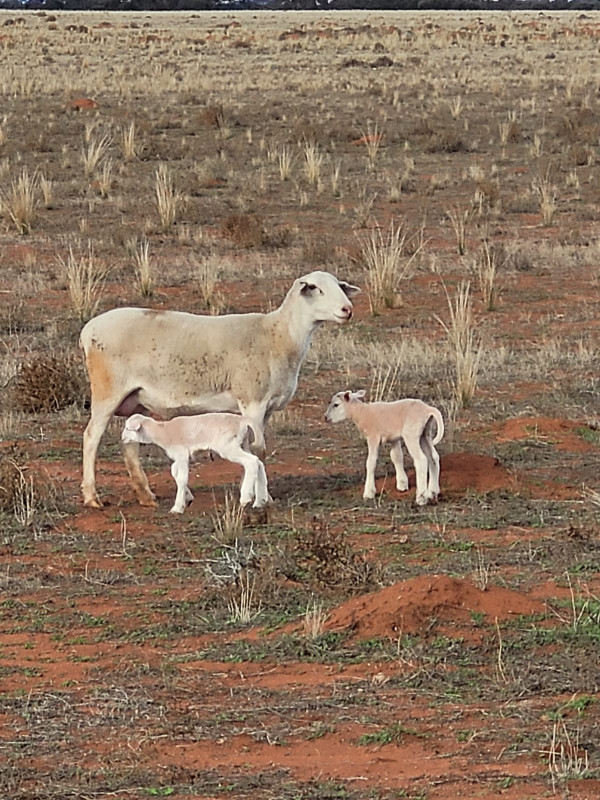
Australia’s sheep industry may have been insulated from the world’s major ovine diseases, but the Sheep Sustainability Framework’s sustainability steering group is warning that could change soon.
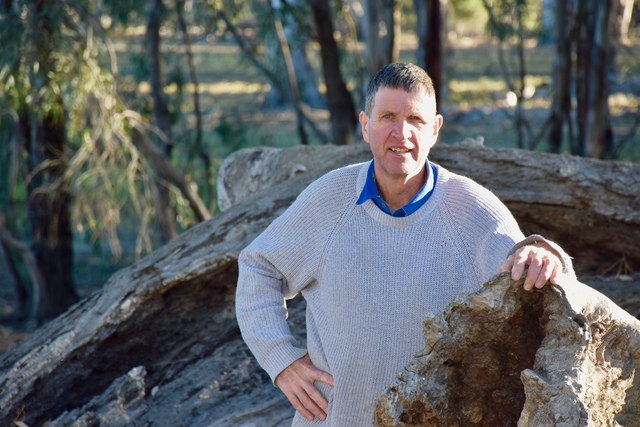
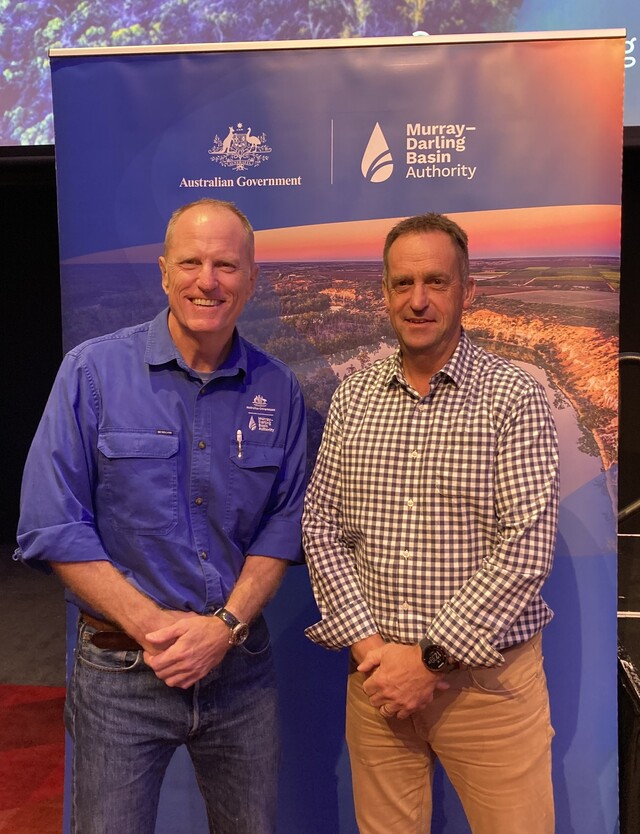
Its chair Scott Williams said foot and mouth disease (FMD), sheep pox and scrapie, would have disastrous consequences for long-term sustainability if they reach our shores.
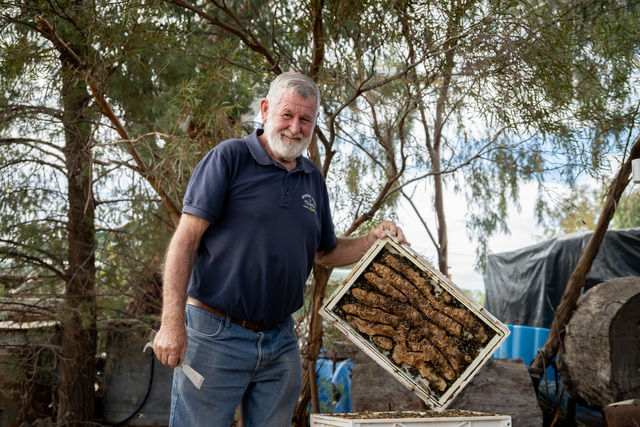
Mr Williams said the recent outbreak of varroa mite in the honeybee industry, Japanese encephalitis affecting pigs, and the threat posed by FMD in Indonesia, show our island geography and excellent biosecurity standards cannot always prevent pests and diseases.
He said the agricultural industry needs to be aware, and acknowledge, there is no such thing as zero risk.
“It’s critical that the sheep industry remains alert and adaptable and avoids complacency, particularly in implementing biosecurity practices and traceability systems that will guard against incursions and minimise their impact,” he said.
“Everyone has a role to play, from livestock producers to supply chain participants to government and the community in general.
“This means ensuring sound biosecurity practices. Controlling the entry of people, vehicles and animals onto your property; asking for health declarations for all purchased or agisted livestock; making sure anyone or anything entering your property is appropriately treated or disinfected; and inspecting and quarantining introduced animals, to ensure any diseases or parasites are detected before they join the rest of the flock or herd.”
Mr Williams said freedom from disease also means we need fewer chemical, antimicrobial and other treatments to maintain high levels of health and welfare in our sheep, and it minimises the impact of diseases we already have, such as footrot and lice, as well as noxious weeds.
Our sheep products have an international trading advantage – Australia has a high degree of market access and a reputation for products that are clean, green and safe to use.
But at the same time it’s the growth in global trade and interaction between countries, combined with climate change, that is expanding the reach of exotic diseases across borders.
The Sheep Sustainability Framework (SSF) has four distinct themes: caring for our sheep, enhancing the environment and climate, looking after our people, customers and community, and ensuring a financially resilient industry.
These are not ranked in order of importance. They are all interdependent.
“The impact of climate change is closely linked with animal health and welfare, biosecurity and market access,” Mr Williams said.
“As the world’s climate changes, the industry is facing the impact of rainfall variability, temperature fluctuations, and natural disasters.
“As temperatures increase, changes in rainfall and humidity affect the reproduction and geographic spread of pests and disease vectors such as flies, ticks, and mosquitoes.
“Biosecurity risks from climate change can seriously impact market access and the financial resilience of the sheep industry.
“The simple reality is, disease does not respect boundaries. This makes traceability systems like the National Livestock Identification System (NLIS) and programs such as Livestock Production Assurance (LPA) critical to the prevention, identification, control and elimination of a disease outbreak, and shares the responsibility for monitoring across industry, regardless of state and territory boundaries.
“Electronically identified livestock (eID) can be traced with greater efficiency and accuracy than visually identified livestock.
“The faster livestock can be traced, the greater the chance of controlling a disease outbreak and minimising its economic and social effects.”
Mr Williams said an outbreak of an emergency animal disease, such as FMD, would be devastating.
Even if it was quickly contained and eradicated, it would still take around 18 months before we could return to a formal status of freedom without vaccination, and regain the market access we have now.
He said effective traceability relies inherently on industry compliance and national consistency.
“When systems are fully supported and activated, the benefits of improved traceability to biosecurity and market access will accrue across the entire value chain,” he said.
“The beef industry is already seeing a spreading of insect pests such as ticks and buffalo flies, and some internal parasites are becoming either more localised or concentrated, or more widely distributed.
“We will need to work smarter and more collaboratively, harnessing technology and data to drive biosecurity innovation.”
Mr Williams said biosecurity impacts on the health of the flock, the viability of farmers, the reputation of Australia as a premium trading partner, and the sustainability of the sheep industry, and traceability is a key element to ensure we stay healthy for the long term.
“To quote Thomas Jefferson, ‘The price of freedom is eternal vigilance’.”