IN A win for grain growers across the region, China dropped its 80 per cent tariffs on Australian barley over the weekend.
The tariffs were introduced back in May 2020 as a result of an 18-month investigation by the Chinese Ministry of Commerce alleging that dumping and subsidisation by Australia had occurred.
Australia then referred China to the World Trade Organization (WTO) but suspended the appeal earlier this year when Beijing agreed to review the tariffs.
In a statement released on Friday, China’s Ministry of Commerce said it has ruled that “in view of the changes in the market situation of barley in China, it is no longer necessary to continue to impose anti-dumping duties and countervailing duties on the imported barley originating in Australia”.
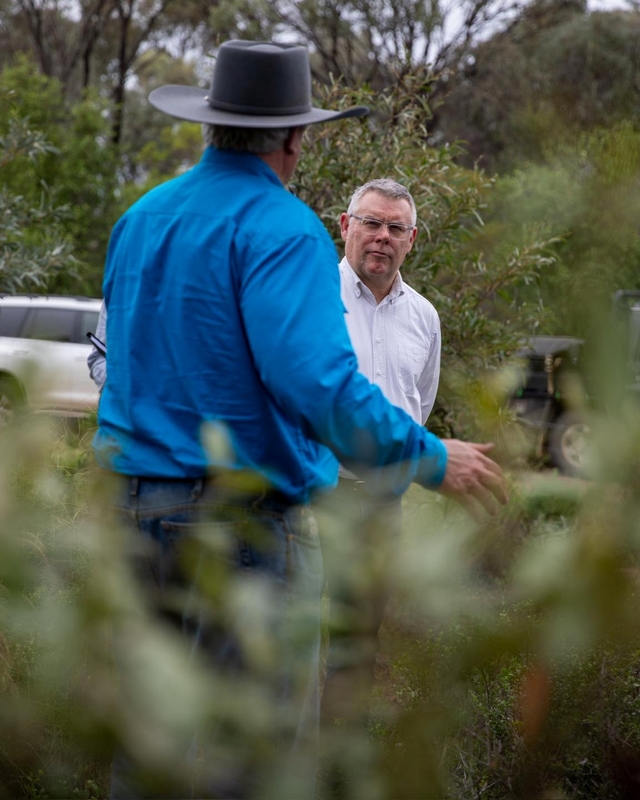
Quambatook farmer and former Victorian Farmers Federation grains group president Brett Hosking told The Guardian it was estimated the impact of the tariffs had cost grain growers around $50 per tonne during the time they were enforced.
“To put that in perspective, barley crops in the past two years have been in excess of 10 million tonnes, closer to 15 million tonnes – they are some pretty big years to be wiping $50 a tonne off,” Mr Hosking said.
“We’re talking three quarters of a billion dollars out of rural communities – that money ultimately goes into growers’ pockets who live in rural communities and spend their money in rural communities, so it is less money for the footy club, the church, the Lions Club and all of those little groups that make up communities.”
Mr Hosking said the announcement of the tariff lift was great news, as the exporting relationship between Australia and China was extremely important for grain growers, with the Chinese market offering a real advantage from a geographical perspective.
“We’re one of the closest Southern Hemisphere grain-producing countries,” he said.
“China is a big barley producer themselves, but they are a Northern Hemisphere country so they are just wrapping up their harvest right now and they are going to have a whole heap of barley coming in off that, and they are going to consume it pretty quickly and then they are going to get to the end of this year around November/December and that’s when the Australian harvest will be coming online.
“The other thing that is a real advantage is that because we’ve had such a strong relationship with China for so many years, we’re actually producing barley in a style and varieties that actually suit the Chinese palate.
“If we can reinstate our barley production along those lines – producing a product that they want and continue to pay a premium for – then we will have a really prosperous relationship for both countries going forward.”
Member for Mallee Anne Webster is now keen to see China lift tariffs on other exports, such as wine, which was referred to the WTO in 2021.
“Now that the barley tariffs have been resolved, the attention must turn to Australia wine exports,” Dr Webster said.
“There will be many wine grape growers and producers in the Mallee waiting for that decision in order to recommence their exports to China.”