FOR the third year in a row, Mallee croppers have been left holding the proverbial water bag as another protracted wet means forget the harvest, the real hard work is about to begin.
Once again, farmers not committed to a program of proactive disease management face some serious risks of significant production losses.
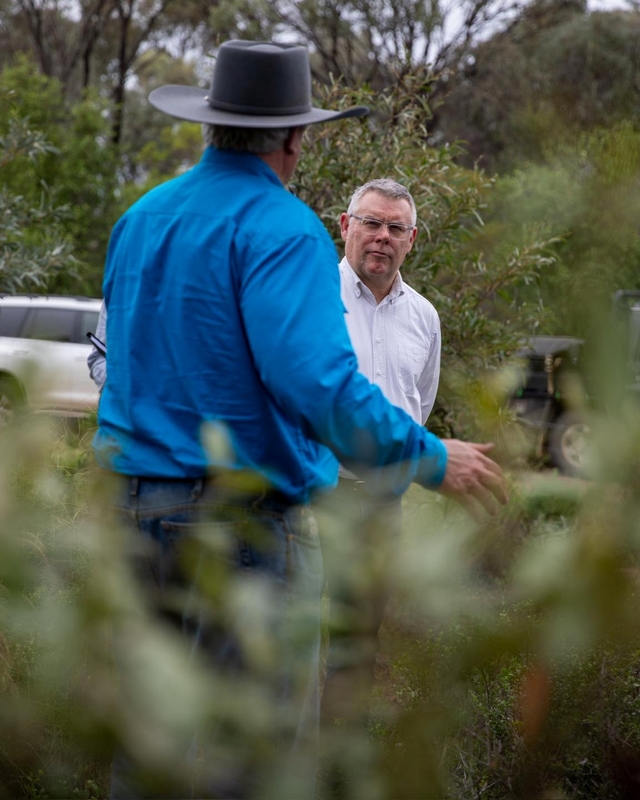
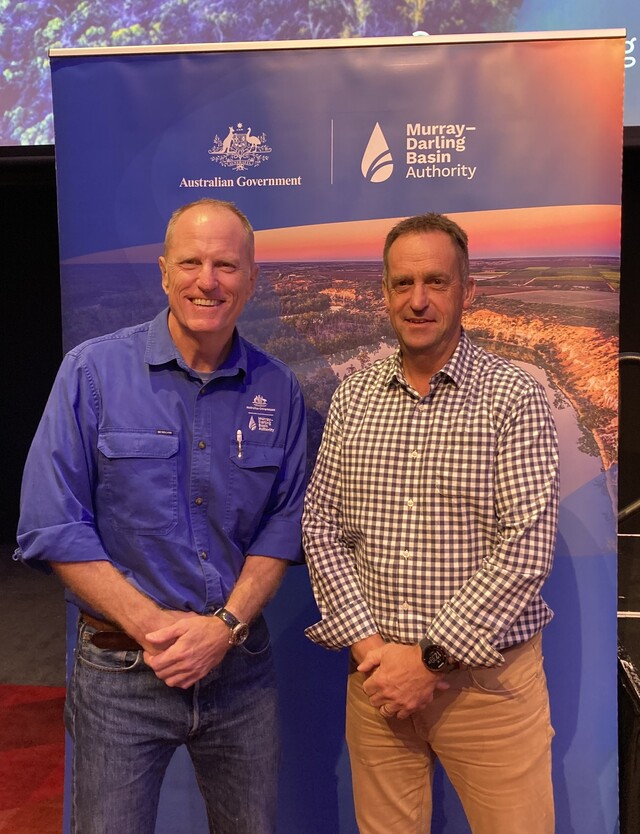
Just ask Wimmera-based research scientist Dr Hari Dadu, whose litany of challenges to come is enough to create more than a few sleepless nights across north-west Victoria.
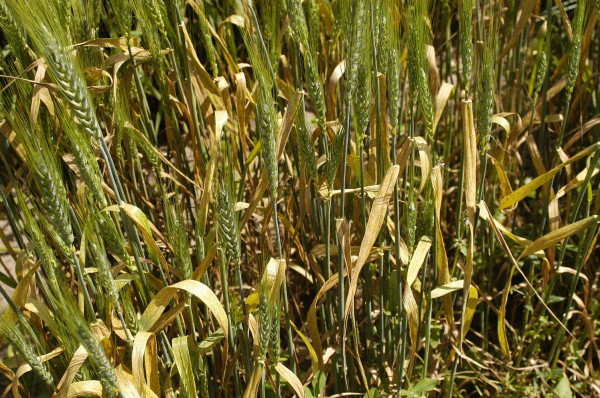
Think septoria tritici blotch (STB), powdery mildew and stripe rust of wheat, net form, spot form of net blotch and leaf rust in barley, to begin with.
Dr Dadu said STB last year reduced grain yield in highly susceptible wheat varieties by 28 per cent in the Wimmera and 13 per cent in the Mallee. Net form of net blotch (NFNB) is common in barley and caused grain yield loss as high as 18 per cent in susceptible varieties.
Even worse, he said that was compounded by fungicide resistance, which is now common in cereal pathogens in the southern Australian agricultural zone, and so strategies to manage cereal diseases under fungicide resistance environments are urgently required.
“What the industry is really seeking here is a community-wide control of the weed and disease burden we are facing in the weeks and months ahead,” Dr Dadu said.
“It only takes one or two producers to not have any control and suddenly neighbouring properties who have gone down the professional path to do everything possible to remove the weed and disease threat find they are still at risk.
“They could be facing significant damage because if you don’t get your strategies right the pathogens will survive on no-control properties.
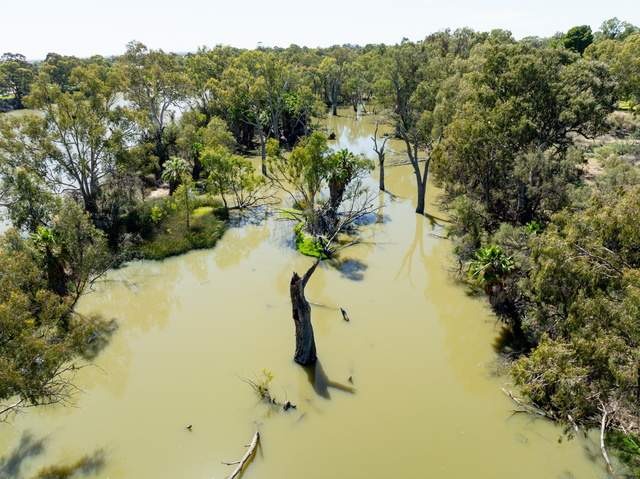
“Swan Hill has some of the worst conditions in the Mallee – in just a few days earlier this month it received more than 120mm of rain, which is why we need an industry-wide green bridge strategy.
“Farmers who might have even been thinking of going wheat on wheat in some paddocks should be reconsidering a rotation option – they just have to look back at 2023 or 2022 to see how it can all go wrong.”
Dr Dadu said he was concerned people who were not rotating every season were also carrying more inoculum into the new season.
“Disease pressure on cereal crops during 2023 was high, and substantial inoculum carryover from 2022 and wet conditions during winter prompted high disease severity in cereal crops and resulted in yield losses despite below average rainfall in spring,” he said.
“The most important component of an integrated disease management strategy by far is the avoidance of highly susceptible (or sucker) varieties.
“We often assume that for genetic control we need to grow resistant varieties (i.e. those rated R, RMR or MR), when varieties with a rating of MS (and in some cases MSS) or better will provide protection from loss, especially when the varieties are grown on a large scale.
“Yellow leaf spot (YLS) in wheat is an example of where replacing highly susceptible varieties (e.g. Yitpi, Scout, Phantom) with partially susceptible varieties (e.g. Scepter, Rockstar, Trojan, Vixen) provided widespread disease control. Completely resistant varieties weren’t required.
“Conversely, wheat powdery mildew is an example of where partially resistant varieties (e.g. Yitpi, Scout, Axe) were replaced with highly susceptible varieties (e.g. Scepter, Rockstar, Trojan, Vixen, Corack, Wallup) on a large scale resulting in powdery mildew becoming an important disease.”
Dr Dadu said rust, in particular wheat stripe rust, was common in south-eastern Australia last year due to the high levels of rust present in 2022 and its carryover on volunteer wheat growing over summer (the green bridge).
He said the common use of up-front treatment, such as fungicide on fertiliser and using treated seed, provided good early suppression of disease, however high disease occurred when integrated control was not used.
With early summer rain events in many parts of the south-east rust carryover on volunteer cereals is expected going into the 2024 season.
Good rust management will be required with practices, including:
• Removing the green bridge (volunteer cereals) by mid-March.
• Using a current cereal disease guide to check resistance ratings of varieties and, where possible, avoiding susceptible varieties.
• Having a fungicide management plan, with an emphasis on up-front control options.
• Using the free StripeRustWM app, for iPads and tablets.
Internationally, Dr Dadu said Australia was in the enviable position of having excellent information on the national distribution of cereal rusts and their pathotypes (strains).
He said this enabled accurate disease resistance ratings for current and new varieties, and support for breeders in the development of resistant varieties.
This surveillance by the University of Sydney, with Grains Research and Development Corporation support, during 2023 until end of November, received 289 samples of rust nationally with results from 228 samples returned to date.