From July 1, the levy would collect an amount equal to 10 per cent of farmers’ existing industry-led agricultural levies.
Importers will also be charged increased fees and charges under the plans unveiled in last year’s Federal Budget.
Most farmers campaigning against the levy are members of one or more of the 50 of Australia’s peak agricultural producer representative groups.
Manangatang’s Christine Plant, whose family grows wheat, barley, lentils and chickpeas, said they took biosecurity “very seriously”.
“That’s also why we are happy to pay levies which contribute to managing pests and diseases on our farm,” Mrs Plant said.
“We are already contributing to biosecurity through existing levies, but then to add another tax onto producers, one which doesn’t actually get spent on the issue but goes into consolidated revenue, seems counterproductive.”
Agriculture Minister Murray Watt told parliament last year funds raised from the levy would go to consolidated revenue and then provided back to the Department of Agriculture, Fisheries and Forestry.
Mrs Plant wanted the levy to be paid by importers.
“As a grower I would ask why risk creators … are excluded from paying a levy,” she said.
“Not only does the proposed tax come off our bottom line, but agriculture seems to be bearing the cost, rather than all affected and contributing partners, i.e. importers, paying their fair share.”
With the levy in place, the government forecast total spending on biosecurity of $804.6 million next financial year to be funded 48 per cent by importers, 44 per cent by general tax revenue, 6 per cent by domestic primary producers and 2 per cent by Australia Post.
The protesting peak industry bodies represent tens of thousands of Australian agricultural producers across grains, livestock, horticulture, dairy, forestry, seafood and more.
Their joint letter sent to Prime Minister Anthony Albanese called for an immediate and urgent reversal “of the fundamentally flawed tax on producers”.
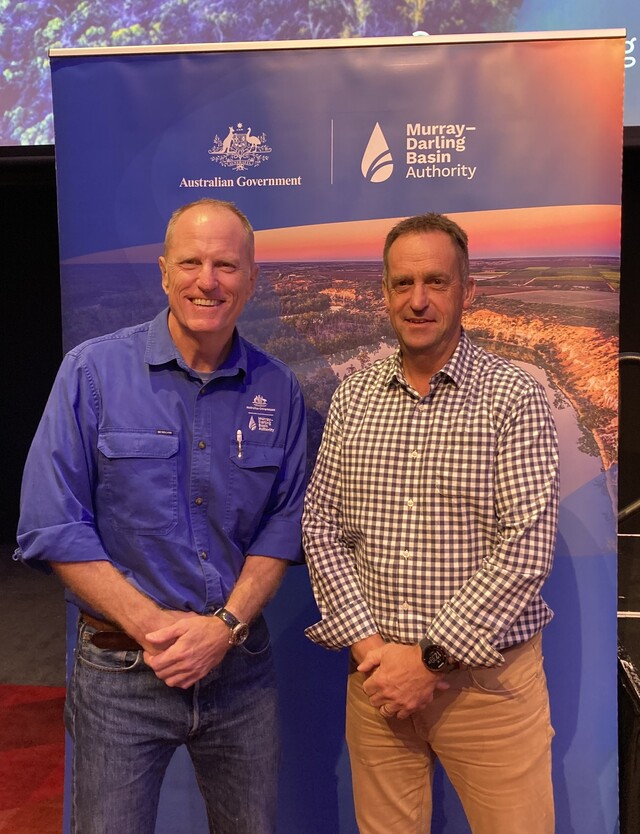
Grain Producers Australia chair Barry Large co-signed the letter and insisted “Australian producers take biosecurity seriously on our farms every single day”.
“That’s why we already pay significant amounts to fund biosecurity protections directly within our own businesses,” Mr Large said.
“We also pay directly through other compulsory industry levies that raise hundreds of millions of dollars – including biosecurity levies.
“We have been calling for increased funding and protections to make the system better and fairer for producers with increased accountability and shared responsibility, but this proposal in its current form is grossly unfair and fundamentally flawed and needs to be reversed.”
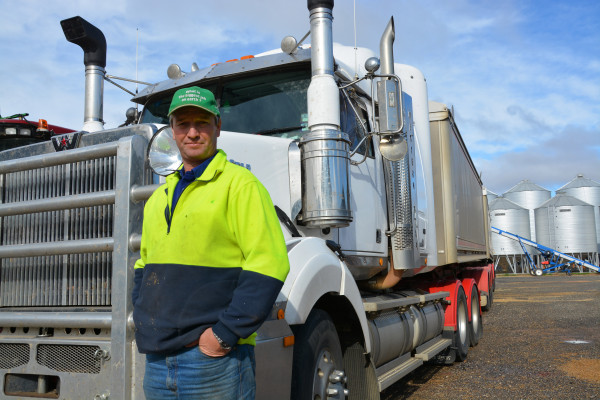
GPA southern director and research and development spokesperson Andrew Weidemann said he was concerned there wasn’t any clear oversight of the funds raised for producers.
“Already 1.02 per cent of a grower’s grain cheque is taken for compulsory levies, to fund programs in partnership with growers through the Grains Research and Development Corporation, Plant Health Australia and the National Revenue Survey,” Mr Widemann said.
“Instead of another tax disguised as a levy, growers should be given a say on whether we can put more levy funding into PHA for grains-specific biosecurity activities, which has well-established mechanisms and initiatives in place.”
Senator Watt has said the levy was “very modest” and would help “meet the costs of sustainably funding our biosecurity system”.
“I acknowledge that many producers invest in on-farm biosecurity as well as indirectly through industry-led agricultural levies supporting research and development, marketing, residue testing, and levies received by Animal Health Australia and Plant Health Australia,” he said in response to a petition last year.
“However, producers do not contribute directly to the cost of the Commonwealth biosecurity effort to prevent pests and diseases entering Australia.”