IS it here?
Virtually, we’re told.
But even if it is here, how would we know?
Virtually no idea.
Or, as they say, don’t fence me in – unless I’m the sheep or cattle.
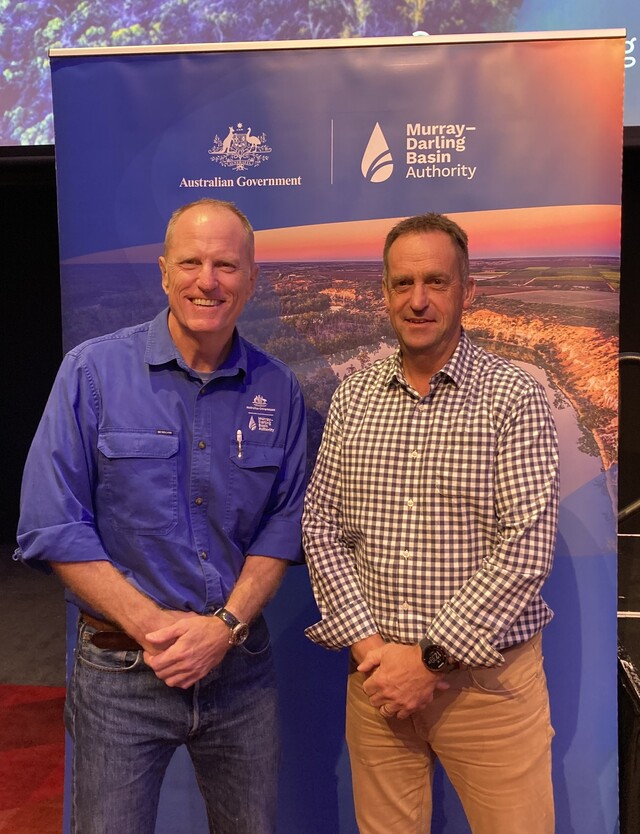
Mallee Sustainable Farming managing director Jenny Garonne says farmers have been waiting years to see the invisible – the virtual fence.
Ms Garonne said many farmers were pinning their hopes for everything from revolutionising livestock management to eliminating the need for traditional fences.
She said there was no question this transformative technology promised to improve efficiency, reduce costs and enhance environmental sustainability.
“But the big question remains – how much closer are we to seeing virtual fencing in a commercial setting, especially for sheep?” Ms Garonne said.
“Virtual fencing is already making significant strides in cattle farming, offering many benefits, including enhanced ground cover management and increased feed efficiency.
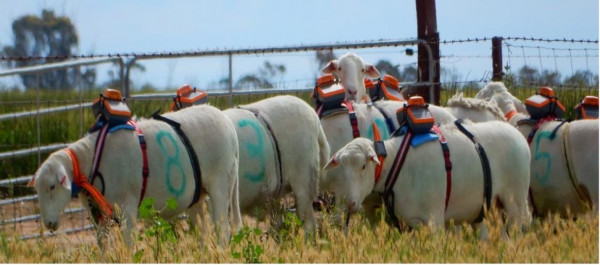
“Now Rick Llewellyn, from CSIRO, has joined us to share insights on the groundbreaking trials, including successful sheep management at Lameroo, in the SA Mallee, using prototype devices.
“Although these devices are not yet commercially viable for sheep, the trials affirm the feasibility of the concept.”
Virtual fencing technology is more advanced for cattle, with about 1000 farms already benefiting from it commercially.
Innovations by companies such as Gallagher and Halter have been paving the way, particularly in dairy farming, setting the stage for broader applications. This progress is crucial as it demonstrates the commercial potential and sets a foundation for future developments in sheep farming.
Beyond improved livestock management, virtual fencing offers substantial environmental perks.
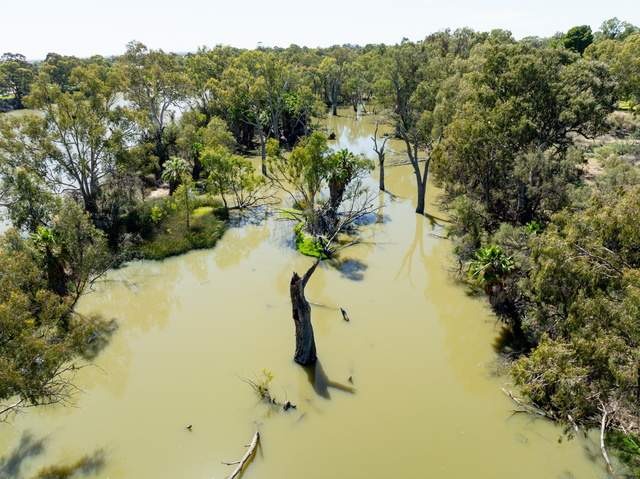
It can help protect riparian zones, curb erosion, and manage ground cover more effectively, while cutting down the high costs associated with traditional fencing.
This technology holds promise for the sustainable farming practices essential for long-term agricultural success.
Ms Garonne said its possibilities for sheep farming were particularly exciting.
Although it is still in early development, she said ongoing research aimed to refine the technology to be smaller, lighter and more cost-effective.
“The ultimate goal is to extend the same control and efficiency observed in cattle farming to sheep farming,” she said.
“This would be a game-changer for farmers, especially in low rainfall mixed farming environments like ours.”
Gallagher said a virtual fence could be created in its eShepherd software and sent to the animals’ neckbands.
Animals wearing it are trained to understand and stay within virtual boundaries.
A Gallagher spokesman said when an animal approaches the fence, the neckband emits an beeping cue.
If the animal ignores the cue and continues towards the fence, the neckband delivers an aversive, but harmless, pulse.
He said eShepherd cues were automated, predictable and avoidable, so animals could quickly learn to respond to the audio cue alone.
“Training takes between two and seven interactions with the fence, and depending on the mob size this can take between 48 hours and one week,” he said.
“Smaller mobs are trained more quickly as they all tend to interact with the fence quicker.
“Moving and fencing livestock is no longer dependent on where you can get a fence line.
“eShepherd allows you to monitor, move and contain livestock anywhere on your farm, breaking down those difficult to fence paddocks into smaller grazing cells to run a more efficient and thriving pasture-based system.”
The company says technology is a solar-powered, GPS-enabled livestock neckband that enables farmers to simply draw a virtual fence anywhere on their property and cattle learn to move with, and remain within, the virtual barrier.
Mr Llewellyn’s podcast at www.omny.fm/shows/msf-farm-talk/fence-free-farming-the-future-of-livestock-managem