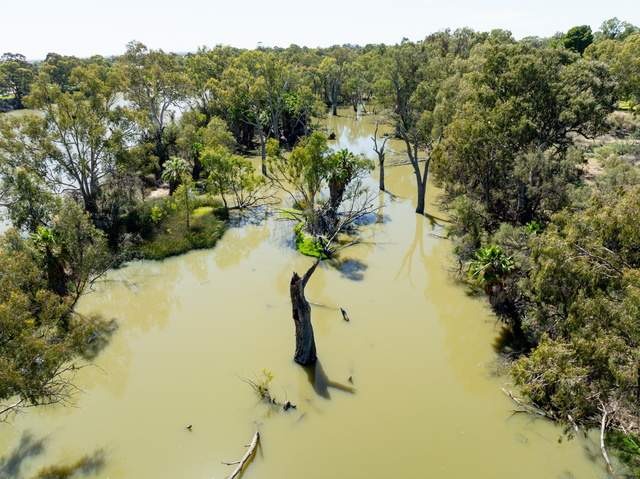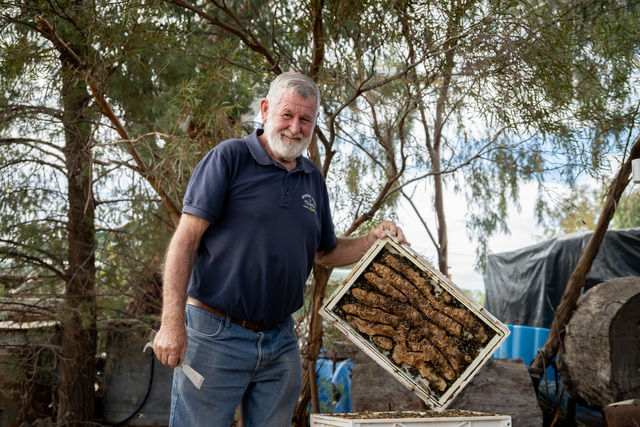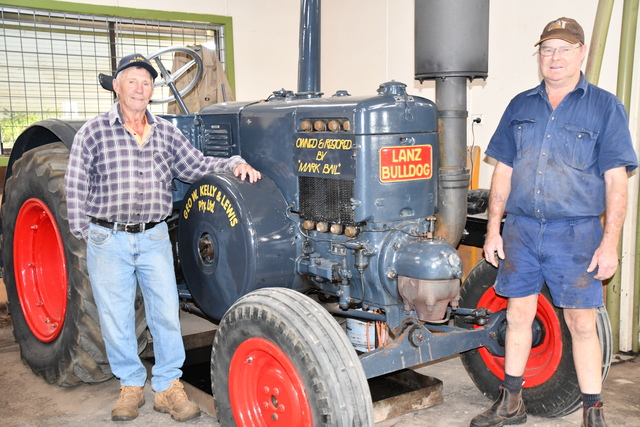
AS floodwaters have receded and pastures started to dry out along the Murray – from Kerang to the South Australian border – producers will be taking stock of their losses.
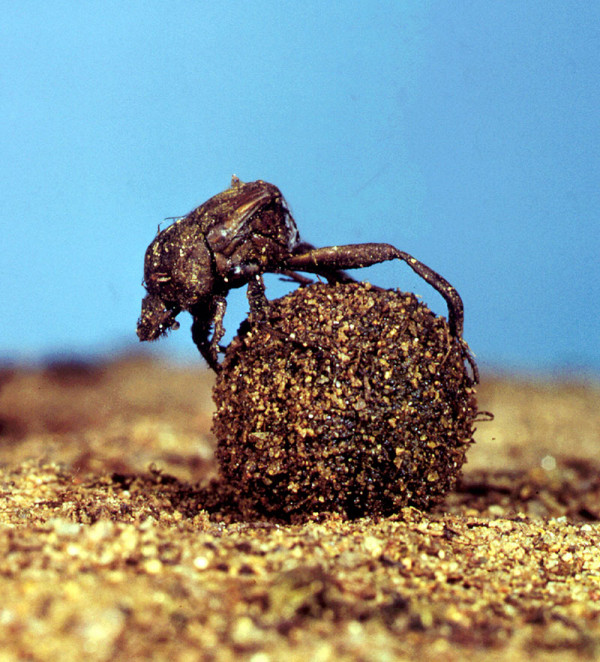
However, often some of the important contributors to our farms are the ones we don’t always notice – such as dung beetles.
The impact
THE recent flooding of low-lying pastures across southern Australia has led to the death of billions of dung beetles.
Warm weather and wet soil make for great pasture – however, without dung beetles to clear manure, the impact on pastures and the wider environment will be substantial.
With flies, internal parasites and dung affecting new growth, pasture improvement and maintaining healthy waterways will be major challenges for producers this year.
Dr Russ Barrow, leading researcher on the Dung Beetle Ecosystem Engineers project, says all dung beetles, regardless of their stage in the life cycle, are set to be impacted.
“Unfortunately, this flooding will have been too much for adult beetles, larvae, even eggs. The losses will be huge and perhaps not really felt until next season,” he says.
Dr Barrow says recent monitoring across Victoria, NSW and SA, has helped identify the losses and how they will affect producers.
“Producers in these areas will see reduced numbers of autumn, winter or spring active species emerging later this year.”
How to help
DR Barrow says researchers, producers and local groups can work together to restock our smallest livestock.
“Ideally, our response should be a collaborative and regional program of restocking of all the key species back into these areas over the next year,” he says.
“However, it’s not cost effective or practical for each producer to individually manage the level of restocking that will be needed – so we’re calling on local Landcare and grower groups to organise co-ordinated programs.”
Steps producers can take
MONITOR – Get out with a shovel and a bucket of water and check what is still around. Find a target manure pile and scoop the whole pad (and a few centimetres of soil) into a bucket of water. The beetles soon float to the top and can be scooped out. Use the handy regional guides to identify what dung beetle species you have and note the numbers. If the region you’re in doesn’t have a regional guide, contact Ecoinsects and they will be able to let you know what beetles are in your area.
Restock – January and February are peak season for summer active beetles, so if you don’t find many dung beetles (you should be seeing hundreds in each dung pat), supplementing existing numbers will be necessary. Remember, this year’s summer beetles will soon be mating and producing offspring for next season, and without those, you could be facing many years without beetles.
Collaborate and co-ordinate – Talk to your neighbours and the local Landcare or grower group to organise a program of dung beetle restocking. For many areas, this will mean up to eight species need to be sourced over the next year and distributed in colonies large enough to establish across the region.
Get some expert advice – Ecoinsects will be running a series of free online workshops in the next three months. The dates are February 28, March 21 and April 4. Each webinar will run from 5-7pm AEDT and will provide a brief introduction into dung beetles before diving into the challenges of what flooding does and what to do next. Register your interest at enquiries@ecoinsects.com.
Further details from Dr Russ Barrow at Russ.barrow@ecoinsects.com or 0411 567 871.
KEY POINTS
• Recent flooding has led to the death of billions of dung beetles across southern Australia – researchers are hoping to work with producers and local groups to boost restocking efforts
• Producers can help by assessing their pastures and supporting the surviving dung beetles
• Expert advice on dung beetle recovery will be available through upcoming Ecoinsects webinars.