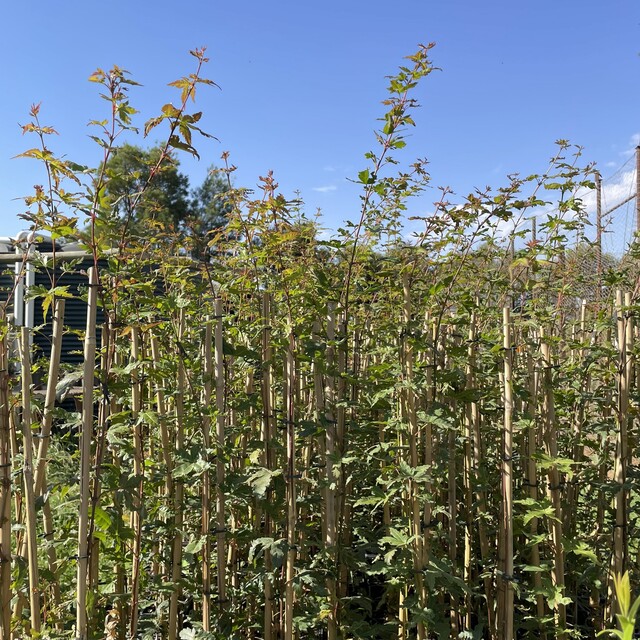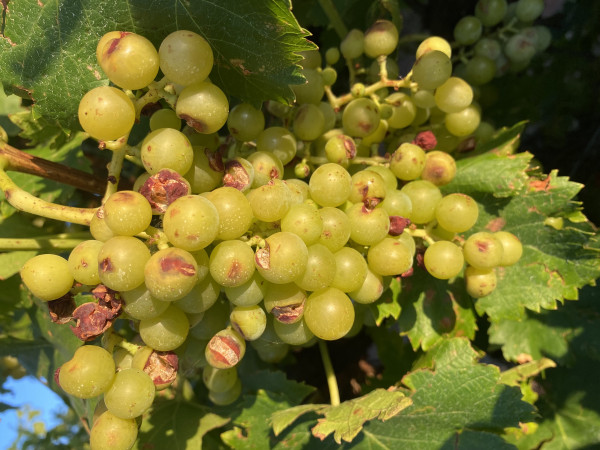

FOLLOWING a testing growing season – with extreme disease pressure, followed by a nasty hail storm last month – we are at last nearing harvest for the early varieties.
Although it follows this will see a much later start to harvest than we are used too.
Right now we are hoping to get into the sauvignon blanc shortly, with the pinot gris and tempranillo soon after – although it would be seriously helpful if the significant rain event forecast for March 9 turned out to be very insignificant. Or doesn’t eventuate at all.
I’ve gone through the annual machinery checks (which had me chasing a few critters out of the grape harvester) and have it all just about ready to tackle another vintage.
The problem pigeons, which seemed to have staked a claim on the shed as their permanent residence, suddenly disappeared at around the same time as action was being undertaken to also relocate some of the squadrons of problem crows and starlings were showing an unhealthy interest in the columns of ripening grapes.
What can already be confirmed at Tresco West Vineyards (and many others I don’t doubt) is this year the overall intake of wine grapes crushed will be well down – which does have a silver lining in that it should allow the industry to help address some of the oversupply issues.
But at least one hangover from the oversupply – and general market conditions – is seeing some of the prices currently being offered this year.
Put simply, they are just cruel and unjustified.
Most of the winery’s costs are non-variable, but when it comes to the grape price it can be significantly reduced to give them leverage.
Perhaps this year we will only pay half our shire rates because our road is still only single lane, since it was first sealed 55 years ago!
With fewer vines in the district carrying fruit this season, because of those disease issues, I’d say it means the number of birds now lining up to view the remaining fruitful areas as their personal smorgasbord has more than tripled this year.
Those extra squadrons of starlings and crows have already moved in on my vineyard, so I have ordered a couple of elaborate bird scaring devices attached to very large balloons, which sit above the vineyard to scare the bejesus out of the birds.
The bloke from the ACME Bird Pissofferer Company said they would send the devices already assembled and for us to keep an eye on the horizon for the balloons.
Hopefully, by the time you read this, they will be airborne.
Talk again next month, but in the meantime, keep talking to your mates, it’s important.
.