OPINION – Andrew Mole
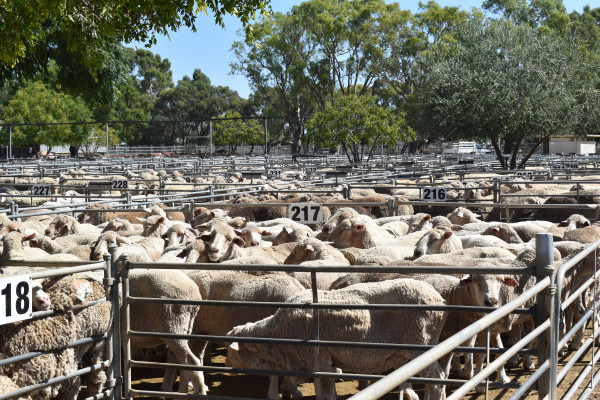
MALLEE saleyards have been left up in the air with growing reports meat processors are planning, or have already launched, significant discounts against lambs with grass seeds in carcasses being sold through the livestock exchanges.
It is believed some processors have built penalties as high as $2 per kilogram into their over-the-hooks contracts this season.
Penalties of that size could mean price cuts of more than $50 for a 30kg lamb in the current market conditions.
Seed damage – especially with speargrass and corkscrew – is a very grey area when it comes to sales under the hammer.
The auction system – from livestock to real estate and almost anything in between – has been built on the traditional case of caveat emptor (buyer beware), which has always attached to auction sales.
Once the hammer falls, it’s yours, lock, stock, barrel and burrs.
Industry commentators say this latest action is so new there is no clear answer in the market about whether ownership and liability does change hands from producer to processor at the fall of the hammer in the case of carcass damage.
Sheep sold through the Swan Hill Livestock Exchange are offered and sold under the terms and conditions set out by the Australian Livestock and Property Association.
But at this stage it has not provided a public position on the question.
There is no reference to the issue on its website and The Weekly Times reported its request for clarification drew the following response: “Thank you for reaching out to ALPA regarding grass seeds in lambs in southern markets; however ALPA respectfully advises that we do not wish to submit any comment on this matter.”
A position the paper rightly points out only adds to the increasing confusion for vendors, agents and buyers because it is ALPA’s own document that underpins the framework of selling livestock by auction “and it should know the legal strength of its terms and conditions”.
Under ALPA selling conditions, clauses include the following:
“The warranty of a vendor is that livestock and their companion animals are offered for sale at auction:
● Pass government and other regulatory authority requirements and inspections at the time of slaughter; and
● Are of merchantable quality.”
Clauses that previously stood the test of time suddenly look very grey and rubbery – especially once opposing parties go for lawyers at 20 paces.
The terms “merchantable” and “inspections at the time of slaughter” will now need to be quantified to protect everyone along the production chain.
We understand a small number of claims has been made in the past few months, but if so they raise many more questions than answers, including how the extent of carcass damage is benchmarked – who actually gets to set the claim standard – and the impact of transport and lairage once the sheep have changed ownership hands.
Other challenges raised by this latest potential industry shake-up include retrospective penalties.
Can producers – either directly or through their agents – be forced to refund money if a claim is made days, or weeks, after the sale?
Seed issues are a seasonal risk for the industry and always have been – just look at the wool industry and its endless fight with contamination.
But when the major downstream players start talking major discounts, they must become urgent items on the industry agenda and need to be clarified sooner rather than later, and then enshrined in selling conditions to protect everyone from paddock to plate.
Obviously this is something producers and their agents will need to explore further, along with the rest of the industry. It should also require processors to sit down at the same table instead of simply launching a series of penalties that are as grey and undefined as the terminology in the auction system.
Saleyards remain a vibrant and essential part of the livestock industry and the last thing anyone in the production chain needs right now is a major showdown between producer and processor without some calm, rational conversations to get it right and make sure everyone benefits.