Inflation risks are over inflated

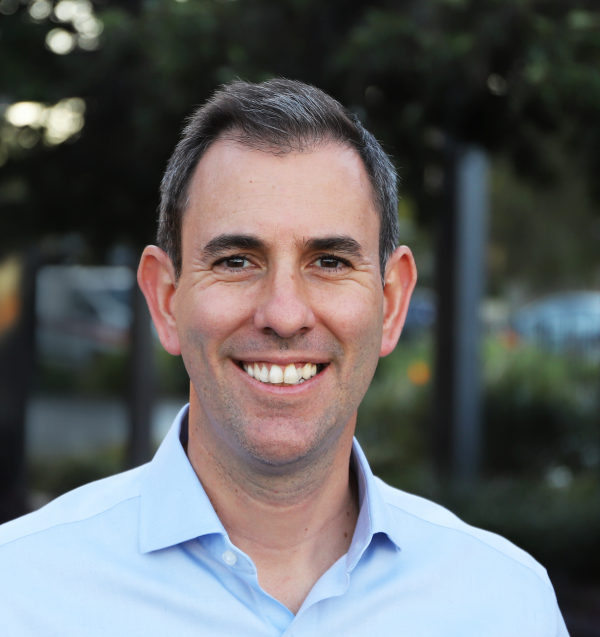
ANYONE who has listened to the new Federal Treasurer Jim Chalmers talk about rising inflation would be forgiven for thinking he had just discovered fire.

Mr Chalmers, like a deer in the headlights, talks of gloom and doom about rising “inflation” caused by, as he likes to put it, a “lost decade”.

Of course, the blame is diverted to the former Coalition Government who were, of course, directly responsible for the global pandemic and starting the war in Ukraine.

Everyone knows that the prices of everything from a carrot to a car have gone up – especially in the past 12 months.

It’s amazing what a global pandemic, a war in Europe and systematic supply chain shortages can do to the price and delivery of goods and services.

Economics 101 provides that inflation is caused by either supply and demand or cost pressures. Where demand outstrips supply the price goes up.

If the cost of production rises, the price of goods and services go up.

Labor’s solution to these inflationary pressures, which are occurring worldwide, is to try to force wage increases on employers who are already struggling to recover from the pandemic, managing staff shortages and supply chain disruptions.

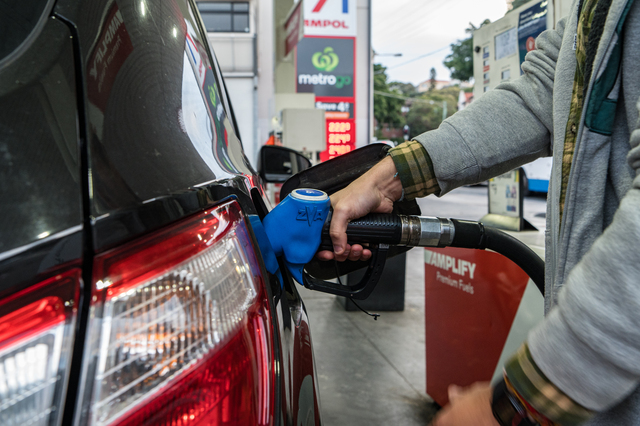
Add in increases to electricity and fuel prices, and it is a perfect storm.

While wage increases sound like a good idea, at times like these, they actually add fuel to the inflationary fire by further increasing supply and demand pressures and also the costs of production.

The last time the world saw similar inflation spikes was in the 1970s caused by OPEC restricting the global supply of oil that led to global fuel price shocks.

Governments around the world took measures to insulate themselves from being totally dependent on international fuel sources. The lessons learned in the 1970s have now been forgotten and Australia like the rest of the world is playing the price again.

There are many measures governments can do to try and counter rising inflation, but only if the causes of the inflation can be controlled.

If you take out the global pandemic and the war in the Ukraine, Australia’s inflation rate would be around 2 per cent like it was in 2019 – prior to COVID-19. Inflation is predicted to hit 7.7 per cent by the end of this year but will be back down to 2.75 per cent by 2024.

One of the biggest risks to Australia is the knee-jerk reaction to inflationary pressures which has led to the Reserve Bank jacking up interest rates which will place a further downward pressure on investment and growth.

Monetary policy measures only work when global supply chains are running properly – at the moment they are anything but.

Our other biggest risk is every time Mr Chalmers opens his mouth and talks down our economy and up his ability to manage it.
Digital Editions


  • Ricegrowers backs review

    Ricegrowers backs review

    The Ricegrowers’ Association has welcomed the start of a 12‑week consultation on the Murray–Darling Basin Plan Review. RGA president Peter Herrmann said industry would take…

More News

  • Big crop predicted for almonds

    Big crop predicted for almonds

    The almond harvest is underway and 2026 could produce Australia’s largest almond crop. Nationally it’s estimated that almost 167 thousand tonnes will be harvested this year. That’s a seven per…

  • The calm before the storm

    The calm before the storm

    We appear to be bogged down in a rut, with the commissioning of our new plant. I was super frustrated a couple of months ago – at the spanner throwing,…

  • Backpacking paves the way to leadership

    Backpacking paves the way to leadership

    Purchase this photo from Pic Store: 531373 SUNRAYSIA’s summer harvest attracts travellers on working holidays from all over the world, particularly Europe. These workers perform a vital service for regional…

  • Warm weather set to continue

    Warm weather set to continue

    BARLEY prices are supported as drought speculation builds, with growers holding onto grain for livestock feed. The Bureau of Meteorology January drought statement showed below-average rainfall for much of Victoria…

  • Growers warn of fallout from visa cuts

    Growers warn of fallout from visa cuts

    UNPICKED crops, decimated rural communities and higher supermarket prices are among the consequences that could unfold if One Nation’s anti-immigration policy were to be implemented, farmers and experts have warned.…

  • Grape harvest underway

    Grape harvest underway

    Harvest has begun with our first loads of Chardonnay and Pinot Grigio. Reports of lower yields following the ongoing heat are common, although with the worldwide oversupply of wine, this…

  • Grant strengthens cattle and red meat industry

    Grant strengthens cattle and red meat industry

    Purchase this photo from Pic Store: 528596 Meat and Livestock Australia (MLA) in partnership with industry peak bodies, has secured a grant from the National Foundation for Australia-China Relations to…

  • Safety a priority

    Safety a priority

    EVERY farmer deserves to come home safely at the end of the day. That is the message at the heart of a new statewide campaign urging Victorian farmers to see…

  • Golden opportunity for future

    Golden opportunity for future

    THE Victorian Farmers Federation has called on the State Government to make strategic investments in agriculture, saying smarter policy and targeted funding in seven priority areas could supercharge the industry…

  • New initiative for soil diseases

    New initiative for soil diseases

    THE Grains Research and Development Corporation has recently launched a new initiative aimed at addressing economic strain from soilborne crop diseases. The Soil-Borne Disease Initiative is a five-year program that…