Importers, not farmers, must pay for risks

MORE needs to be done to protect Australia’s biosecurity but taking more money from Australian farmers is not the answer.

This is the position of representative body NSW Farmers, which says the federal government needs to force importers to pay for the biosecurity threats they create.

In the wake of the deadly varroa mite spreading across bee colonies in NSW, including being detected recently in hives at Balranald and Euston, eradication of the pest has been declared no longer possible.

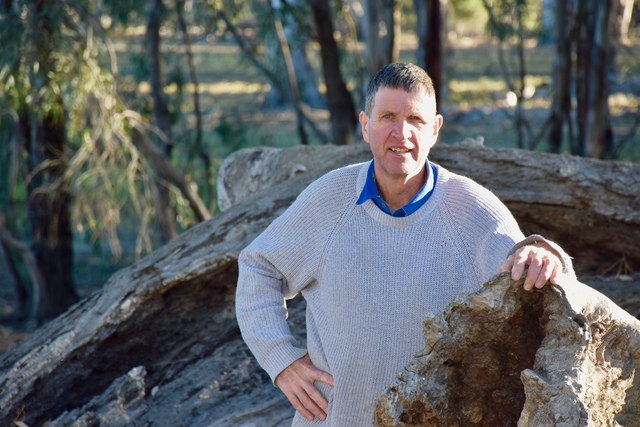
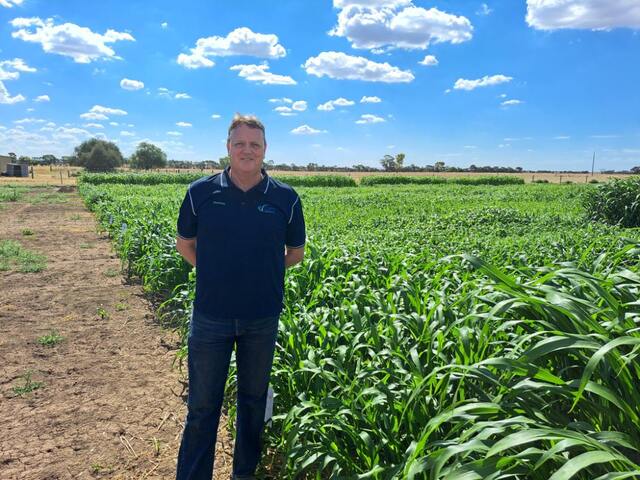
NSW Farmers biosecurity committee chair Ian McColl said the outbreak was demonstrative of just how much of a risk exotic animal and plant pests and diseases was.

“We have had a practical demonstration of how difficult biosecurity control efforts can be with varroa mite – despite our best efforts, Australia now has to live with another costly biosecurity failure,” Mr McColl said.

“This underscores how critical detection and prevention is.

“We need all governments appropriately resourcing biosecurity efforts to maintain strong protections at the border.”

But to help create extra funding for these biosecurity measures, the government is currently consulting on a new biosecurity protection levy which will apply to primary producers from July 1 2024.

The levy will be charged to agricultural, fisheries and forestry producers and is intended to collect around $50 million per year, which will be allocated to maintain the Commonwealth biosecurity policy, operational and technical functions.

Mr McColl said the levy should be imposed on importers, rather than farmers themselves who have to bear the brunt of biosecurity breaches.

“Our members have been quite clear that increased biosecurity funding is essential but it should take into account who creates the risk and who already pays,” he said.

“Taxing farmers who are at ultimate risk of biosecurity breaches is not the way to move to improved biosecurity outcomes, especially when that tax might simply fund administrative functions of the federal department and not increase biosecurity prevention, preparedness or response capabilities.”

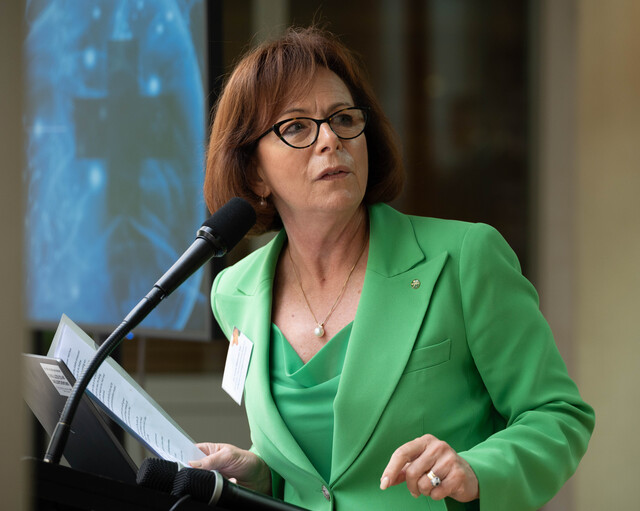
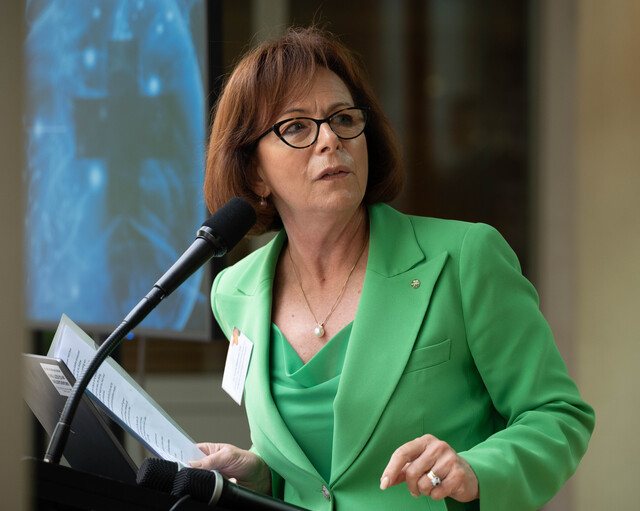
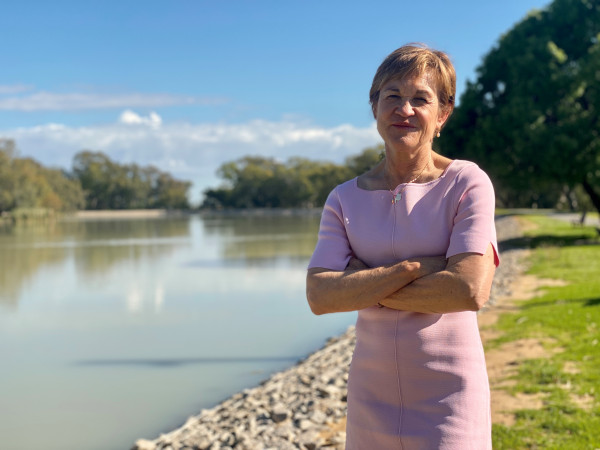
Independent Member for Murray Helen Dalton has expressed her support for the representative body, opposing the biosecurity protection levy in its current form.

“Clearly, it is importers who should be paying the costs for our biosecurity,” Mrs Dalton said.

“Asking farmers to pay for it is just not on.

“It’s not farmers who are making big dollars from importing this food.

“It’s not farmers who are importing biosecurity risks such as varroa mite.”

Mrs Dalton was also sceptical that any levy that farmers paid would actually go towards improving biosecurity outcomes.

“It may end up paying for more bureaucrats and more paper shuffling,” she said.

“Farmers should not be paying for improved biosecurity, when they are already paying for the serious failures in biosecurity that we have seen recently.”
Digital Editions


  • Collection under the hammer

    Collection under the hammer

    AN eclectic curation of vintage and antique Australian pastoral machinery and memorabilia will go to auction on 1 February. Yvon Smythe and her late partner,…

More News

  • Calls flow for royal commission

    Calls flow for royal commission

    Purchase this photo from Pic Store: 524159 AUSTRALIA needs a royal commission into water management in 2026, according to Murray MP Helen Dalton, who says politicians are “destroying” the nation’s…

  • Big skies and farmscapes

    Big skies and farmscapes

    Purchase this photo from Pic Store: 524028 THE Gallery Balranald is currently showcasing the work of professional artist Graham Hearn. His latest exhibition, Big Skies and Farmscapes, reflects the vast scale and…

  • Difficult outlook for grape growers

    Difficult outlook for grape growers

    Murray Valley Winegrowers has acknowledged the findings of Wine Australia’s Australian Wine Production, Sales and Inventory Report 2025, which confirms the challenging market conditions facing growers. The newly released report…

  • Benham appointed to new ag role

    Benham appointed to new ag role

    The Nationals member for Mildura, Jade Benham, has been appointed Shadow Assistant Minister for Agriculture and Regional Development, as part of Jess Wilson’s new Shadow Cabinet announcement. Ms Benham said…

  • Connecting urban and rural Australia

    Connecting urban and rural Australia

    HAMISH McIntyre grew up on the land in Queensland, learning the rhythms of farming from his family. Today, he runs a sprawling family business across the St George, Dirranbandi, Quilpie,…

  • Farmers warned to stay alert

    Farmers warned to stay alert

    A RUN of booming haystack and shed fires across regional Victoria has sparked fresh warnings for farmers as hay season rolls into full swing. Fire crews in the west and…

  • Bumper harvest fuels Cobram Estate’s growth

    Bumper harvest fuels Cobram Estate’s growth

    COBRAM Estate Olives has reported one of its strongest years on record, with an exceptional “on-year’’ harvest in Australia driving improved earnings, higher production volumes and a confident outlook from…

  • Select Harvests’ cracking pace

    Select Harvests’ cracking pace

    SELECT Harvests Limited has released its 2025 business update, reporting a final almond crop estimate of 24,700 tonnes, slightly below the midpoint of its earlier forecast. The company says the…

  • Further water buybacks anger farming industry

    Further water buybacks anger farming industry

    FARMERS, politicians and advocacy bodies are warning further water buybacks announced last week will gut regional towns, drive up food prices and cripple Australia’s dairy heartland. Federal Water Minister Murray…

  • Farmer takes action in feral pig fight

    Farmer takes action in feral pig fight

    IN THE heart of south-western New South Wales, sheep and cattle farmer Colin McCrabb is waging a quiet war against a destructive and elusive enemy -feral pigs. Operating a 6800-hectare…