MANAGING the natural resources on a livestock property is critical to the long-term productivity and sustainability of an enterprise.
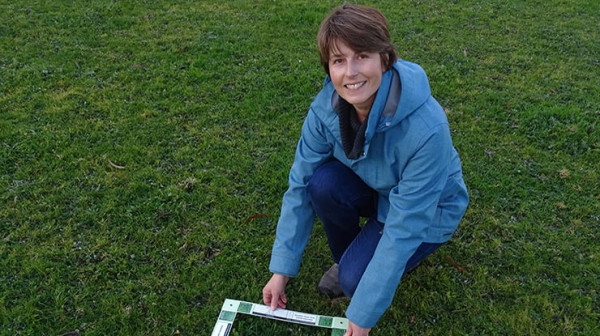
There’s never a better time than now to start paying attention to your property’s natural assets and how they can be managed for long-term profitability and sustainability, according to Southern Farming Systemsʼ manager – soils, pasture and livestock, Lisa Miller.
“One of the examples of the production gains that can come from managing your natural resources is good soils, which are a huge asset to your grazing enterprise,” Lisa says.
“You can also get the satisfaction of looking after the land as well,” she says.Her top three strategies are:
1. Monitor ground cover
Ground cover management maintains good soil across low and high-rainfall environments.
“Ground cover has several functions, including preventing wind erosion – which can take away many nutrients and organic carbon – and water erosion, which can really cause a lot of soil to wash off,” Ms Miller says.
She recommends aiming for 70 per cent or more ground cover on flatter areas and 90 per cent ground cover on slopes in high-rainfall zones, while striving to achieve as close to these levels as possible in lower rainfall zones.
Adjust stocking rates accordingly and employ grazing strategies such as rotational grazing to maintain ground cover.
“Those ground cover targets will become triggers for getting stock off pastures or to perhaps put stock into areas where there is more ground cover, or confinement areas.”
2. Fence strategically
Planning property layout and fencing paddocks according to soil type or vegetation can assist with managing grazing pressure to protect soil and pasture health.
“Fencing to land class can help you with your grazing management, as different areas require different management,” Ms Miller says.
With light-textured soils, you lose ground cover a lot quicker than heavier soil types, as they can’t hold onto as much moisture and they’ll dry out more quickly.
“Dividing off different soil types is a good idea because you can match pasture species to their preferred soil conditions and strategically graze that pasture to ensure its persistence and soil protection.”
3. Consider confinement feeding
Confinement feeding during seasonal feed gaps or dry conditions is an option for producers who need to maintain ground cover and protect their natural assets.
“Confinement feeding has been a real bonus for many producers – they’ve found it’s much more time-efficient than having to feed many individual mobs across the farm and it provides a solution to maintain ground cover during that time.” Act now to safeguard the futureLisa urges producers to get on the front foot and start implementing these strategies now to reap the many benefits of maintaining a healthy natural resource base.
“Always plan prior to having to act on something – like a drought,” Ms Miller says.
“It’s all that prior planning that goes into setting up the farm that helps to protect your natural assets.”