THE full cost of the floods to Victoria’s farmers is being totalled by Agriculture Victoria – and it’s not good news.
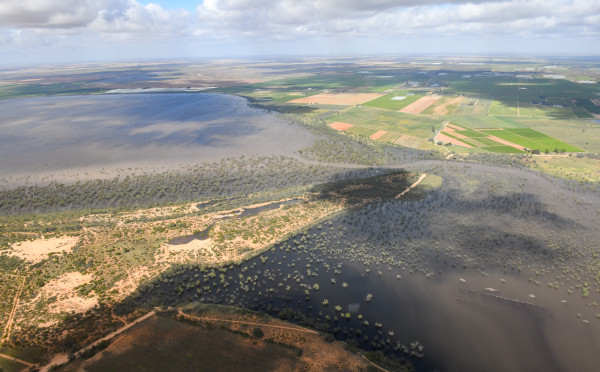
At the start of this week 484,475ha had gone under water, along with almost 12,000km of fencing.
The toll of livestock is 15,489 reported dead, with a further 1935 missing.
Of the almost 500,000ha inundated, Agriculture Victoria says 214,289ha of crops have been lost and 161,086ha of pasture ruined.
More than 5000 tonnes of stored grain and 144,355 tonnes of hay or silage have been destroyed.
The flooding started in October and continued its march north through Benalla and Seymour before smashing Rochester.
The flood peak then continued its surge down the Murray, with tributaries and creek systems feeding the spread of damage in the following weeks.
The damage flowed through to the honey industry, with 975 hives being destroyed and a further 2074 needing feeding because of lost pollen opportunities. At least 208 tonnes of honey have been lost.
Financial support for flood-affected farmers has been made available by the Victorian Government.
An Agriculture Victoria spokesperson said more than 27,000 outbound telephone calls had been made to farmers impacted by flooding to assess damage and address any animal welfare issues.
These figures will continue to be updated by damage and loss assessments, which will vary by location and industry.
Victorian Farmers Federation president Emma Germano has told media the number of people affected and the extent of land, infrastructure and crop and livestock losses would only get worse.
“The numbers are sadly staggering and will continue to grow,” Ms Germano said.
“Initial support for the industry is welcome, but we’re in for a long recovery and we need support to match.”
Financial support for flood-hit farmers
Primary Producer Recovery Grants: Up to $75,000 grants to cover the cost of recovery and get businesses up and running again. This replaces the $10,000 primary producer flood clean-up grants announced on October 19. Producers who have received those $10,000 grants can now apply for up to a further $65,000.
Rural Landholder Grants: Up to $25,000 to cover the costs of disaster impacts for small-scale producers.
Primary Producer Concessional Loans: Up to $250,000 to restore or replace damaged equipment and infrastructure, or to cover the short-term business expenses.
Primary Producer Transport Subsidies: Up to $15,000 to support the transport of emergency fodder or stock drinking water, and the movement of livestock.