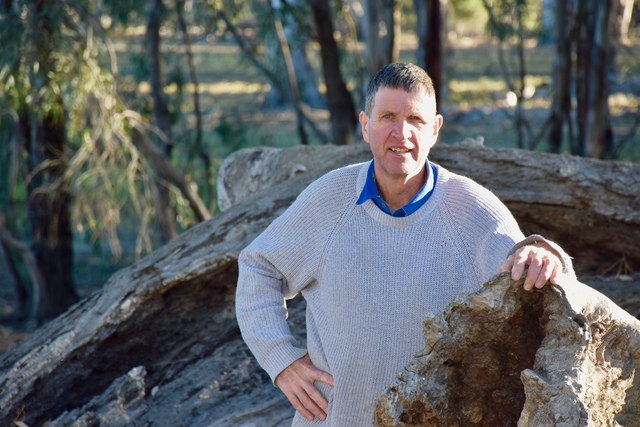
FARMING communities have backed a call for a federal Royal Commission into water, saying it is time to expose the “treachery, lies and shonky deals” behind the Murray-Darling Basin Plan.
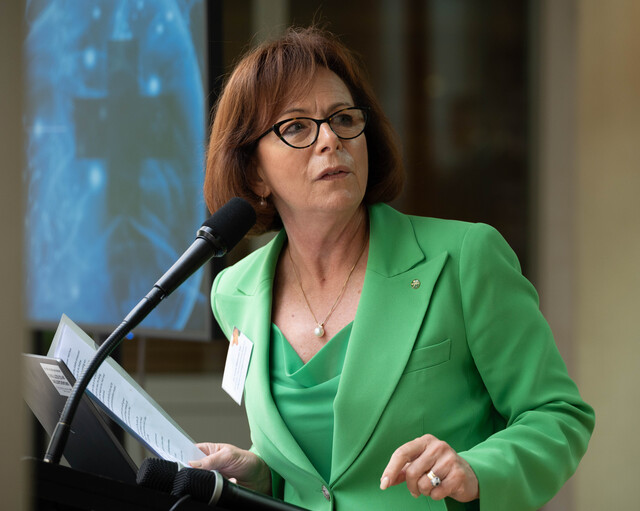
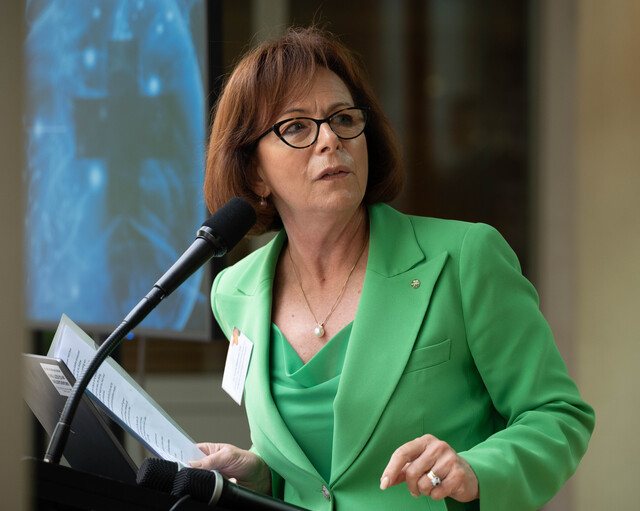
Independent Member for Murray Helen Dalton has renewed her push for a Royal Commission, a move welcomed by irrigators who say rural communities have paid the price since the basin plan began in 2012.
Mrs Dalton in February successfully sought the support of NSW Parliament to seek a federal inquiry.
She also requested the New South Wales Government fully cooperate with a Royal Commission, including the compulsory production of all water modelling, data, licences, compliance records, enforcement actions and intergovernmental agreements.
Mrs Dalton said the Murray-Darling Basin Plan was one of the largest public policy interventions in Australian history.
“It involves billions of dollars of public money and affects millions of Australians, including farmers, Indigenous communities, rural towns, irrigation districts and downstream environments,” she said.
“When reform is that large, the standards must be simple. People must be able to see the evidence, understand the decisions and trust the accounting.
“Yet too often, decisions have felt murky to the communities most affected. Science and modelling are contested. Assumptions are disputed. Accountability is fragmented across jurisdictions. The deeper problem is that trust has broken down.
“Communities do not trust the process. Farmers do not trust the numbers, and the environmental outcomes are disputed. Governments do not trust stakeholders, and stakeholders do not trust governments.
“After massive water recovery and enormous disruption, environmental outcomes remain unclear in the eyes of many basin communities. We still see the fish kills – we have one today. We still see blue-green algae; they are all over the state. We still see river systems under stress.
“We oppose the Murray-Darling Basin Plan and further water buybacks in the absence of clear, independently verified economic, social and ecological outcomes.”
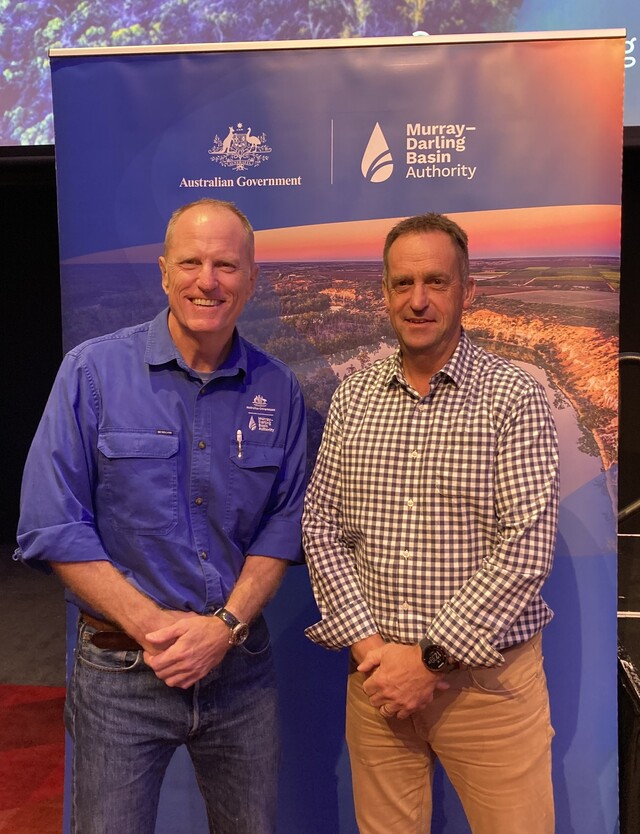
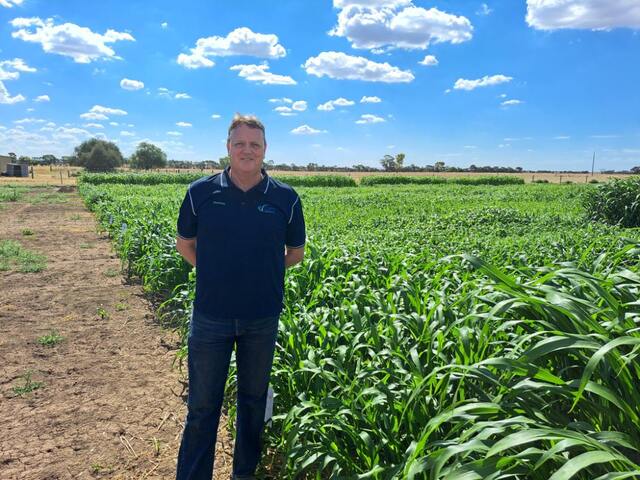
Southern Riverina Irrigators chair Peter McDonald said communities dependent on irrigation had faced years of uncertainty, falling allocation reliability, financial stress and rising costs.
“Helen Dalton has been fighting for water since she was elected and we wholeheartedly support her call for a Royal Commission,” Mr McDonald said.
“The treachery, lies and shonky deals must be brought to light so they can be stopped once and for all and we can see a return to sensible and beneficial water management for our rural communities.”
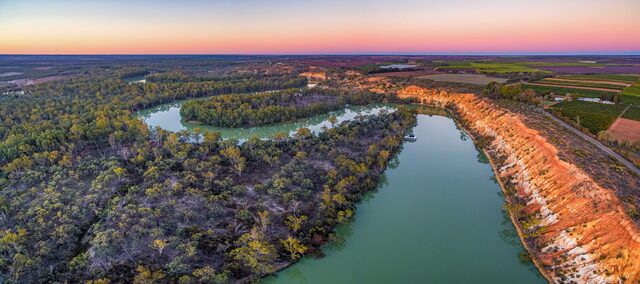
The basin plan sits at the centre of water reform across the Murray-Darling system. But Mr McDonald said its impact since 2012 had stripped water away from productive agriculture and stable food production.
He said the result had been distressed farmers, struggling rural communities, fewer job opportunities and shuttered shopfronts.
“In 2026 we have a review of the basin plan due and it would be perfect timing to line up a Royal Commission,” he said.
Mr McDonald said the Murray-Darling Basin Authority had for the first time publicly acknowledged that some environmental outcomes under the plan were unachievable.
He pointed to targets linked to the Coorong, the Lower Lakes and the Murray Mouth.
“So why are we still pushing ahead with buybacks and other reforms that ultimately rip the heart out of our rural communities, reduce productivity and negatively impact the future of our country?” he said.
Mr McDonald also raised concerns about who could buy and hold water.
“Anyone with a water access licence can invest in water, even if you live overseas and operate a super fund,” he said.
He said the Commonwealth Environmental Water Holder now held more than $13 billion worth of water in what he described as an inflexible portfolio that generated little financial return and questionable environmental outcomes.
“As a nation we are losing billions of dollars a year in lost productivity and the basin environment in general is no better off than when we started,” Mr McDonald said.
“The Coorong is still dying and adding more and more water and wasting it out to sea is not fixing the problem.”
Mr McDonald said Australia needed to reconsider how it managed water on what he described as the driest habitable continent on Earth.
“We live on the driest habitable continent on Earth and we allow this to happen,” he said.
“There have been so many questionable decisions over time and we demand a stop to them all before it’s too late.”