Microbiome delivering maximum results

STRONG roots and fibrous stems have proven hardy resistance to excessive heat, and saved a young nursery from devastating losses.

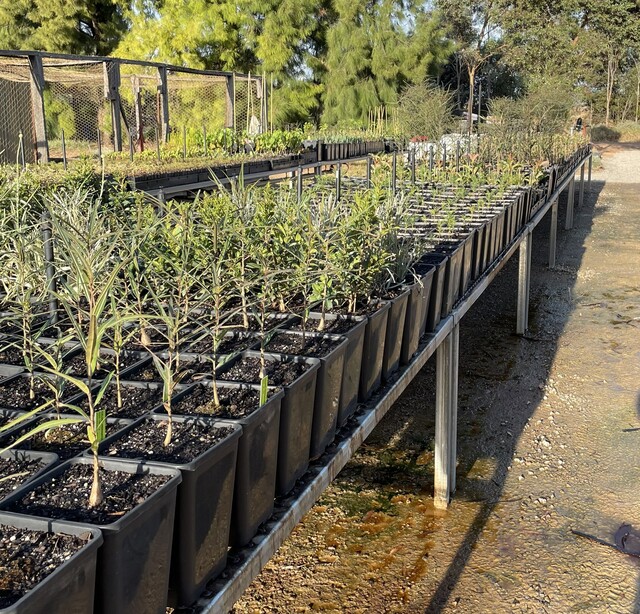
Permaculturist Russell Calder did not lose a single plant through the January heatwave, which he attributed to high carbon and humus content in his soil, along with significant investment in automatic watering infrastructure.

His latest venture into seedling cultivation, utilising his flagship organic worm casting fertiliser, Stimulator, has helped him understand the benefits of complex organic matter in the lifespan of plants.

“It was amazing really, those seedlings were out in the weather, they weren’t covered, and we haven’t lost a single one – they weren’t even stressed,” he said.

“I don’t like to think about it but normally in that heat I would expect to lose 25 to 50 per cent of my stock and for 100 per cent to show some detrimental effect like leaf burn or dieback, but there was no sign of stress.

“It’s the benefits of automatic watering, certainly, but the main thing was regular applications of Stimulator before the heat.

“It encourages the plant to produce fibrous fruits, so the nutrients and moisture are drawn into the plant more effectively, without which they can’t draw in enough and you’re going to lose plants.

“As we are still in the early stages of the Calder Nurseries project, surviving the heatwave made the difference between success and failure.”

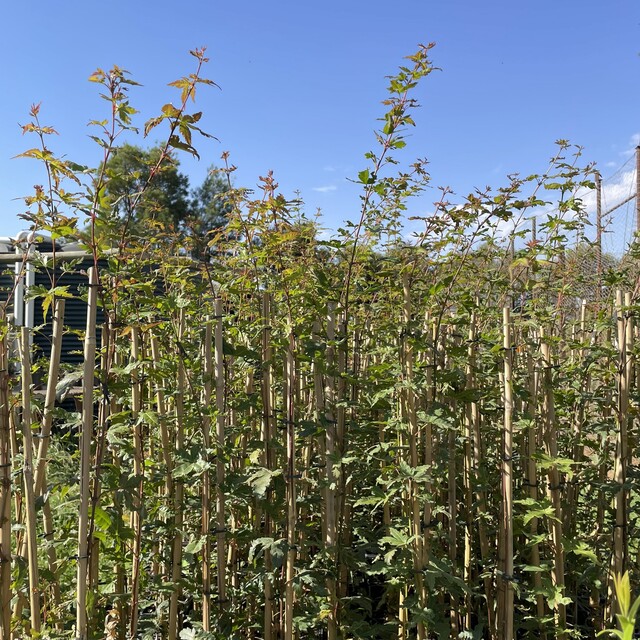
The nursery has more drought-resistant native seedlings, as well as less durable conifer and Japanese maple seedlings which remained unaffected, defying expectations.

“It’s taken me 26 years as a chemically trained greenkeeper to completely understand how and why Stimulator encourages such hardy growth, but I’ve always known the complex microbiology developed through the process of composting manure before feeding it to our earth worms is beneficial for the soil and the plant,” Mr Calder said.

“Stimulator in its dehydrated state is 25 per cent carbon and 25 per cent humus, which is the resultant part of a complete organic breakdown – it’s what plants have evolved to live on over four billion years of recycling nutrients.

“Humus and carbon under normal conditions can take centuries to form, but we’ve inadvertently come across a way of speeding up that process with composting and with the macro and microorganisms in the worm beds, and they have played a much bigger role in the process than I initially gave them credit for.

“Carbon doesn’t produce as much of the visual effects of large bushy leaf growth that you would expect from a nitrogen fertiliser like urea, but it develops strong roots and rich soil that can withstand stress.”

Digital Editions


More News

  • Basin leaders meet as water plan review looms

    Basin leaders meet as water plan review looms

    NEARLY 200 leaders from across the Murray-Darling Basin gathered in Brisbane last week to debate the future of water management, with northern Victorian councils warning food production and regional communities…

  • Nationals push to protect prime farmland with new federal Bill

    Nationals push to protect prime farmland with new federal Bill

    THE Nationals have moved to block taxpayer funding for energy and mining projects on Australia’s best farming land, unveiling a new Bill they say is vital to protect the nation’s…

  • Fuel supply critical for farms

    Fuel supply critical for farms

    CITY dwellers are being urged to swap their cars for public transport and the government to make public transport free as the fuel crisis lingers. Victorian Farmers Federation president Brett…

  • Jujubes jewel

    Jujubes jewel

    Purchase this photo from Pic Store: 535568 THEY look like tiny apples, taste like a crisp pear and carry more vitamin C than an orange. And in the red dirt…

  • Independent actionable research

    Independent actionable research

    MAKING informed winter cropping decisions – based on detailed local research – is what is driving the 2026 Irrigation Farmers Network (IFN) Winter Variety Trials Research Results Discussion Day in…

  • Ricegrowers backs review

    Ricegrowers backs review

    The Ricegrowers’ Association has welcomed the start of a 12‑week consultation on the Murray–Darling Basin Plan Review. RGA president Peter Herrmann said industry would take the time to consider the…

  • Microbiome delivering maximum results

    Microbiome delivering maximum results

    Sam JamesSTRONG roots and fibrous stems have proven hardy resistance to excessive heat, and saved a young nursery from devastating losses. Permaculturist Russell Calder did not lose a single plant…

  • Climate-hardy seedlings

    Climate-hardy seedlings

    DECORATIVE shrubs, trees and ground cover propagated, grafted and grown in Nyah have been designed to withstand harsh Mallee conditions. The centrepiece of the Calder Nurseries Australia collection is the…

  • Review raises concerns over artificial intelligence

    Review raises concerns over artificial intelligence

    Concerns are mounting over the effectiveness of The Murray-Darling Basin Plan Review, with key stakeholders concerned about the use of artificial intelligence. Questions have emerged around the use of artificial…

  • Big crop predicted for almonds

    Big crop predicted for almonds

    The almond harvest is underway and 2026 could produce Australia’s largest almond crop. Nationally it’s estimated that almost 167 thousand tonnes will be harvested this year. That’s a seven per…