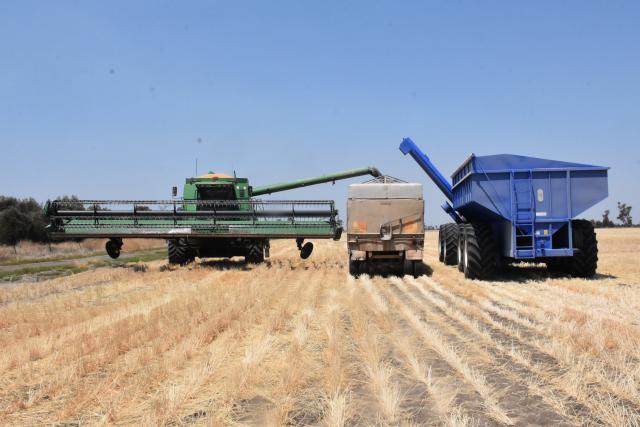
The almond harvest is underway and 2026 could produce Australia’s largest almond crop.
Nationally it’s estimated that almost 167 thousand tonnes will be harvested this year.
That’s a seven per cent increase on the actual intake for 2025.
There are several factors that are contributing to a big crop this year.
The conditions leading up to harvest have been favourable.
Growers are hoping the dry conditions continue so the almonds can be shaken from the trees and collected without too many delays caused by rain.
In addition to the good growing conditions this season, there’s also been renewed interest in almonds from horticulturalists in Sunraysia, the Riverina and Riverland, with some making the switch away from crops that are no longer delivering the financial returns they once did.
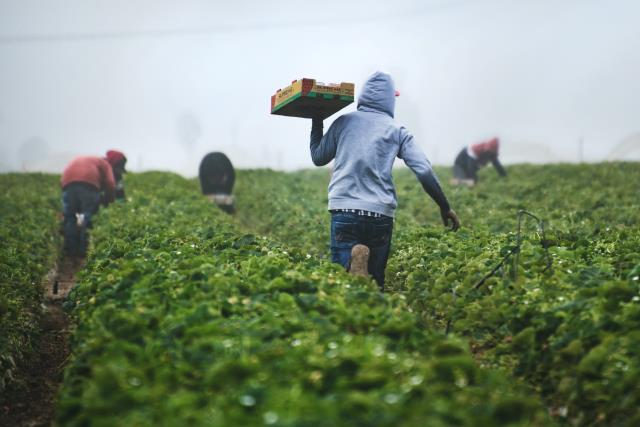
It’s also timely to recognise the workforce that assists with the almond harvest.
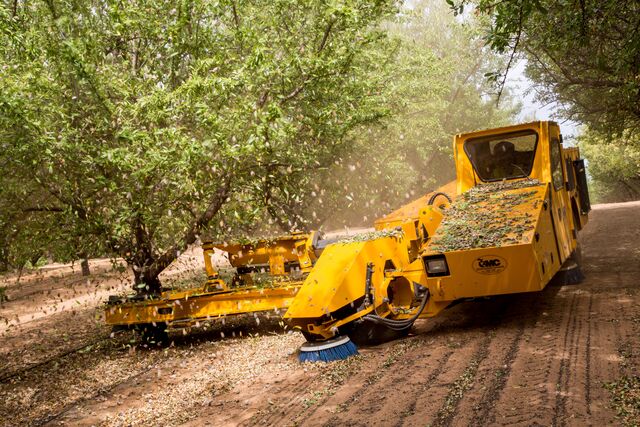
While our industry is highly mechanised, staff are still needed to operate the shakers, sweepers, conditioners and pick-ups.
In Robinvale alone, couples with caravans have travelled from Tasmania, Queensland and South Australia to be involved.
They’ll be in town for at least the next three months.
While some are completing their first harvest, others have been returning for several years.
They describe their contracting team as a family and look forward to working together each year.
We also have backpackers eagerly looking for almond harvesting jobs, as working in agriculture is one way they can extend their stay in Australia.
Once the crop is harvested it will then make its way to processors who have the job of hulling, shelling and marketing what has been grown.
International demand for Australian almonds is still very strong and this was evident at trade shows in Delhi and Dubai in late January.
Our current focus overseas has involved highlighting the versatility and health benefits of almonds.
China remains our biggest market, followed by India and Turkiye.
Premiums for inshell product have led to sales for this product outstripping kernel for the second year in a row.
India and China purchase more than 90 per cent of the world’s almond inshell.