BARLEY prices are supported as drought speculation builds, with growers holding onto grain for livestock feed.
The Bureau of Meteorology January drought statement showed below-average rainfall for much of Victoria and New South Wales in the last 36 months, a decline of some water storages in the eastern and southern states up to 50 per cent to this time last year, and lower than average streamflow at many sites across south-eastern Australia.
The long-range forecast for March to June forecasted autumn rainfall would likely be below average for parts of southern Australia.
In addition to a lack of rain, Walpeup Research and Hopetoun Airport recorded the new Victorian temperature record of 48.9 degrees on 27 January, with Pooncarie reaching 49.7 degrees on the same day.
Temperatures, both maximum and minimum, are expected to remain above average through to June.
BOM indicated root zone soil moisture deficits had expanded and intensified, with much of the Mallee and Riverina recording below and very much below average levels in January.
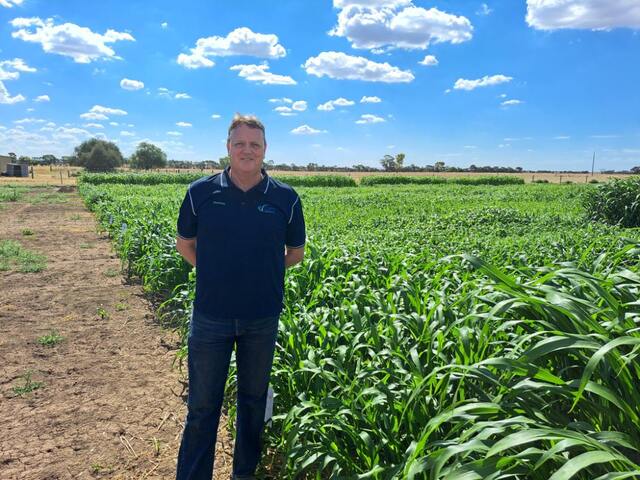
FlexiGrain regional manager Sam Grieve said drought was front of mind for growers heading into March.
“Livestock prices are very good at the moment which is creating a lot of demand for feed in particular, and it’s expected to remain robust going forward,” he said.
“With BOM speculating on El Niño in the outlook, there is the possibility of drought and a lot of mouths that are going to need feeding, which supports barley prices.
“Growers are concerned with the low subsoil moisture, their gross margins are under the pump, and they are working out what they can grow this season, and a lack of subsoil moisture heightens their risk.
“They need rain sooner than later.”
The potential for substantial rain in parts of Victoria next week brings with it the hope for a change.
“We’ve had a long dry spell since November, it’s been hot, and the BOM outlook says that could continue, so rain next week would be very welcome,” Mr Grieve said.
***
Wheat
Wheat market under pressure from global supply
FlexGrain regional manager Sam Grieve has indicated that while the barley market is maintaining a higher demand than supply, the wheat market is saturated.
Wheat outlook: bearish
Ample supplies both globally and locally weigh on markets with no new crop production issues on the radar at the moment.
Global Developments:
The Indian government has recently approved the export of 2.5 million metric tonnes of wheat adding to burdensome global export stocks.
The USDA is forecasting record Argentine wheat export pace.
Initial reports suggest the French winter wheat crop is off to a good start.
Local developments:
The strengthening Australian dollar is making Australian grain exports less competitive and pressuring export margins.
Trade speculation of large stockpiles of unsold grain remaining on-farm across eastern Australia.
Slow grower selling in eastern Australia is supporting local prices above export parity.
To watch:
Unusually warm northern hemisphere weather has broken winter crop dormancy in many regions.
Any potential winterkill events may drive short covering amongst investment funds.
This may trigger short-term volatility in futures markets and opportunities for growers to hedge.
Without a global crop production issue, local prices could soften further should local growers become active sellers of old crop.
Barley
Barley outlook: Supported
Strong export demand and good local feedlot margins are supporting Australian barley values.
Global:
Reuters are reporting that Chinese buyers have been buying one million tonnes of Australian barley a month since December, about double the volumes exported last year.
Global supplies are tightening with declining availability of EU and Black Sea export stock.
Local:
Numbers of cattle and lambs in feedlots remains very strong, underpinning good local demand.
Strong livestock prices and possibly the BOM’s seasonal weather outlook is encouraging growers to hold barley stocks as a possible drought hedge.
To watch:
A widespread and early break to the season may see local feed demand ease, pressuring local prices.