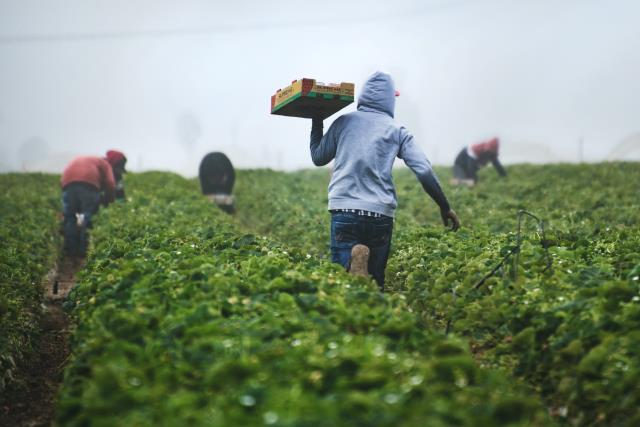
UNPICKED crops, decimated rural communities and higher supermarket prices are among the consequences that could unfold if One Nation’s anti-immigration policy were to be implemented, farmers and experts have warned.
At a federal level, One Nation has committed to: cutting working visas by hundreds of thousands, deporting illegal migrants in the tens of thousands, and stopping cheap foreign labour.
Dr Laurie Berg is an Associate Professor of Law at the University of Technology Sydney, and director of the Migrant Justice Institute.
She said there was no way to cut working holiday visas, the Pacific Australia Labour Mobility scheme, or deport undocumented migrants without essentially paralysing the horticultural labour market.
“The horticulture sector is almost entirely driven by the work of backpackers, Pacific Islanders, and undocumented migrants,” she said.
“Deporting undocumented migrants in large numbers and cutting those other schemes will increase the cost of fruit and vegetables in supermarkets.”
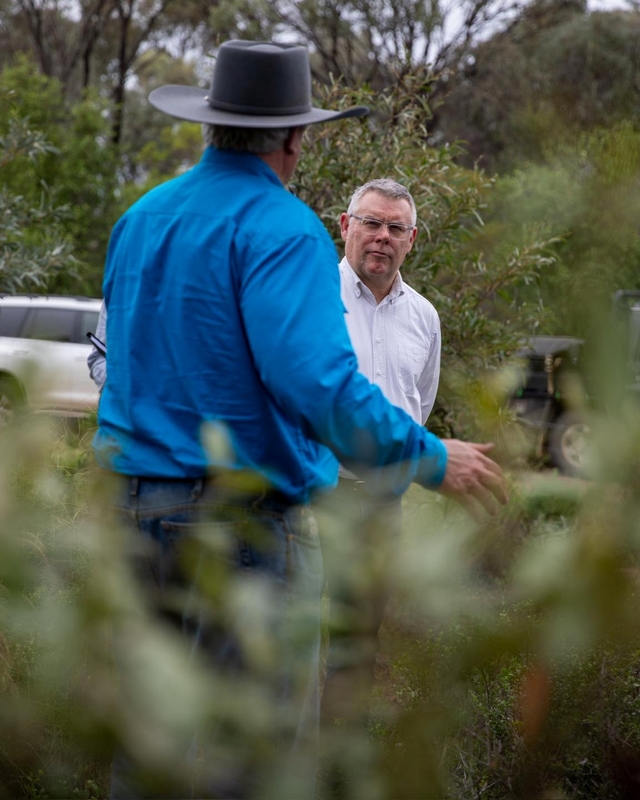
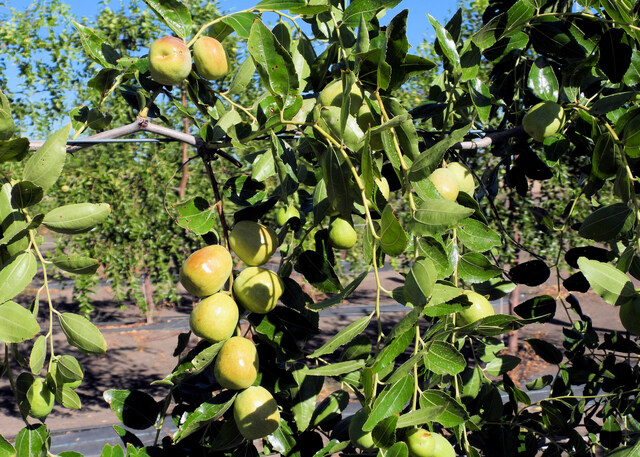
Dr Berg’s concerns were shared by farmer Peta Thornton, a co-owner of Woorinen based peach and nectarine producer Temba Orchards.
Multicultural workers make up around 80 per cent of Temba Orchard’s workforce, and Ms Thornton said she would be “extremely concerned” if One Nation’s populist immigration policies were implemented.
“We are significantly relying on international visa holders and multicultural communities to pick and pack our produce,” she said.
“And it would not just be the horticulture sector which is affected, but regional communities more broadly: in healthcare, logistics and small businesses.”
One Nation’s Victoria branch president Warren Pickering denied his party’s immigration policy was at odds with rural Australia’s reliance on migrant workers.
“I think we’ve got a lot of migrants in this country that aren’t working, and that’s entirely problematic,” Mr Pickering said.
“Now, if we could either get those (people) working or allow the visas for those that actually do pick fruit to be looked at, then there’s ways around this.”
However, a Department of Home Affairs’ 2024-25 migration trend report, found migrant unemployment rates were lower than that of the Australian-born population.
Dr Berg also pointed to the fact that much of the work undertaken by migrant workers was considered undesirable by Australian-born residents.
“There has been lots of research conducted, and I think employers in regional areas and unions know there are almost no Australians working in the horticulture sector,” she said.
Concerns have also been raised about whether populations in towns such as Robinvale could be targeted by One Nation’s policy of deporting undocumented non-citizens, who local leaders have described as “the engine room of the community”.
Dr Makiko Nishitani is a senior lecturer of Anthropology at La Trobe University, and has spent years researching migrant workers in the Sunraysia region.
“The Victorian Farmers Federation’s survey in 2019 showed that 71 per cent of growers in Sunraysia believed they were likely to have undocumented workers,” she said.
“I think the policy overlooks the reality of Australia’s agricultural sector.
“Undocumented workers I spoke to all expressed pride in how they contribute to the horticulture economy in Sunraysia.”
Ms Thornton said as younger people relocated to cities and seaboards, rural areas could be crippled without migrants to fill critical labour shortages.
“I find it really distasteful – the blaming of migrants – and very much simplifying a lot of issues we have to work through together,” she said.