A MAJOR new research push has been launched to investigate labour and skills shortages gripping key farming regions, with the Murray–Darling and Swan Hill firmly in the spotlight.
AgriFutures Australia, working with the Department of Agriculture, Fisheries and Forestry, has unveiled a national initiative aimed at tackling one of agriculture’s biggest headaches: finding and keeping workers in regional Australia.
The project, titled Strategic Analysis of Regional Workforce Pressures in Australian Agriculture, will examine workforce challenges across five major agricultural regions, including Murray–Darling and Swan Hill.
Researchers will collect data through surveys and in depth interviews before bringing government and industry leaders together to discuss the findings.
The goal is simple but urgent. Build a clearer picture of what is driving labour shortages and skills gaps, and use that knowledge to strengthen Australia’s agricultural workforce.
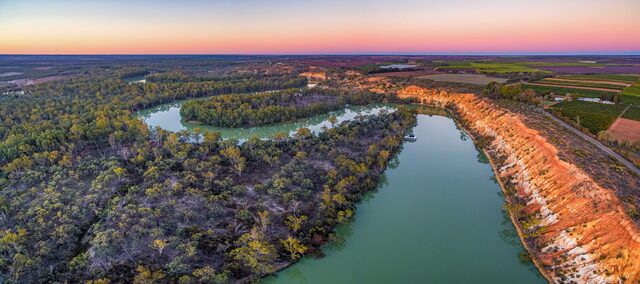
Murray–Darling and Swan Hill was chosen for a reason.
The region has a strong agricultural identity, with a large share of locals employed in farming and food production. I
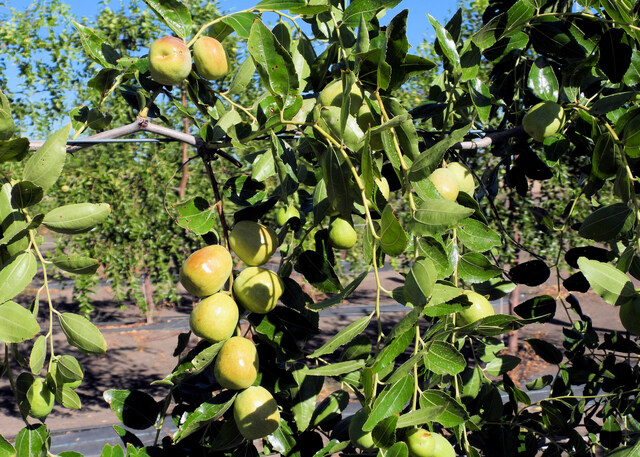
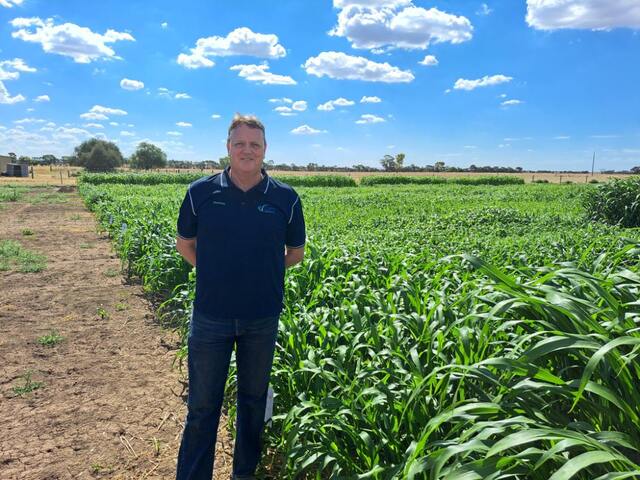
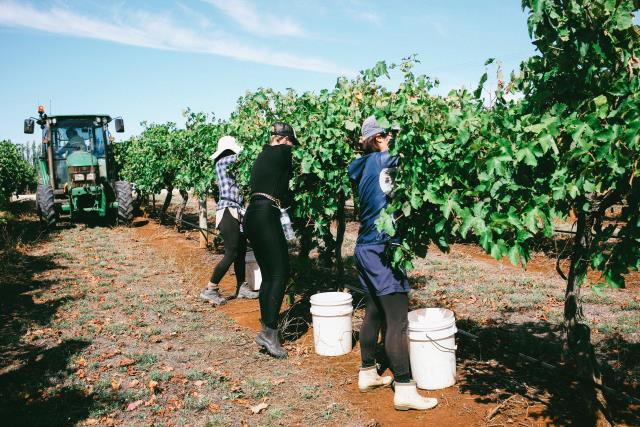
t supports a wide range of commodities including horticulture, dairy, viticulture and broadacre cropping, creating year round demand for workers and intense seasonal pressure, particularly in horticulture.
That mix of diverse farming, heavy seasonal labour needs and strong community reliance on agriculture makes the region a prime case study for understanding workforce stress points.
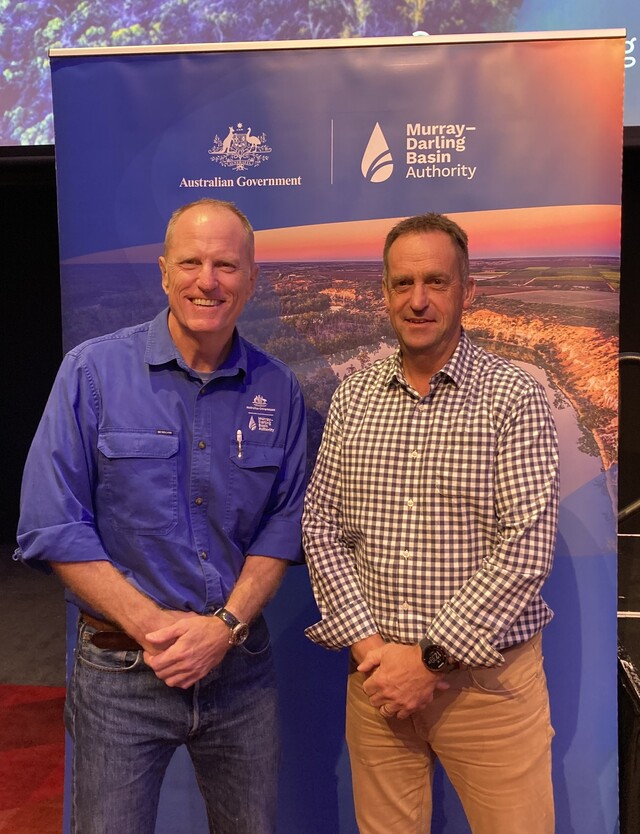
AgriFutures Australia general manager of rural futures Simon Vincent said the project is built on listening to the people who live and work in these communities.
“Every region has its own story, its own strengths and challenges,” Mr Vincent said.
“Agriculture is at the heart of the Murray–Darling and Swan Hill communities, and the region’s diversity means workforce pressures are felt in many different ways.
“We need local voices, from growers and dairy operators to vineyard managers, packhouse workers and seasonal staff, to help us understand the realities on the ground.”
While agriculture is one of Australia’s most innovative industries, generating billions of dollars and offering a wide range of careers, ongoing labour shortages and uneven access to skills continue to strain regional production systems.
“We want to make sure every part of the workforce ecosystem, from training providers to employers and councils is part of the study,” Mr Vincent said.
Community members, workers, employers and organisations across Murray–Darling and Swan Hill are being urged to take part in surveys and consultation sessions.
Surveys will remain open for six weeks, with a final report expected in mid 2026, shaping the future of Australia’s regional agricultural workforce.
Complete the survey at voconiq.syd1.qualtrics.com/jfe/form/SV_emQYnYyk8RzyyqO.