A RUN of booming haystack and shed fires across regional Victoria has sparked fresh warnings for farmers as hay season rolls into full swing.
Fire crews in the west and north west have spent the past week racing from one smoking paddock to the next.
Thousands of bales have already gone up in flames and authorities say the danger period is only just beginning across the rest of the state.
The call for caution comes after three major fires ripped through the north west.
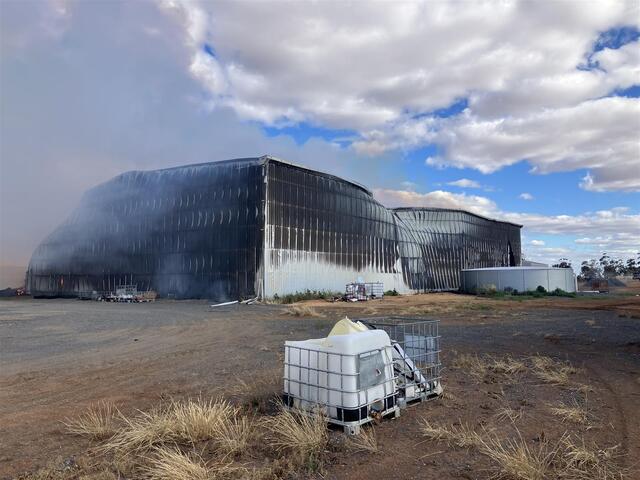
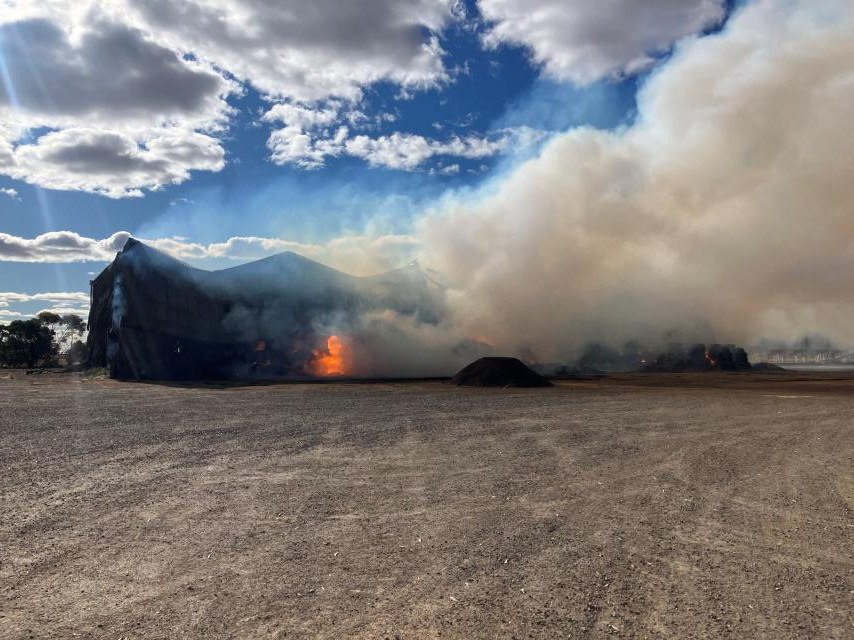
On 9 November, CFA crews were called to Towaninny South, near Dumosa, about 1pm to find a huge hay shed roaring with fire.
More than 1000 bales were already burning.
Firefighters handed the scene back to the landowner within hours but the smouldering mass was expected burn for days, sending smoke drifting across the district.
Crews have also been scrambled to four other big hay fires in recent weeks in Patchewollock, Robinvale and Bagshot.
Between 30 June, 2024 and 1 July, 2025, the CFA has responded to 73 haystack and shed fires in regional areas.
Spontaneous combustion is the usual culprit.
Hay baled with too much moisture begins to heat internally. The tightly packed bales trap that heat until they eventually ignite.
CFA chief officer Jason Heffernan urged farmers not to take chances.
“Farmers who have decided to carry on with hay production need to be extra vigilant this year to make sure conditions are right for making hay and for the future storage and transport of the product as well,” he said.
“Hay fires are a real threat to properties and stock in farmland areas. Whether you are a seasoned hay grower or switching to hay this year, it is important to take care of your hay and crops this fire season.
“Use technology to monitor your haystacks regularly. Temperature probes can provide an early warning and alert you to heating hay.
“Haystack fires can have far reaching effects beyond individual properties, impacting neighbouring farms and emergency services.
“Make sure you store your hay in separate stacks or in sheds away from farm equipment and other buildings to prevent the spread of fire.”
Farmers wanting more information can visit the CFA website or contact their local brigade for advice on keeping their hay safe.