FARMERS, politicians and advocacy bodies are warning further water buybacks announced last week will gut regional towns, drive up food prices and cripple Australia’s dairy heartland.
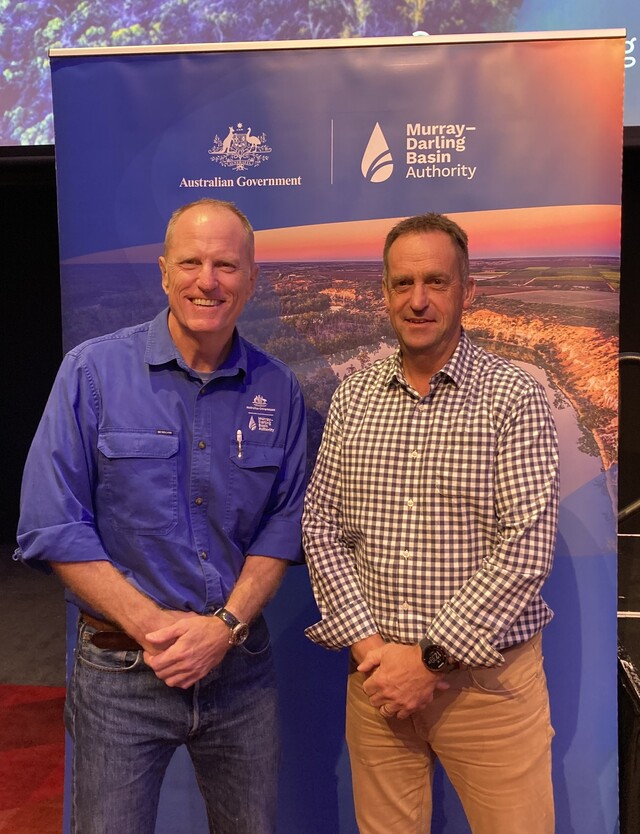
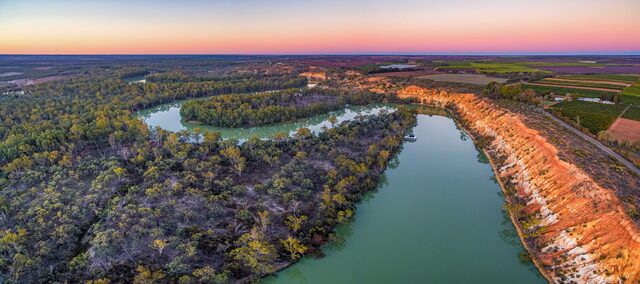
Federal Water Minister Murray Watt announced plans to seize another 130 gigalitres of water from the Murray-Darling Basin at the Basin Leadership Summit in Adelaide.
The announcement expands the voluntary water purchase program in the southern basin to 300 GL.
It pushes the government closer to its long contested 450 GL environmental target.
Farmers say it pushes them closer to the brink.
Australian Dairy Farmers president Ben Bennett accused the government of jeopardising food security at the worst possible time.
“We have just caught Woolies using American butter in stores and now the government is taking away more water from our dairy farmers,” Mr Bennett said.
“Consumers’ access to safe, locally produced food is under attack from within our own borders.”
Mr Bennett said dairy farmers already surrendered huge volumes of water during the millennium drought to help restore environmental flows.
He said they had invested heavily in efficiency, yet Canberra continued to punish them.
He warned new buybacks could slash milk production by up to 270 million litres a year and hit processors with more than $500 million in losses, citing a recent Dairy Australia report.
Victorian Farmers Federation water council chair and Murrabit dairy farmer Andrew Leahy delivered a blistering attack, accusing the Commonwealth of ignoring science, evidence and rural communities.
“We have lived through the devastation of past buybacks,” Mr Leahy said.
“We saw towns hollowed out, neighbours walk off farms, families lose generations of work.
“It is death by a thousand cuts and the government has sharpened the knife again.”
Mr Leahy said Victoria has already provided around 600 GL to Commonwealth programs and warned its high reliability water makes the state a prime target for more purchases.
“We should not be punished for doing the right thing,” he said.
“Our water is reliable and that makes us a magnet for Canberra. That is not fairness, that is exploitation.”
He said the policy ignored major environmental issues in the northern basin and criticised the government for focusing on the southern system to appease political pressure.
“You cannot fix the Darling River by bleeding the Murray dry,” Mr Leahy said.
“This is a political game to secure votes in South Australia. It is not sound water policy.”
Nationals Member for Murray Plains Peter Walsh also unloaded on the announcement, calling it a “ridiculous” plan that places ideology above common sense.
Mr Walsh said the move showed Labor had learned nothing from past mistakes.
“Murray Watt should know better,” Mr Walsh said.
“He has worked in agriculture, yet he is now leading a headlong and unsustainable rush to rip water away from the very people who grow our food. This is ideology trumping intelligence.”
He accused inner city politicians of sacrificing rural communities to satisfy environmental activists in capital cities.
“Regional Australia will pay the price while city elites sip lattes and pat themselves on the back,” Mr Walsh said.
“Meanwhile our nation’s agricultural lifeblood will be sent down the Murray and into the Southern Ocean. For what? What good does that do?”
But Mr Watt hit back, accusing the previous Coalition Government of stalling progress for a decade and leaving the basin plan in disarray.
He said more than 2100 GL has been recovered to date and was delivering substantial environmental benefits, including waterbird breeding events and the flushing of salt from the Murray.
“My view has always been that the best long-term support for agriculture is accepting scientific reality and helping industry adapt to a more water efficient future,” Mr Watt said.
“Voluntary purchases will continue because they are essential to meeting the commitments Australia has made.”
Mr Watt said the government expected to recover more than 400 GL of the 450 GL target by the end of next year.
Victorian Water Minister Gayle Tierney appeared blindsided, telling Parliament the announcement came as a shock.
She reaffirmed Victoria’s position that non-strategic buybacks damage irrigation communities and undermine the basin plan’s intent.
“Victoria will continue to advocate for a strategic approach that protects communities and supports healthy rivers,” she said.