BIOSECURITY in New South Wales is set to receive an increase of $140 million in funding.
This year’s state budget the Government has announced a focus on strengthening NSW’s biosecurity program with and primary industries research capabilities.
One-hundred-million-dollars in new funding will go towards to further strengthening biosecurity detection, protection and response, and bring the state’s biosecurity budget to a $1.05 billion.
Additionally, $41.2 million will be spent modernising primary industry research and development program, including upgrades to digital infrastructure to promote research in emerging areas such as AI assisted farming.
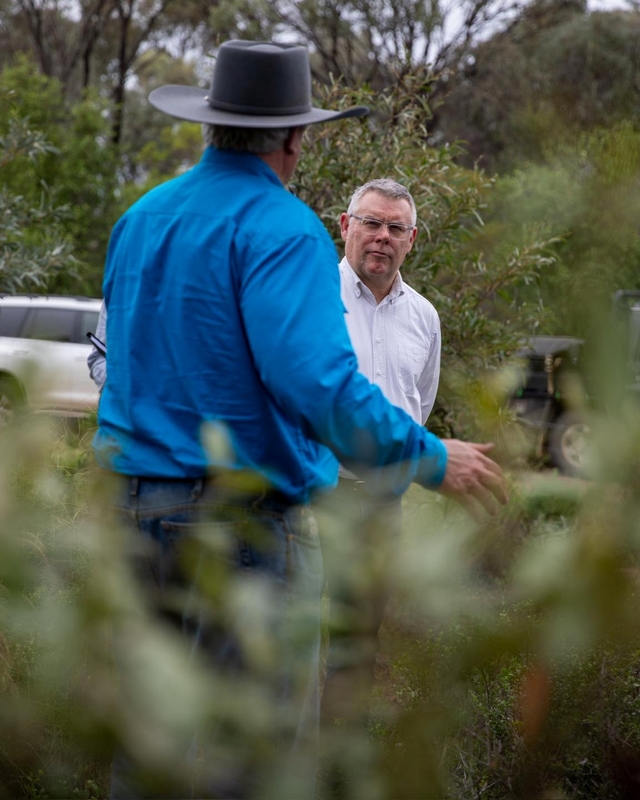
Member for Barwon, Roy Butler, said backed the announcement.
“You can’t invest enough in biosecurity especially when it comes to controlling animals after so many good seasons we’ve had,” he said.
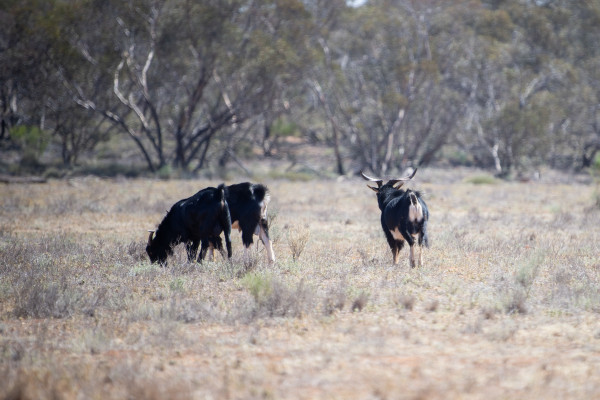
“All the good seasons means, we’ve just had an explosion of animals.
“There are many pests, animals and weeds that are a real damage to New South Wales.”
Mr Butler said the funding is important but having a range of solutions is needed.
“It’s a whole combination of strategies, when it comes to animals, obviously trapping, baiting and shooting,” he said.
“I know the government is now looking at some options to actually pay a bounty for people who are trapping pigs and foxes.
“That’s a model that’s been working really well in Victoria for foxes.
“We used to have pretty good control over foxes when the pelts were worth money but since the pelts are no longer worth money, they have been breeding.”
Mr Butler said a bounty system would make a difference for people to go out and tackle pests.
He also said it was also important to have Local Land Services come on board and help provide support with gates.
“I really do want to see Local Land Services supply more traps to people or the release the gates for traps,” he said.
“For pig traps, the gates are the expensive part, if the Local Land Services could supply that, people could build more traps and we can get more pigs removed from the landscape.”
The upgrades and additional funding will support the staff undertaking research across the state in vital areas such as animal nutrition, climate change, aquaculture breeding as well as biosecurity surveillance and responses.
Minister for Agriculture, Tara Moriarty, said the budget spend builds on the work carried out over the last two years to turbo charge the fight against ferals, pests, diseases and weeds.
“Biosecurity is receiving unprecedented attention from our government due to the increasing risk to our farmers and landscapes,” she said.
“We are committed to modernising our research and development effort for primary industries with an additional $41.2 million, so that there has been more than $100 million in new funding over the last year, and it is bringing a stronger, strategic and resilient focus to the future of primary industries.”