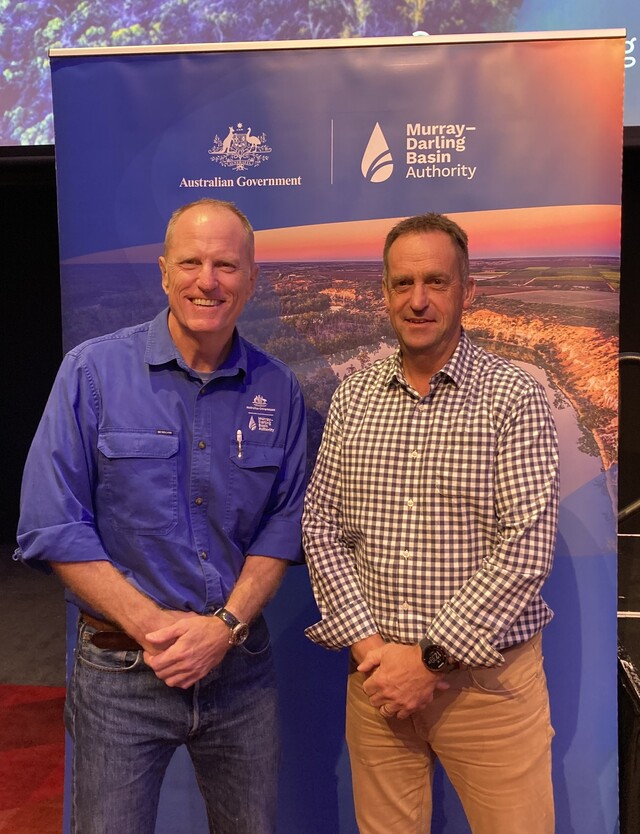
Citrus Australia chief executive and Plant Industry Forum chair Nathan Hancock has unreservedly condemned the proposed federal Biosecurity Protection Levy (BPL) as a flawed process which must be scrapped.
And he says the Sustainable Biosecurity Funding Advisory Panel (SBFAP) – created by the federal government – has already been boycotted by senior farm representative groups and leaders.
Adding “many beneficiaries of biosecurity – especially those across the supply chain who benefit from the hundreds and millions of dollars producers already pay in levies – have not even been invited or considered in the panel’s membership”.
Federal Agriculture Minister Murray Watt says the panel has been created to provide increased transparency for key contributors of biosecurity funding, including producers and importers.
Mr Watt says it will “build closer collaboration between government and key stakeholders, with regular meetings to share insights, discuss biosecurity priorities and explain spending decisions”.
He says panel members will be provided with information about what revenue is being raised from producers and importers and how that money is being invested, in addition to updates on the rollout of the Sustainable Biosecurity Funding package measures.
“The role of the Sustainable Biosecurity Funding Advisory Panel is to provide transparency of biosecurity expenditure and give biosecurity stakeholders – including producers and importers – genuine input into biosecurity priority setting for Australia’s biosecurity system,” Mr Watt says.
But Mr Hancock says growers believe the proposed levy and the panel can only provide a skewed market overview because of their complete lack of transparency.
He says the panel has been formed to shield Canberra’s determination to rip $50 million a year from domestic agricultural, fisheries and forestry producers to help fund its biosecurity strategy.
“The government is already in the process of legislating the levy and as it’s currently written, the levy will apply additional charges on agricultural producers to help fund the biosecurity activities of the Australian Department of Agriculture, Fisheries and Forestry,” Mr Hancock says.
“I represent 38 members of Australia’s $42 billion plant industries on the SBFAP and while its first meeting on April 30 with Mr Watt and senior officials from the Department was constructive, given the fundamentally flawed premise behind the levy and Canberra’s failure to consult properly during the original policy development processes the panel’s purpose remains problematic.
“The BPL has attracted sustained and escalating opposition since it was announced 12-months ago, given producers weren’t consulted openly and transparently from the start – and the policy design is wrong.
“The only way to have any meaningful conversations about ‘sustainable’ biosecurity funding and restore trust in the process, and engage producers in future, is to remove the 50-million-tonne elephant in the room by dropping the biosecurity levy/tax.”
Mr Hancock says the task for the government is simple: remove the BPL and open the door to renewed trust and genuine engagement on the actual common goal on how to fund biosecurity more equitably and sustainably for all.
He says the Plant Industry Forum is strongly opposed to the BPL and this remains its prime focus in this panel process.
“We also supported the national ‘day of action’ held on May 8 which encouraged the federal government to scrap the BPL,” Mr Hancock says.
“Members of the Plant Industry Forum and Citrus Australia have received resources to support this campaign, being led by the National Farmers’ Federation.
“We will continue to engage in these processes and others to ensure fairer and more equitable outcomes for producers rather than being singled out as the only beneficiaries of biosecurity.”