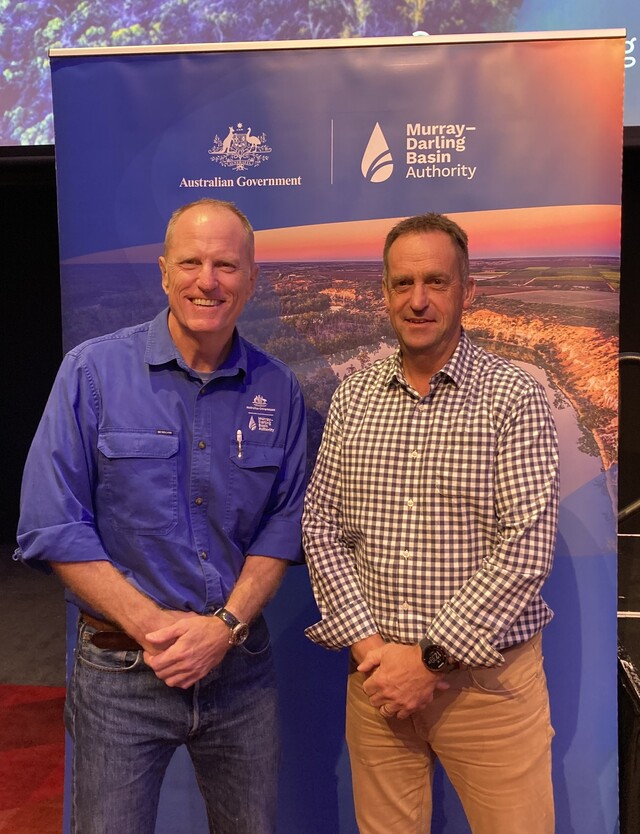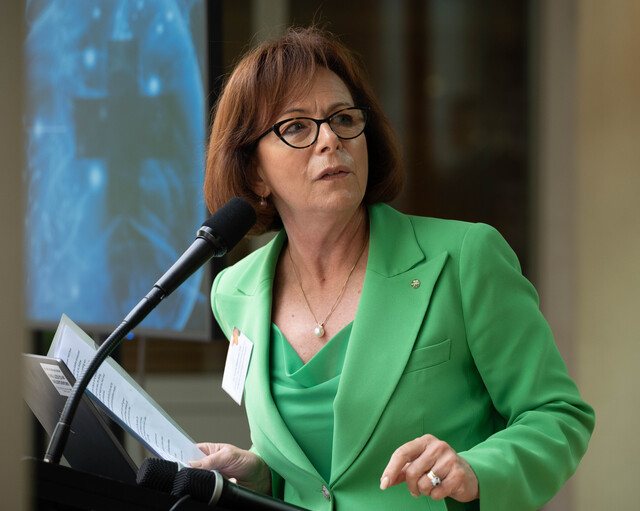
AWI chief executive John Roberts provides an overview of how it is undertaking R&D and marketing to address some of the key issues faced by Australian woolgrowers.
It is a challenging time for Australian sheep and wool producers at the moment, with issues such as dry seasonal conditions, poor livestock prices, and potentially prohibitive legislation, all weighing heavily on their minds and influencing the commercial decisions they make on a daily basis.
Furthermore, the depressed economic conditions across the world mean that the prices that Australian growers are currently receiving for their wool are not at levels that fully reward them for the hard work that they put in to growing the fibre.
The issues and concerns that affect woolgrowers and their revenue also impact AWI. The nature of the wool levy system – based on price, volume and levy percentage – means that woolgrowers and AWI travel a similar journey. When the market and volumes are strong, we can deliver powerful and meaningful projects; when the conditions are less favourable, like now, we have to cut our cloth accordingly.
AWI’s revenue has reduced significantly, which has forced us to refocus and fine tune our targets and activities. This has meant a number of projects have had to be discontinued as we redeploy funds to the areas that the business and the AWI board see as most pressing.
Opportunities and threats
Investment in R&D and marketing is needed if the Australian wool industry is to take advantage of the opportunities and address the challenges that it faces. This is AWI’s role.
In the on-farm area, there are plenty of opportunities, such as improving the genetic gain of sheep, increasing the reproductive efficiency of ewes, and on-farm automation. But there are also threats such as access to wool harvesting staff, climate variability, and invasive pests and diseases. These are all areas in which AWI needs to continue to invest on behalf of Australian woolgrowers.
In the off-farm area, the Australian wool industry operates in a dynamic and competitive global market. Opportunities include the trend towards sustainable fibres, the growing interest in the provenance of products, the increasing use of Merino wool as a high-performance fibre, and new product innovations such as wool footwear. Conversely, there are also challenges, such the casualisation of apparel, changing consumer attitudes to animal husbandry, and environmental labelling regulations. Again, these are all areas in which AWI needs to invest on behalf of Australian woolgrowers.
Despite the company’s decreased revenue and the challenging global economic circumstances that our markets face, AWI’s three-year Strategic Plan for 2022/23 to 2024/25 remains very relevant and robust. The industry issues and concerns that are raised with AWI by woolgrower representative bodies through the Woolgrower Industry Consultation Panel (WICP) still very much align with the strategic plan.
AWI marketing campaigns
The successful marketing of Australian wool has never been more important. There are two main types of marketing campaign undertaken by AWI’s subsidiary, The Woomark Company: ‘Kudos’ campaigns where we look to defend the fibre or change misconceptions around the fibre, and ‘Sell’ campaigns where we can clearly illustrate and report on large volumes of sales of wool.
The Kudos campaigns don’t always involve large volumes of wool product in the project, but they do change long-term buying patterns and have a very long tail. The Sell projects usually involve solid sales volumes and deliver more tangible outcomes in terms of kilos of wool sold.
A good example of a Kudos campaign was last year’s ‘Wear Wool, Not Fossil Fuel’ consumer awareness campaign, which was a tremendous success. This campaign highlighted to consumers that synthetic fibres are made from oil, whereas wool is a 100 per cent natural, renewable and biodegradable fibre. The campaign video has achieved a staggering 100 million views, and our post-campaign survey showed for instance that 80 per cent of viewers in the US are more likely to wear more wool because of the campaign.
An example of a very successful ‘Sell’ project is the direct-to-consumer marketing campaign in China held during last year’s Autumn/Winter 2022 season. It achieved an extraordinary $156 million in wool sales during the campaign period, including $41 million in just the first week. There were more than 120 brands participating, many of whom had not included wool in their product lines before.