AN emergency order is barring the movement of beehives after varroa mites were found in NSW’s Riverina and Sunraysia regions, posing a threat to the almond industry.
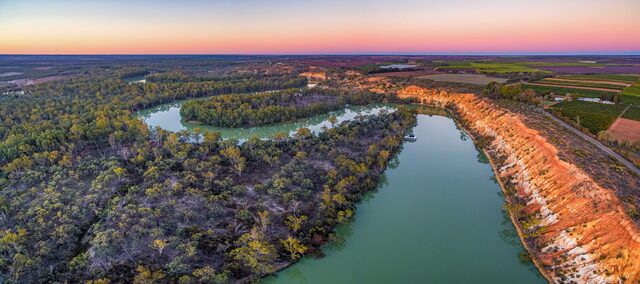
The NSW Department of Primary Industries has detected the bee parasite in hives at Euroley in the Riverina and Euston in Sunraysia, prompting the biosecurity order.
A 10km eradication (red) zone and a 25km surveillance (purple) zone is in place, meaning hives cannot be moved into, within or out of those affected areas.
DPI chief plant protection officer Shane Hetherington said the department had traced the new infestations from NSW’s Kempsey region, where the mites had recently been detected.
He said before that detection many beekeepers had moved hives for both almond and canola pollination.
“The new detection at Euston has clear links to an infested premises in the Kempsey area, which we’ve been able to track through the movement declaration process,” Mr Hetherington said.
“We are continuing investigations into the link for the Euroley hives, although they have also travelled from the Kempsey region.
“Tracing and testing hives moved from the Kempsey region remains NSW DPI’s top priority, to ensure we can get in front of any further spread.”
Crop Pollination of Australia president Steve Fuller said with so many hives in the Riverina and Sunraysia for almond pollination, the outbreaks could have a big impact on the
industry.
“This is our greatest fear. You’re looking at tens of thousands of hives in those areas doing almond population at the moment,” he told the ABC.
The Almond Board of Australia has said the 2023 Australian crop was projected to be worth nearly $1 billion but was reliant on bee pollination starting in August, with almost 300,000 commercial hives required.
If large numbers of hives became unavailable because of mite infestation, then crop yields would be significantly reduced.
The new mite detections bring the total number of infested premises in NSW to 215.
Mr Hetherington said the tracing of varroa mites to beehives at Euston and Euroley highlighted the importance of all beekeepers reporting hive locations and doing regular alcohol washes to look for the parasite and to report the results.
Last month the NSW Government announced $31 million to support beekeepers and the horticulture and cropping industries affected by the varroa mite outbreak.
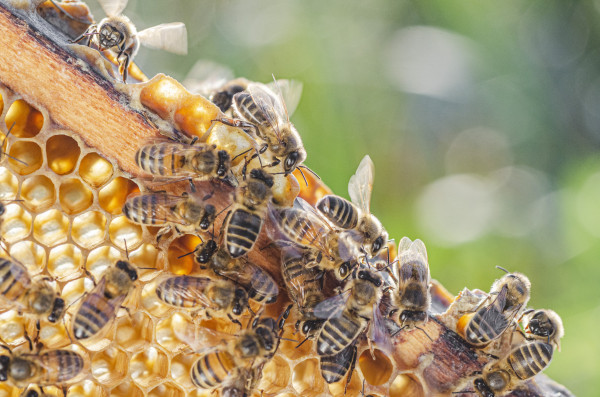
The mites infest hives, weakening then killing bees and eventually destroying their colonies.