Alison Desmond, Project leader, BestWool/BestLamb
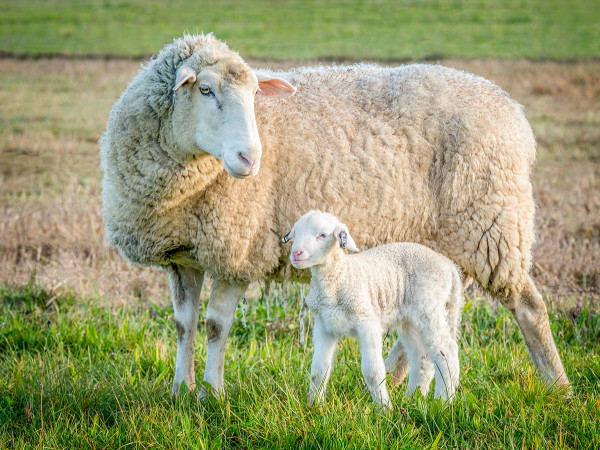
WEANING is a significant event in the management calendar and at a time when both lamb and ewe productivity is on the line, there are a number of key components to consider.
Joining length, feed quality, ewe condition, time of weaning, target weaning weight and average daily weight gain all play a role in the success of weaning, which is crucial for both lamb and ewe productivity.
The aim of the sheep industry is for a survival rate from weaning to one year of age of 95 per cent, or better.
While the above factors all play a role in the success of weaning, effective management and timely weaning supports the lifetime productivity of the lambs, and also allows ewes to recover condition before the next joining period.
Time of weaning
DID you know a ewe reaches the peak of her lactation about 20-30 days after she lambs?
Yet the lamb’s requirements continue to increase well beyond what she’s capable of providing.
By 12-14 weeks after the start of lambing, the ewe is providing a very small proportion of the nutritional requirements of the lamb.
The recommended weaning age is no later than 14 weeks after the start of lambing; however, lambs can be weaned at eight to 10 weeks or even earlier if appropriately fed and managed.
Lambs weaned early should be marked, given at least four weeks to heal if mulesed, and be at least 10kg. It is important to feed early weaned lambs a diet with appropriate levels of protein and energy.
When seasonal conditions are tough and pasture availability is low over lambing, early weaning of lambs is a useful management option.
Early weaning will reduce the total feed requirements of the flock, because ewes and lambs can be fed and managed to their differing nutritional requirements.
Other benefits include:
* Preventing ewes from losing further condition, as stopping lactation reduces the ewe’s energy requirements.
* Reducing the ewe’s energy requirements, reducing feed costs and improving the efficiency of feed use.
* Extra time for the ewes to regain condition before their next joining, therefore increasing their reproductive performance next year.
* Targeted nutrition for the weaners to optimise growth rates.
* Reduced worm burdens of the lambs as they are drenched earlier and can be removed from contaminated pastures.
* Increased wool production from the ewes and lambs.
Importance of imprint feeding
IMPRINT feeding encourages lambs to readily eat supplementary feed after they are weaned.
This is an important tactic before weaning, regardless of whether you are early weaning or not.
Ewes and lambs are required to be supplementary fed several times over a few weeks in the lead up to weaning to allow the ewes to teach the lambs the feed is safe to eat.
It is important to imprint them using the method of feeding (self-feeders, trail feeding) and the type of supplementary feed you plan on feeding the weaners and ensure 90 per cent of lambs are eating the supplementary feed on offer.
Imprint feeding can also significantly reduce the time it takes for lambs to adjust to a new feed source and minimises the risk of shy feeders, which puts them at risk of lower growth rates while they adapt.
Target weaning weight and growth
WHILE the timing of weaning is critical, the liveweight of the lambs at weaning is just as critical.
There is a direct correlation between liveweight of weaners and weaner survival.
Target weaning weight is 45 per cent of your ewe’s standard reference weight (SRW).
SRW is the average weight of your mature ewes when not pregnant, bare shorn, in condition score 3, with no gut fill.
You can calculate the SRW of your flock using the simple process found at wool.com/globalassets/wool/sheep/reproduction/weaning/standard-reference-srw-calculator-3.pdf
The target growth rate for weaners to reduce the risk of mortality is at least 50 g/hd/day or 1.5 kg/month.
Small increases in weaning weight and growth rates post-weaning significantly improve weaner survival.
For example, a 14kg weaner has a 34 per cent lower mortality risk than a 12kg weaner, and a 20kg weaner has a 22 per cent lower mortality risk than an 18kg weaner.
It is important to weigh lambs at weaning and then monitor the weights at least every four to six weeks to ensure target growth rates are being achieved.
Ewe weaners must have sufficient growth rates to reach their liveweight targets to ensure adequate conception at first joining, regardless of their age.
A timely and well executed weaning will have a positive impact of the joining performance of the ewe the following year and a positive impact on the lifetime reproductive performance of their lambs.
More information is available at www.wool.com/weaning