THEY are the future of the business and underpin profitability for years to come.
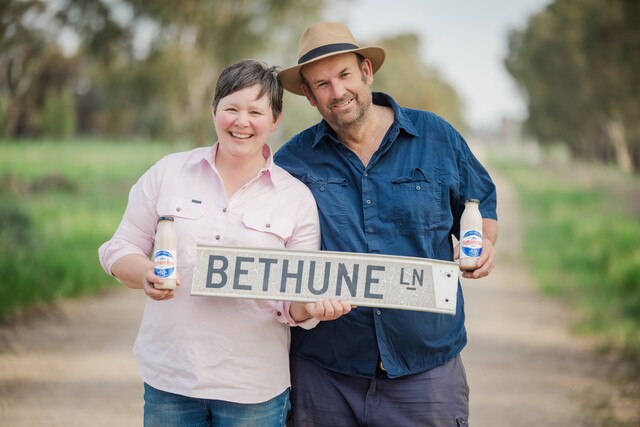
So, it’s no surprise that one Swan Hill dairy farmer has invested in his youth to ensure they fulfil their potential.
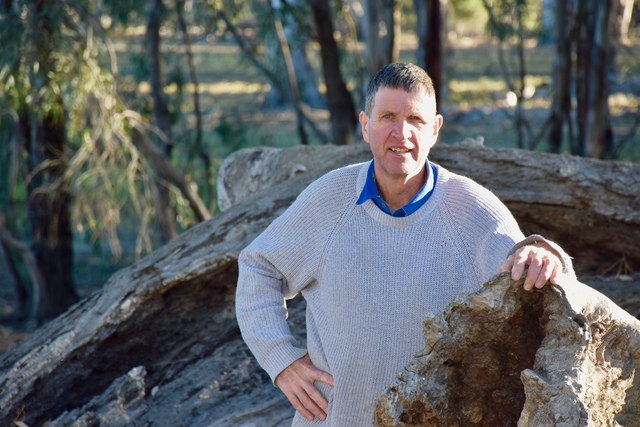
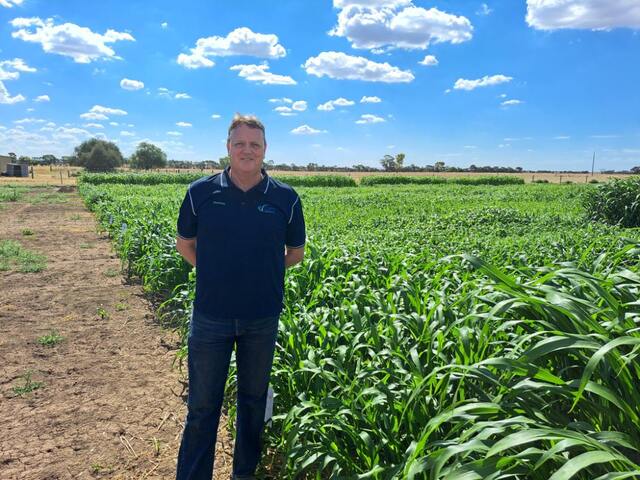
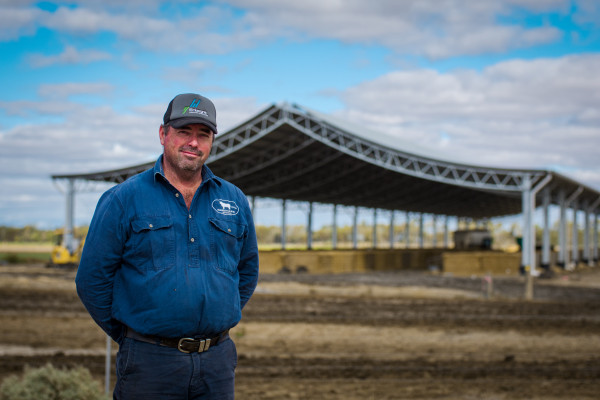
Third-generation dairy farmer Matt Glowrey is now rearing 1200 calves under the shelter of a new Entegra Ridgeback shed.
For him, protecting the business’ youngest animals from hot northern Victorian summer days and keeping them dry during winter makes financial sense.
“Having healthy calves in our dairy business is integral to the end-point which is making milk,” Matt said.
“If we can grow a stronger, healthier calf fast – at the start of her life – and maintain that growth throughout its life, it will be a bigger, healthier cow when she has her first calf.
“So ultimately from that fact alone, we will be having a better cow in the herd, so more dollars in our pocket.”
The 150 metre-long and 32 metre-wide Ridgeback houses a mixture of heifer and bull calves, with Matt noticing a difference in the first sheltered calves almost immediately.
“We put 200 calves in there just prior to Christmas, in the summertime,” he said.
“Ultimately nothing changed with the management of those calves, everything was the same, their pen size, they had the same pellets and water – nothing had changed, whatsoever.
“The only difference was they had the shade structure and airflow and those calves changed within a week. It was amazing.
“They were probably the best calves, and we’ve been rearing good calves, but with these calves, it was amazing the difference the removal of that heat made for them.”
In 2013, Dairy Australia estimated it cost $1300 to $1500 to rear a dairy heifer to the point of calving at two years old.
DA said a heifer should be 85 per cent of her mature weight when she calves for the first time for optimum health – including fertility – and increased production.
If a heifer doesn’t reach this weight by two years old, and instead calves six months later at 30 months old, her rearing costs increase $266 to a total between $1566 and $1766.
DA said this meant the average cost of rearing a heifer was reduced if the average age of first calving was reduced.
For Matt, heifer productivity comes down to early and sustained growth.
He wants all his young stock to perform, and to achieve this, it’s meant improving the tail-end calves.