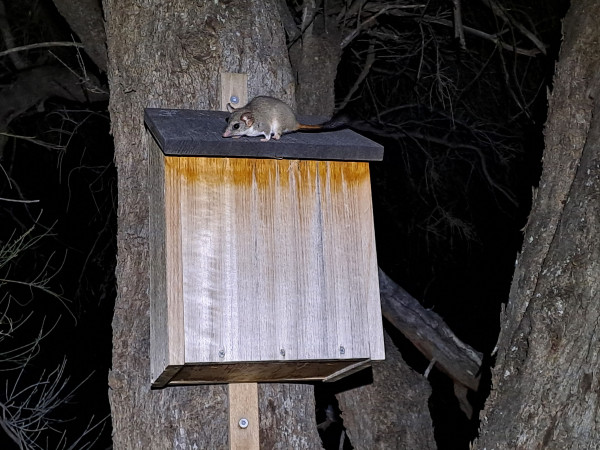
A FEISTY marsupial known for its unusual breeding strategy — where males die following the annual mating cycle — is again roaming around Scotia Wildlife Sanctuary in far south-west New South Wales for the first time in more than a century.
The tiny carnivorous red-tailed phascogale was driven to extinction in NSW by introduced cats and foxes – the primary driver of native mammal extinctions and ongoing declines in Australia.
The phascogale was listed as extinct in NSW in 2016, with the last wild recording in 1866, when a specimen was obtained about 145km from Scotia Wildlife Sanctuary.
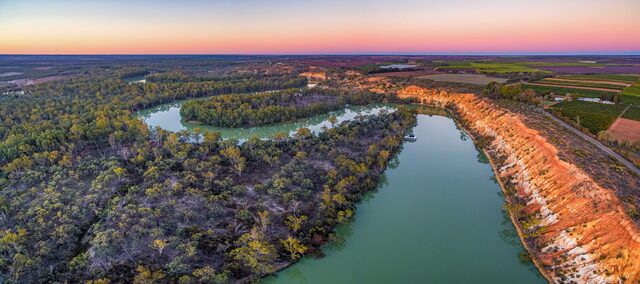
A total of 93 red-tailed phascogales have now been reintroduced to the sanctuary on Barkindji country as part of a partnership between Australian Wildlife Conservancy (AWC) and Zoos South Australia.
The phascogales — 56 females and 37 males — were collected from a captive breeding program at Adelaide Zoo, where AWC staff and zoo keepers worked together to take morphometric measurements and conduct a health check and collar a subset of individuals.
They then made the 530-kilometre drive across the lower Murray Darling region to their new home.
A smoking ceremony was conducted by representatives from the Barkindji community before the phascogales were released one-by-one into Scotia Wildlife Sanctuary’s 8000-hectare feral predator-free fenced area — one of the largest feral-free areas on mainland Australia.
AWC wildlife ecologist Dr Rachel Ladd said restoring the red-tailed phascogale to Scotia Wildlife Sanctuary was an exciting opportunity to increase the threatened species’ population in NSW.
“Working with Adelaide Zoo, we’re slowly increasing the global population size of this threatened species while also helping to maintain and expose the phascogales to different environmental conditions across its former range in order to ensure it can adapt and survive in the future,” she said.
“Arriving in May means the red-tailed phascogales will be settled and ready to start mating during the July breeding season.
“We’re expecting to see some juveniles running around in the second half of the year, unfortunately though, as a dasyuridae species, this also means all of the males will drop off from the stress of breeding activities.”
The species made a historic return to the state in 2021, when AWC with NSW National Parks and Wildlife Service released 114 individuals (60 from Alice Springs Desert Park and 54 from Adelaide Zoo) inside a feral predator-free fenced area at nearby Mallee Cliffs National Park.
In a bid to conserve the red-tailed phascogale, AWC worked with Adelaide Zoo to establish a captive breeding program in 2021, with animals sourced from remnant populations in south-west Western Australia by AWC personnel.
The breeding program has proven successful, with more than 147 phascogales delivered over the past four years, 54 of which contributed to re-establishing the population at Mallee Cliffs National Park in 2022-23.
Zoos South Australia conservation manager Mark Smith said it was incredibly rewarding to see red-tailed phascogales back in the wild at Scotia after more than a century.
“This release is the culmination of years of dedicated work by the Zoos SA team to breed this remarkable species for conservation,” he said.
“Working with the AWC has allowed us to take that next vital step — moving animals from behind-the-scenes care into wild landscapes where they belong.
“It’s a proud moment for everyone involved, and a fantastic example of what can be achieved through collaboration to support the recovery of Australia’s native species.”
Twenty-six of the red-tailed phascogales were collared with small tracking transmitters before release at Scotia Wildlife Sanctuary to monitor their movements and survival rate in the first six-to-eight weeks of release.
Due to their very small size, light weight (less than two grams) transmitters were used by AWC ecologists to check in on individuals, with the collars to be removed after the initial tracking period.
AWC will continue monitoring the population and estimates, if the release is successful, that the number of red-tailed phascogales could reach 1400 individuals in the next decade.
At Scotia Wildlife Sanctuary, the phascogales joined four other threatened species that were reintroduced as part of a plan to restore locally-extinct species including the greater bilby, burrowing bettong, numbat and bridled nailtail wallaby.
The project has been assisted by the NSW Government through its Environmental Trust.