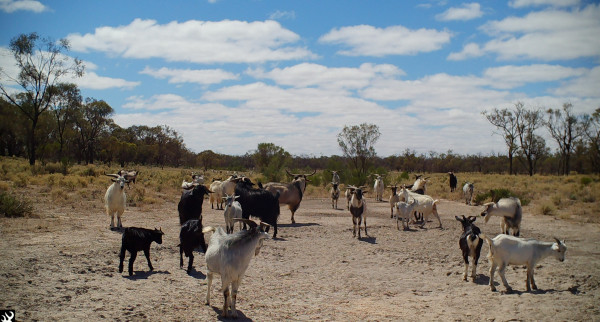
PARKS Victoria has completed a five-day, 500,000-hectare goat control program across parks land in the Mallee.
The culling program began in 2002 in an effort to boost the success of vegetation regeneration.
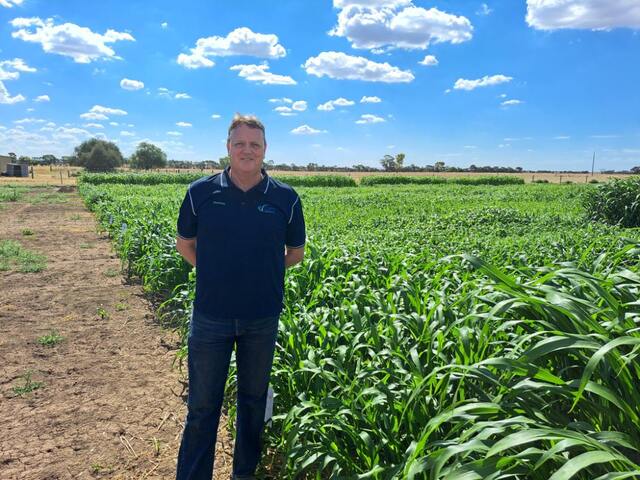
Program manager Brendan Rodgers said feral goats would cause serious problems to north-west parks and reserves if not controlled.
“If left uncontrolled, their populations can really increase and they can damage a lot of the habitat for native animals,” Mr Rodgers.
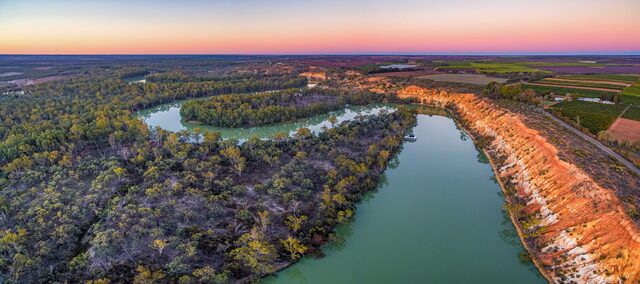
“We’ve got 1.3 million hectares of national parks and reserves in the north west – it’s a huge landscape.
“A lot of these goats and other pest animals are in quite remote areas of these parks.
“They’d certainly be in the thousands across all that entire area.”
If left unmanaged, feral goats will graze on native plants including slender cypress-pine trees and rare and threatened species such as belar and buloke trees.
Goats also make an impact on key habitats for threatened native animals including pink cockatoos and Malleefowl, and can carry diseases that can infect sheep and domestic goats on neighbouring properties.
Over the past week, teams have made use of helicopters to track feral animals from above, looking at targeted areas in the Murray-Sunset, Hattah-Kulkyne and Wyperfeld national parks, and reserves at Annuello, Bronzewing and Wathe.
“We’ve removed around 700 feral animals from parks and reserves around the Mallee since December through aerial shooting and also ground control,” Mr Rodgers said.
“We’re able to target feral goats, feral pigs and foxes as well.
“We think we’ve made a really big dint in the feral animal population.”
Pest animal management teams have also made use of satellite tracking collars to get the upper hand.
“We attach a tracking collar onto a feral goat and rerelease that goat into our parks and reserves,” Mr Rodgers said.
“That goat mobs up with a herd, a larger herd, and then we’re able to use the satellite technology to direct our control efforts towards that herd.
“In a large remote Mallee park, some of these areas are hard to get access to.
“We’re able to find these large herds and remove them.”