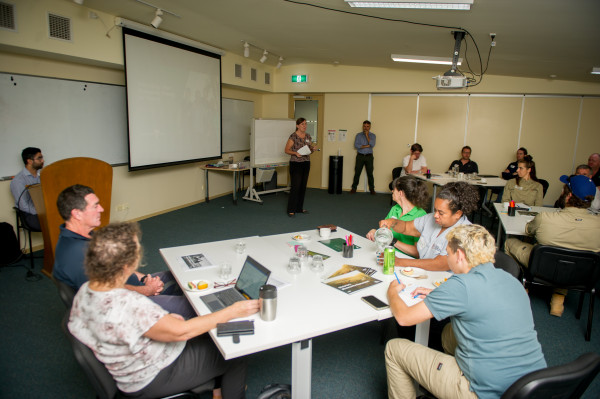
MILDURA has hosted the latest workshop in the ongoing process of developing Victoria’s new biosecurity strategy.
The strategy will outline the priorities for improving how biosecurity issues are managed across Victoria.
A Department of Agriculture spokesperson says a series of workshops during February – including Mildura’s on February 24 – has been designed to help identify the specific ways we can strengthen the biosecurity system.
The spokesperson says it is critical the department has input from people across community, government and industry.
The development of the new Biosecurity Strategy, for release in 2023, is the next step after the Victorian Government’s recent endorsement of Victoria’s biosecurity statement.
“With the statement providing a shared ambition for biosecurity in Victoria, the focus is now on turning those broad aspirations into tangible priorities,” the spokesperson says.
“It is crucial the strategy is informed by diverse expertise and experience – whether you’re a farmer, operating at a corporate or peak body level, caring for country with your local community, managing a small number of livestock on your land, or taking care of the backyard garden.
“The workshops were also bringing a wide range of voices to the conversation about how we can strengthen the system to protect our land, waters, communities, culture and economy.”
In the past few years many producers across north-west Victoria have been involved in interviews, meetings and surveys about Victoria’s biosecurity.
The workshops have also been an opportunity “to share what we’ve learnt and look at ways we can work together to strengthen biosecurity”.
“We know an outbreak of a pest or disease can be devastating,” the spokesperson says.
“It has the potential to cost our export-based economy tens of millions of dollars, harm the health and livelihoods of Victorians, and damage our landscapes, ecosystems and cultural heritage.
“We also know the risk of new pests and diseases is rising and there is a growing burden of established pest species to manage. “This has been further emphasised at the national level, through CSIRO’s Australia’s Biosecurity Future report highlights that “scaling current approaches will not be enough” and that “now is the time for a system re-think”.
Should you have any questions, please contact svbsprogram@agriculture.vic.gov.au.