Winter war on fruit flies

THE Greater Sunraysia Pest Free Area is urging communities to mobilise over the cooler months to get on top of Queensland Fruit Fly issues that caused problems over the fruit growing season.

GSPFA regional coordinator Narelle Beattie said while fruit fly had been an issue for growers in several communities, there was a message for the entire Greater Sunraysia region, from Mildura to Kerang.

“These colder months are an opportunity for us to get on top of fruit fly – the work we do now will be springboard to set ourselves up for success in spring and summer,” Ms Beattie said.

“Queensland Fruit Fly is here to stay, and whether you are a commercial fruit or vegetable producer, have a small market garden or orchard, or simply have fruit trees around your home, we all have a role to play.”

“Unmanaged fruit trees, wherever they are, are havens for fruit fly and increasing fruit fly numbers are just one more thing that makes it harder for growers to produce clean, marketable fruit.”

This season’s high numbers caused crop losses, pushed up production costs and forced producers to apply higher levels of chemical control, Ms Beattie said.

“Reducing fruit fly numbers is crucial for the wellbeing of local horticulturists, but a healthy horticultural sector benefits everyone in the local community through jobs and economic activity,” she said.

“If fruit fly is left for full-time farmers to manage, it is not only very expensive and time-consuming but much harder to control.”

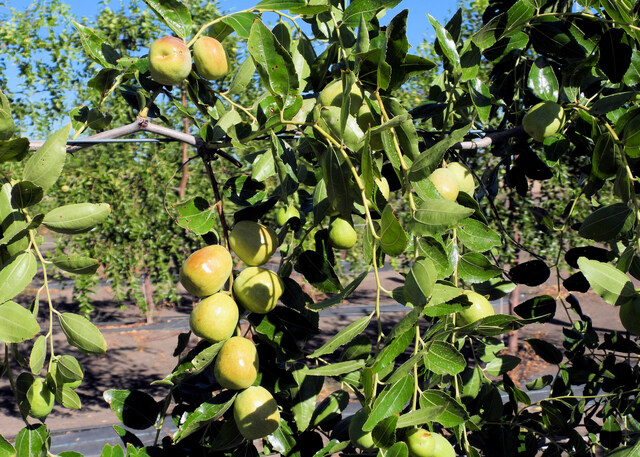
Fruit fly host plants include, but are not limited to stone, pome and citrus fruit trees, grapevines, olives, loquats and pomegranate trees, prickly pear and boxthorn and the GSPFA recommends the removal of any fruit trees that are not being managed for fruit fly.

“It is important they are removed from both backyard gardens and commercial orchards or vineyards that have been taken out of active production, Ms Beattie said.

“If fruit trees are staying, then ensuring they are managed properly throughout the entire year is crucial.

“That means removal of any fruit that’s still on the trees or vines after harvest, cleaning up fallen fruit and possibly applying bait or cover spraying during the season.”

Ms Beattie said GSPA can remove backyard fruit trees from residential properties free of charge if required and information on fruit fly management was readily available on the GSPFA website.

“If you would like advice and information on how to manage your fruit trees, our local fruit fly community support officers are happy to talk to you or visit if you need it,” she said.

“Agronomists and chemical resellers are also a great source of advice on the right approach for your property.”

Contact the Greater Sunraysia Pest Free Area office on (03) 5022 0327 or email gspfa@mildura.vic.gov.au to discuss options.
Digital Editions


  • Collection under the hammer

    Collection under the hammer

    AN eclectic curation of vintage and antique Australian pastoral machinery and memorabilia will go to auction on 1 February. Yvon Smythe and her late partner,…

More News

  • Calls flow for royal commission

    Calls flow for royal commission

    Purchase this photo from Pic Store: 524159 AUSTRALIA needs a royal commission into water management in 2026, according to Murray MP Helen Dalton, who says politicians are “destroying” the nation’s…

  • Big skies and farmscapes

    Big skies and farmscapes

    Purchase this photo from Pic Store: 524028 THE Gallery Balranald is currently showcasing the work of professional artist Graham Hearn. His latest exhibition, Big Skies and Farmscapes, reflects the vast scale and…

  • Difficult outlook for grape growers

    Difficult outlook for grape growers

    Murray Valley Winegrowers has acknowledged the findings of Wine Australia’s Australian Wine Production, Sales and Inventory Report 2025, which confirms the challenging market conditions facing growers. The newly released report…

  • Benham appointed to new ag role

    Benham appointed to new ag role

    The Nationals member for Mildura, Jade Benham, has been appointed Shadow Assistant Minister for Agriculture and Regional Development, as part of Jess Wilson’s new Shadow Cabinet announcement. Ms Benham said…

  • Connecting urban and rural Australia

    Connecting urban and rural Australia

    HAMISH McIntyre grew up on the land in Queensland, learning the rhythms of farming from his family. Today, he runs a sprawling family business across the St George, Dirranbandi, Quilpie,…

  • Farmers warned to stay alert

    Farmers warned to stay alert

    A RUN of booming haystack and shed fires across regional Victoria has sparked fresh warnings for farmers as hay season rolls into full swing. Fire crews in the west and…

  • Bumper harvest fuels Cobram Estate’s growth

    Bumper harvest fuels Cobram Estate’s growth

    COBRAM Estate Olives has reported one of its strongest years on record, with an exceptional “on-year’’ harvest in Australia driving improved earnings, higher production volumes and a confident outlook from…

  • Select Harvests’ cracking pace

    Select Harvests’ cracking pace

    SELECT Harvests Limited has released its 2025 business update, reporting a final almond crop estimate of 24,700 tonnes, slightly below the midpoint of its earlier forecast. The company says the…

  • Further water buybacks anger farming industry

    Further water buybacks anger farming industry

    FARMERS, politicians and advocacy bodies are warning further water buybacks announced last week will gut regional towns, drive up food prices and cripple Australia’s dairy heartland. Federal Water Minister Murray…

  • Farmer takes action in feral pig fight

    Farmer takes action in feral pig fight

    IN THE heart of south-western New South Wales, sheep and cattle farmer Colin McCrabb is waging a quiet war against a destructive and elusive enemy -feral pigs. Operating a 6800-hectare…