By TIM JACKSON
Chief executive officer – Almonds Australia
A Whole Orchard Recycling (WOR) trial underway in a Merbein almond orchard could pioneer a revolutionary method to redevelop unproductive permanent plantings.
The pilot program has drawn lavish praise from the American farm adviser who developed the practice.
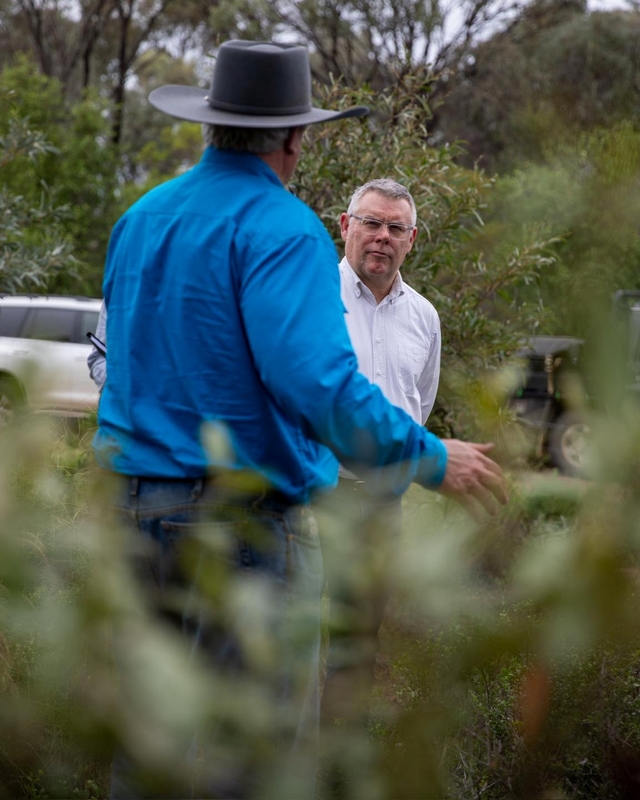
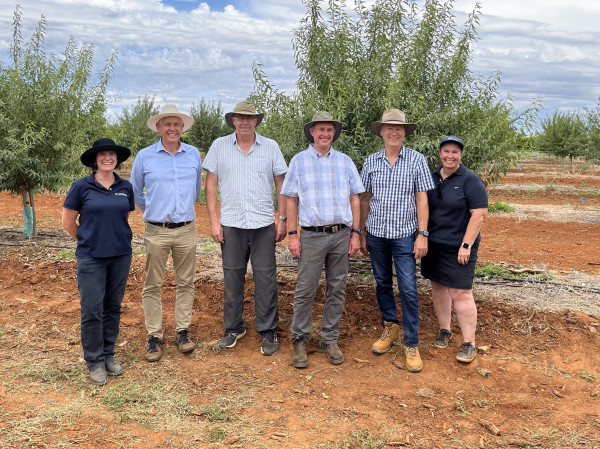
Brent Holtz, from the University of California Cooperative Research, spent time at the 2.6ha trial site in mid-January and said it was just as good as anything being done in California.
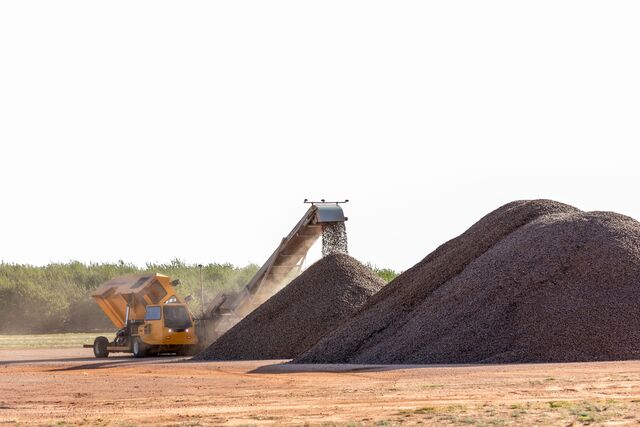
When orchards reach the end of their productive life they are pulled out, chipped up and the woody material is incorporated into the soil, prior to replanting.
Dr Holtz says as the timber breaks down, it helps the almond trees grow and improves the soil.
The Almond Board of California says this practice has many benefits, including:
· 19 per cent increase in yield
· 58 per cent increase in soil carbon
· 17 per cent increase in soil nitrogen
· 42 per cent increase in organic matter
· 19 per cent increase in soil aggregation
· 32 per cent increase in water holding capacity
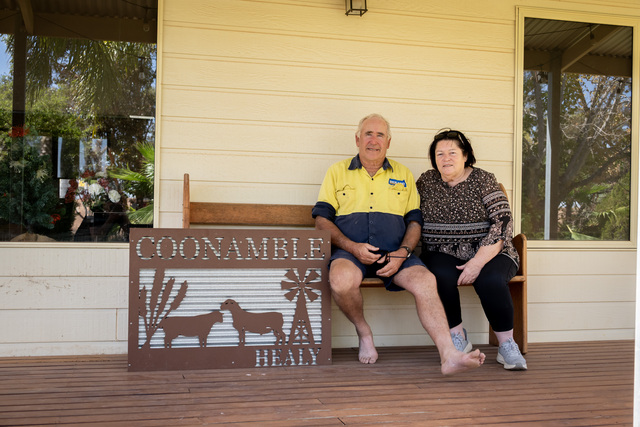
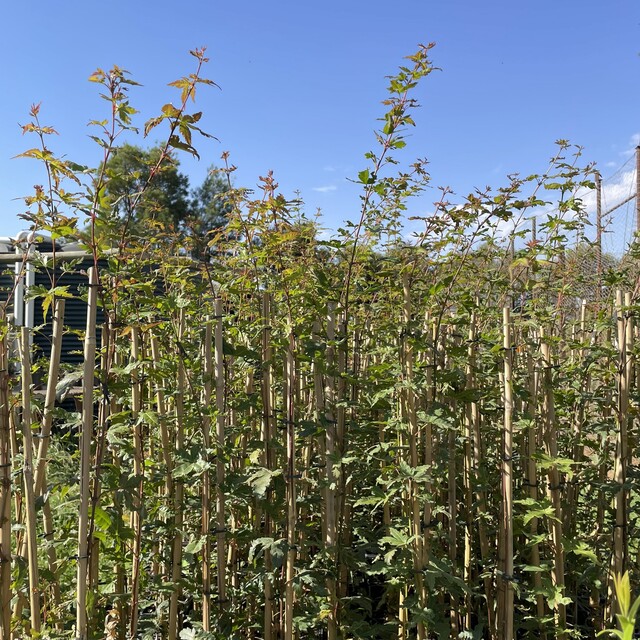
The new almond trees on the WOR plot at Neale and Deb Bennett’s Merbein property are only 18 months old, but researchers from the South Australian Research and Development Institute (SARDI) are keeping a close eye on the trial site to see if the Californian WOR results can be replicated in Australian conditions.
Dr Holtz’s oldest WOR trial is 23 years old and significant increases in soil carbon and soil organic matter are still being observed.
In Australia, 40 per cent of the almond orchards are 20 years of age or older, so many growers will need to consider whether they redevelop in the next five to 10 years.
WOR is more expensive than the conventional practice of setting fire to piles of old trees but the environmental benefits are hard to ignore.
More Australian growers could be enticed to use WOR if there were government incentives and this is something the Almond Board of Australia is eager to explore with state and federal agencies.
The practice is being widely used in California and the San Joaquin Valley Air Pollution Control Board offers subsidies to growers who use alternatives to burning.
Funding is also available for companies to purchase the equipment required to recycle orchards.
Since the inception of the program, alternative orchard and vineyard removal practices have been used on more than 162,00 acres of farmland.
Since 2018, $185 million in grants has been allocated and it isn’t just the almond industry that’s benefiting.
Grape, walnut, citrus, plum, peach, cherry, nectarine, olive and apricot growers have obtained incentives through the San Joaquin Valley Air Pollution Control Board.
There are no funding subsidies available in Australia but they could be proposed as an increasing amount of public funding is devoted to facilitating more sustainable production practices.