MILDURA-BASED peak industry body Citrus Australia has joined a nationwide agricultural backlash, and is urging the Federal Government to repeal its proposed Biosecurity Protection Levy.
Announced in Canberra’s May budget, the levy will apply to Australian producers of agricultural, forestry and fishery products from July 1 next year.
It has been set at a rate equivalent to 10 per cent of the 2020/21 industry-led agricultural levies and is estimated to increase receipts by $153 million over three years.
More than $3.5 million worth of levies were collected from the Australian citrus industry over 2020/21.
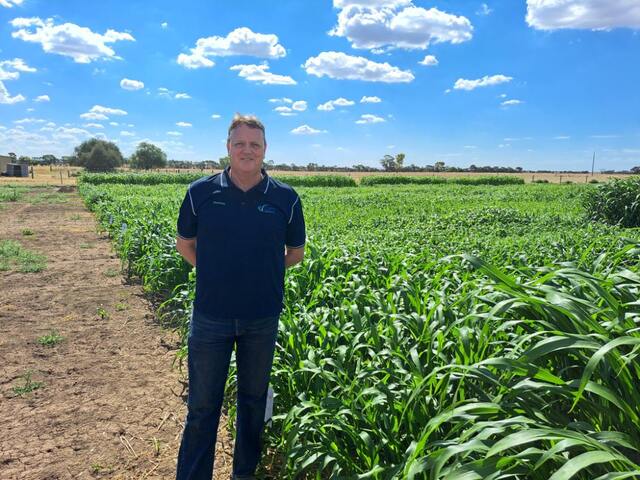
Citrus Australia chief executive officer Nathan Hancock says this money is used to fund important R&D projects, as well as industry marketing campaigns and training programs.
In its current form, Mr Hancock says the Biosecurity Protection Levy has the potential to undermine the statutory levy system.
“To call the Biosecurity Protection Levy a levy as it is proposed is a misnomer – it is simply a grower-funded tax on food security,” he says.
“The statutory levy system has been effective in investing grower money – and, where applicable, taxpayers’ money – in research and development, marketing and biosecurity for decades.
“Through peak industry bodies, industry is involved from the inception of each levy; it has a say in the amount the industry is levied and how the funds are invested.
“The proposed Biosecurity Protection Levy has none of these hallmarks.”
Mr Hancock says Citrus Australia has not been involved in consultation on the new levy.
He says he, along with the leaders of other plant industry associations, was stunned when the new levy was announced.
“It’s perplexing that a material figure of a 10 per cent equivalent tax could be arrived upon prior to consultation with industry,” Mr Hancock says.
“What the citrus industry, or any other levied industry, pays in these statutory levies is in no way aligned with the investment of our biosecurity activity, nor our exposure to biosecurity incursion.
“It is therefore misguided to use statutory levy contributions as the base for calculating a dedicated biosecurity levy for agriculture.”
Mr Hancock also called into question the levy’s ability to change the trajectory on biosecurity in Australia.
Funds collected under the Biosecurity Protection Levy will filter into the Department of Agriculture, Fisheries and Forestry’s consolidated revenue stream. Citrus Australia is concerned this money will be used to fill funding gaps in other areas of the department, rather than putting boots on the ground.
“We ask the revenue brought in by any sustainable funding measures the Government implements is hypothecated to ensure the funding is spent on biosecurity and not on plugging gaps in the department’s budget,” Mr Hancock says.
The citrus industry is worth $900 million to the Australian economy annually, with much of this money spent in rural and regional communities.
He says a biosecurity breach remains the industry’s greatest threat.
“It could wipe out citrus production in parts or all of Australia. Biosecurity prevention and preparedness is therefore a matter of utmost importance to Citrus Australia and our members.
“While we welcome the Albanese Government’s commitment to increasing biosecurity funding, doing so through an erroneous tax on hard-working growers is not the answer.
“I have written to Agriculture Minister Murray Watt, asking his government abolishes this levy before it comes into force next year.”