FORECASTERS say the gross value of Australia’s farmed goods should top $90 billion this year, boosted by reforms, productivity investments, and smart production and export decisions.
A March 2023 insights report from the Australian Bureau of Agricultural and Resource Economics and Sciences, shows the agriculture industry continues to perform strongly, despite warnings of a downturn.
Data reveals that broadacre farms continue to sit well above historical income benchmarks, achieving record highs for the past two years.
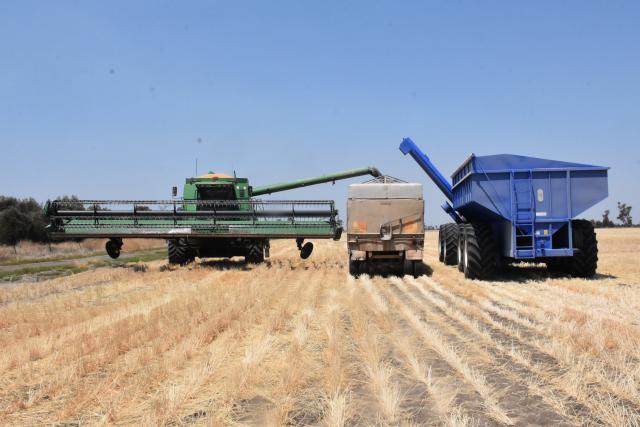
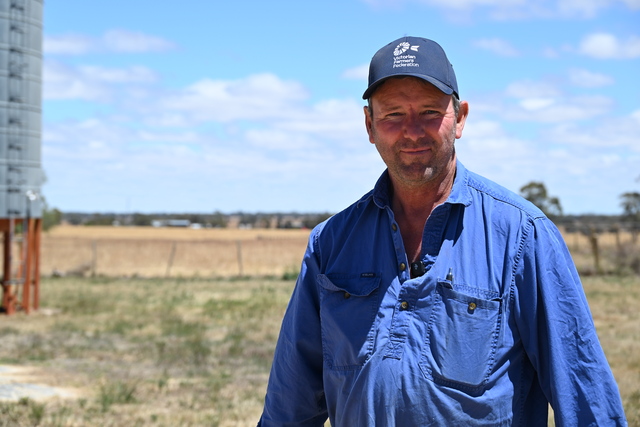
Carwarp broadacre farmer Clay Gowers said the recent success of broadacre farming is linked to exciting new technologies, and smart agronomy decisions.
“Input prices are going up, and it does put a lot of pressure on maximising yields,” Mr Gowers said.
“Crops that were quite profitable years ago, we’d go broke very quickly if we were growing that amount of yield.
“It does force an era of farming that’s more productive, and using different genetics to grow more yield off less rainfall.”
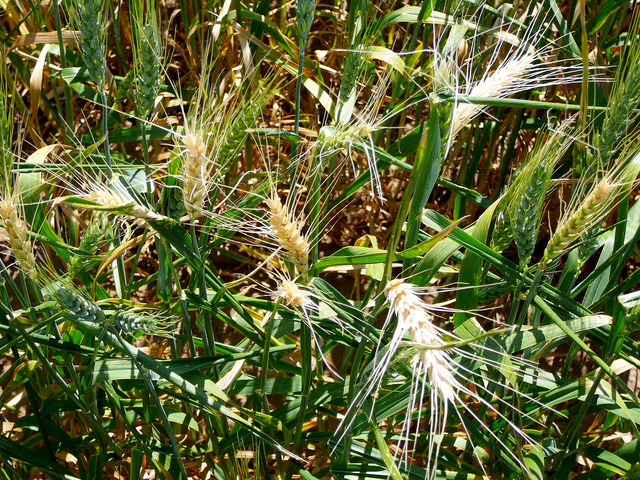
To brace for variable weather conditions, Mr Gowers has stuck to an agronomy plan of rotating cereal and legume crops on his farm.
By having a 50 per cent mix of wheat and barley and a 50 per cent mix of lentils, lupins, field peas and vetch, he’s maintaining his property’s soil and root systems for future years.
“It’s a bigger picture than just ‘get the rain get the crop’ – there’s another aspect which is the health and the rotation you’ve had as well,” Mr Gowers said.
“If your actual soil and root systems are not healthy, it wouldn’t matter how much it rained.”
The ABARES report states that grains, oilseeds and pulses have been agriculture’s fastest-growing export segment, growing an average annual rate of 10 per cent in value terms between 2002-23 and 2021-22.
Productivity growth is attributed to both reduced input use, and to a lesser extent, increased outputs.
Mr Gowers said the biggest opportunity for reduced inputs lies in adopting new AI-equipped chemical sprayers, which will spot-spray weeds instead of blanket spraying them.
“It’s probably quite a significant jump from our current sprayers, that over the long term would probably save a lot of input from you not having to spray 100 per cent of your paddock,” he said.
“You might spray 10 to 20 per cent (of your paddock) instead of 100 per cent. that difference in savings over one or two sprays could pay for your payment of the sprayer for that year.
“In five to six years, you’d have it paid off in chemical savings alone.”