Fill the summer feed gap

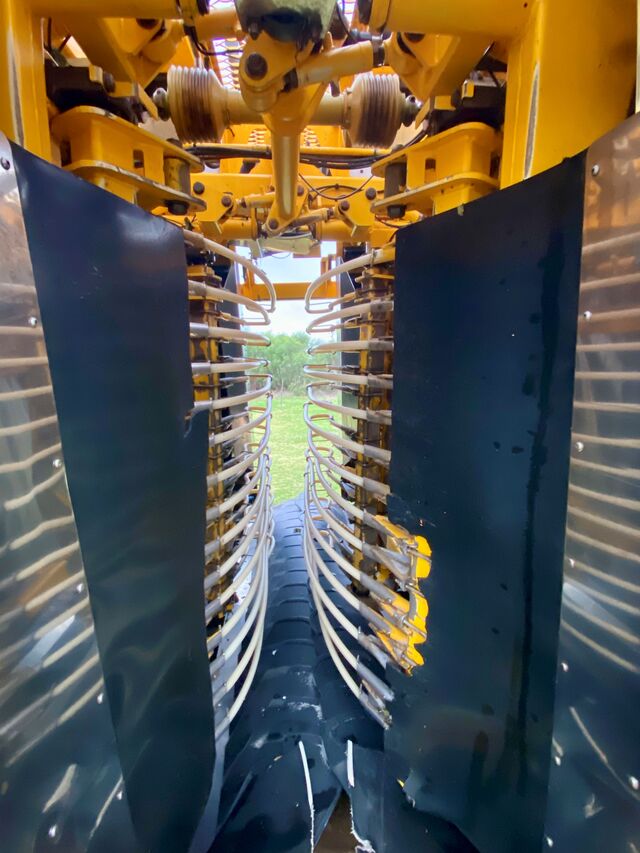
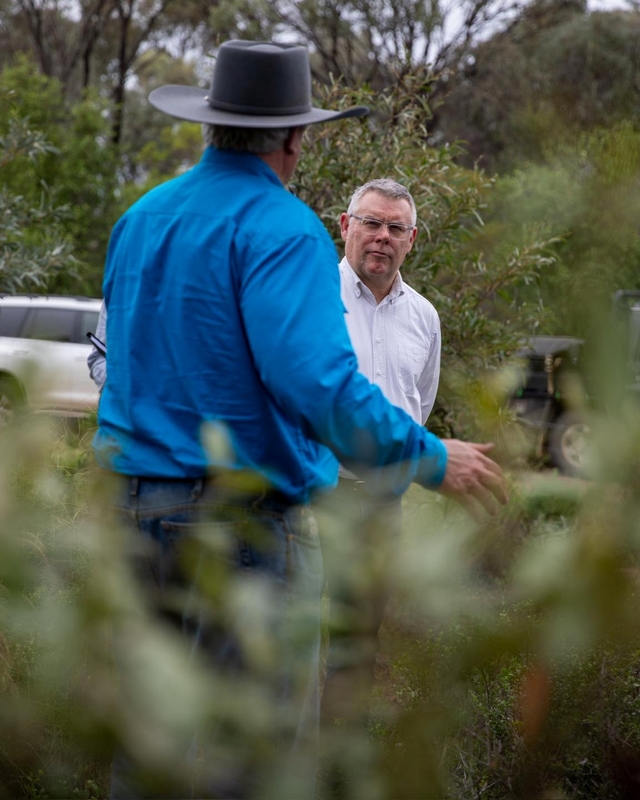
ELDERS Ouyen livestock manager Kieran O’Shannessy says modern hi-tech farm machinery has changed the landscape for traditional stubbles-grazing programs through the Mallee.

Mr O’Shannessy said the machinery did such a good job, it didn’t leave anywhere near the feed which farmers could count on as part of their summer feed bank not that many years ago.

However, he said the feed situation in his patch was “not too bad” and he hoped that would be improved if the promised rain managed to fall this week.

“We have only had about 240mm for the year – and that’s about 90mm short of an average season around here,” Mr O’Shannessy said earlier in the week.

“But cropping yields have still been pretty good because we might have been short on rain, but it just kept falling at the right time.”

While grazing stubbles did provide a valuable tool to fill the summer feed gap, the big question was how do we know what value is in a stubble and when do we need to supplement?

The majority of feed value in stubbles comes from two main areas: grain residues and summer growth (depending on the plant).

Standing straw and trash left behind provides very little feed value, due to the low digestibility and energy content.

Stubbles are also notorious for being imbalanced in their nutrient profile, so matching your stubble with the appropriate supplement (grain, pellet, loose lick or block) is a great way to improve the performance of your stock on the same amount of feed while avoiding major health challenges such as acidosis, urinary calculi or a calcium deficiency.

Mr O’Shannessy said decisions on when to pull stock out of stubbles would depend on the class of stock and what level of performance was required.

He said the following guidelines provided some rough “rules of thumb” for knowing when to start supplementing or when to remove stock:

• Lambs generally need grain residues of more than 100kg per hectare to continue growing.

• Dry stock will lose weight if there is less than 40kg per hectare of grain or green material.

• To minimise soil erosion, do not graze once stubble material is 1500kg dry matter per hectare or below (about 50 to 70 per cent ground cover).

“Finally, do not forget to ensure animals are recently vaccinated before going onto stubbles, to avoid pulpy kidney losses, and also consider testing and drench treatment for worms if necessary,” Mr O’Shannessy said.

“Each year, region or paddock/mob will potentially need a different plan.

“We have had people buying in young lambs and sheep with a bit of weight to carry through to the autumn, but restocker demand has been down about 50 per cent on this time last year.”

Sheep sales at Elders Ouyen won’t resume until February 1 next year.

Digital Editions


  • Collection under the hammer

    Collection under the hammer

    AN eclectic curation of vintage and antique Australian pastoral machinery and memorabilia will go to auction on 1 February. Yvon Smythe and her late partner,…

More News

  • Calls flow for royal commission

    Calls flow for royal commission

    Purchase this photo from Pic Store: 524159 AUSTRALIA needs a royal commission into water management in 2026, according to Murray MP Helen Dalton, who says politicians are “destroying” the nation’s…

  • Big skies and farmscapes

    Big skies and farmscapes

    Purchase this photo from Pic Store: 524028 THE Gallery Balranald is currently showcasing the work of professional artist Graham Hearn. His latest exhibition, Big Skies and Farmscapes, reflects the vast scale and…

  • Difficult outlook for grape growers

    Difficult outlook for grape growers

    Murray Valley Winegrowers has acknowledged the findings of Wine Australia’s Australian Wine Production, Sales and Inventory Report 2025, which confirms the challenging market conditions facing growers. The newly released report…

  • Benham appointed to new ag role

    Benham appointed to new ag role

    The Nationals member for Mildura, Jade Benham, has been appointed Shadow Assistant Minister for Agriculture and Regional Development, as part of Jess Wilson’s new Shadow Cabinet announcement. Ms Benham said…

  • Connecting urban and rural Australia

    Connecting urban and rural Australia

    HAMISH McIntyre grew up on the land in Queensland, learning the rhythms of farming from his family. Today, he runs a sprawling family business across the St George, Dirranbandi, Quilpie,…

  • Farmers warned to stay alert

    Farmers warned to stay alert

    A RUN of booming haystack and shed fires across regional Victoria has sparked fresh warnings for farmers as hay season rolls into full swing. Fire crews in the west and…

  • Bumper harvest fuels Cobram Estate’s growth

    Bumper harvest fuels Cobram Estate’s growth

    COBRAM Estate Olives has reported one of its strongest years on record, with an exceptional “on-year’’ harvest in Australia driving improved earnings, higher production volumes and a confident outlook from…

  • Select Harvests’ cracking pace

    Select Harvests’ cracking pace

    SELECT Harvests Limited has released its 2025 business update, reporting a final almond crop estimate of 24,700 tonnes, slightly below the midpoint of its earlier forecast. The company says the…

  • Further water buybacks anger farming industry

    Further water buybacks anger farming industry

    FARMERS, politicians and advocacy bodies are warning further water buybacks announced last week will gut regional towns, drive up food prices and cripple Australia’s dairy heartland. Federal Water Minister Murray…

  • Farmer takes action in feral pig fight

    Farmer takes action in feral pig fight

    IN THE heart of south-western New South Wales, sheep and cattle farmer Colin McCrabb is waging a quiet war against a destructive and elusive enemy -feral pigs. Operating a 6800-hectare…